


How community savings groups in Kakamega are changing lives beyond day-to-day survival
August 18, 2026
How strategic funding strengthened NCDA and lifted a community
August 18, 2026Across the semi-arid stretches of Yatta and neighbouring Masinga in Machakos County, mango trees have long been part of the landscape. But for decades, they offered little more than seasonal hope. Farmers watched fruit rot on the ground or sold it cheaply to brokers who dictated prices and payment terms.
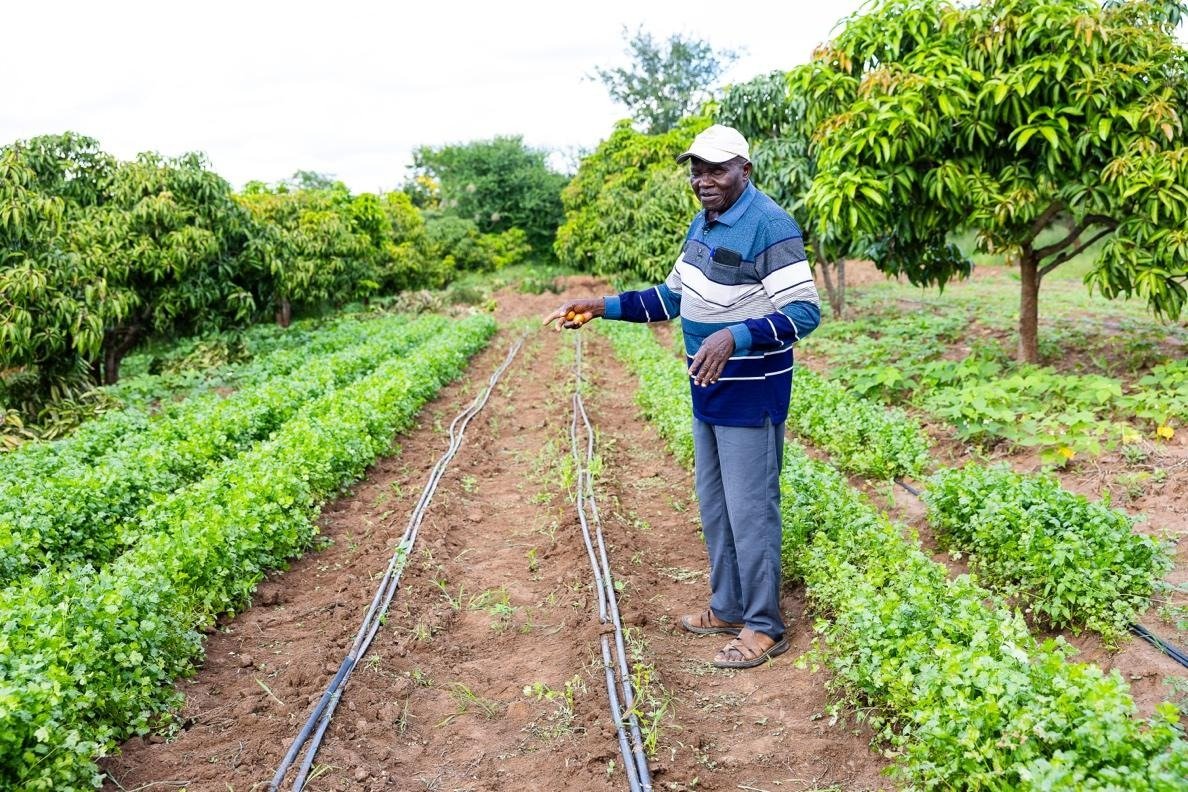
That reality shaped the early experiences of farmers like Alex Katiku, who has grown mangoes since the 1970s.
“Back then, mango farming was something you did almost out of habit, not because it could sustain you. There was no market, and most of the fruit would go to waste because buyers were unreliable or simply not there. Brokers would come and offer prices that could not even cover what you had spent on the farm. It was frustrating to the point where we wanted to cut the trees down.”
The frustration was widespread. Farmers worked individually, each negotiating alone in a market they did not control. Prices fluctuated sharply, and losses were common during peak harvest seasons.
The move to work together
The turning point began in 2017 when 20 farmers came together, deciding to shift from individual struggle to collective action.
This marked the beginning of the Yatta Multipurpose Farmers Cooperative Society (YMFCS), which today works with more than 900 farmers across 11 clusters in Yatta and Masinga areas of Machakos County.
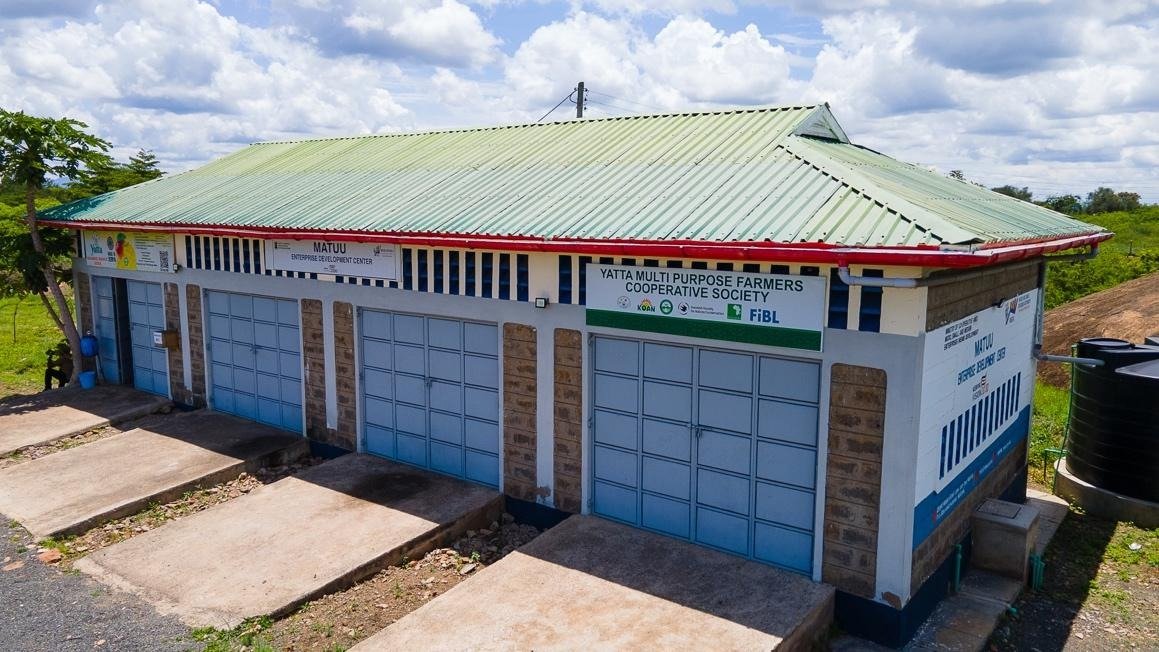
The formation of the cooperative helped farmers aggregate their produce, improving the quality of produce and negotiating as a group.
Raphael Muli, Chairperson of the cooperative, says the motivation was survival rather than strategy.
“At the beginning, what brought us together was not complexity but necessity. Farmers were losing a lot of income because mangoes were ripening at the same time, and prices would fall sharply. We realised very quickly that working individually was not sustainable, so the first step was simply to agree that we would start selling together and learn as we went along.”
With organisation came structure. Farmers were trained on pruning, farm management, and quality control, gradually shifting mango farming from a seasonal activity into a more structured business.
The clusters helped coordinate production across a wide area of nearly 60 kilometres, allowing the cooperative to function as one unit. Over time, this strengthened their position in the market and reduced post-harvest losses.
However, even with better coordination, one persistent challenge remained: oversupply during peak harvest seasons. The solution eventually came through value addition.
With support from the Machakos County Government under the Agricultural Sector Development Support Programme (ASDSP), the cooperative acquired processing equipment to convert fresh mangoes into juice, purée, or jam. It marked a major shift, helping farmers retain value beyond the short harvest window. But scaling up required more than equipment alone.
KCDF input through GCDA
It is within this gap that KCDF, working through Genesis Community Development Assistance (also known as Genesis), entered the picture.
Founded in the mid-1990s out of what its leadership describes as “Operation Back Home”, Genesis originally focused on strengthening community-based groups into structured, legally recognised organisations. Over time, it shifted from donor-driven programming to a more community-led model, working with self-help groups and cooperatives as implementing partners rather than recipients.
“Genesis doesn’t come with ready-made solutions, but we work with communities to identify their priorities and organise themselves around those needs,” said Patrick Muli, Genesis programmes coordinator.
In Yatta, Genesis worked through existing farmer organisation structures, identifying YMFCS as a strong but under-resourced cooperative within its network of community groups.
Its role was not implementation, but facilitation, supporting proposal development, structuring funding applications, and linking the cooperative to KCDF through the Fundbuilders Matching Grant project.
The KCDF approach
KCDF’s approach differs from traditional donor funding. Through its Matching Grant project, communities are required to contribute 50 per cent of project costs, while KCDF matches the remaining 50 per cent. This model is designed to build ownership from the ground up.
Under Pamoja for Change (P4C), KCDF has partnered with over 50 organisations across more than 20 counties, supporting more than 80 projects with a combined investment of about $161 million, half of which is mobilised by communities.
Caesar Ngule, Programmes Director at KCDF, says this approach changes how development is experienced.
“The intention is not to come in and do things for communities, but to work with them in a way that strengthens their own capacity to act. When people contribute their own resources, whether money, time, or materials, they begin to take ownership of the process and the outcome. That ownership is what sustains the work even after external support reduces,” he explains.
To support this, Patrick underwent training through the Change the Game Academy, a six-month programme focused on local fundraising, governance, and accountability, helping YMFCS raise their part of the resources required under this model.
Emily Omudho, KCDF Programmes Team Leader, says the goal of this capacity support to communities is long-term capacity building.
“Communities often underestimate what they can do until they are given the tools and support to try. Through training, coaching, and exposure to what others have achieved, they begin to see that it is possible to mobilise resources locally and implement projects successfully. That shift in mindset is what allows them to take on bigger initiatives over time,” she said.
“By the time communities complete one project, they have already gained the skills, networks, and confidence to mobilise resources again. That is what allows them to continue growing even without direct support,” she added.
For YMFCS, their project proposal totalled KSh 4 million, with farmers contributing more than half through labour, materials, and local mobilisation. KCDF provided KSh 2 million in phased funding.
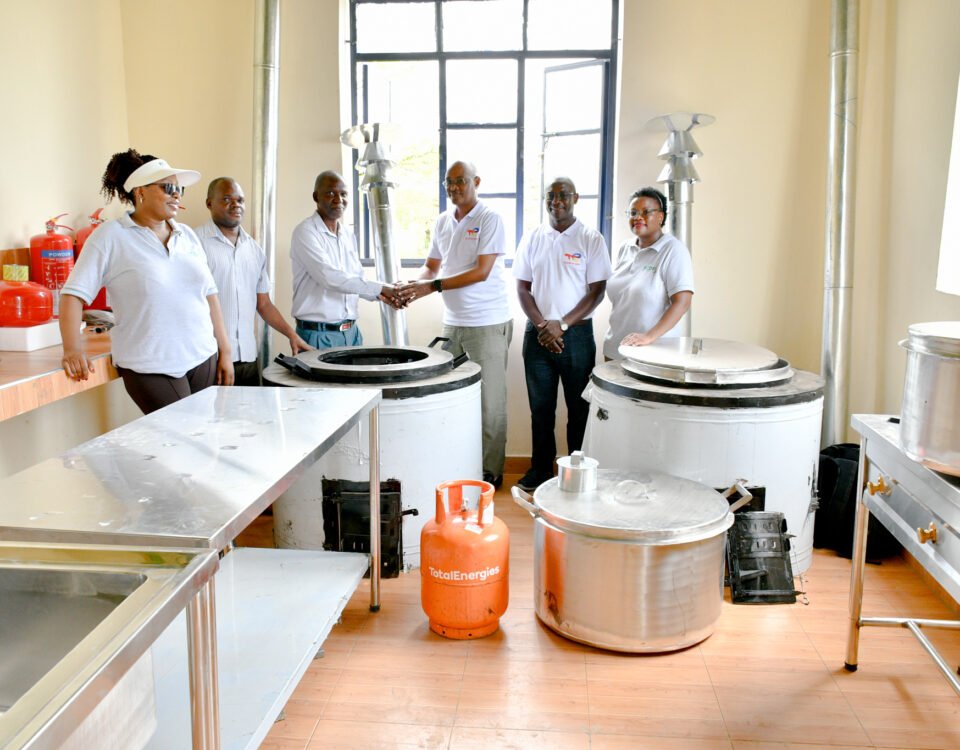
The funds went into water tanks, packaging crates, bottles, and upgrades to the processing facility, including storage and waste management systems.
Today, the processing facility has become a central part of the local economy.
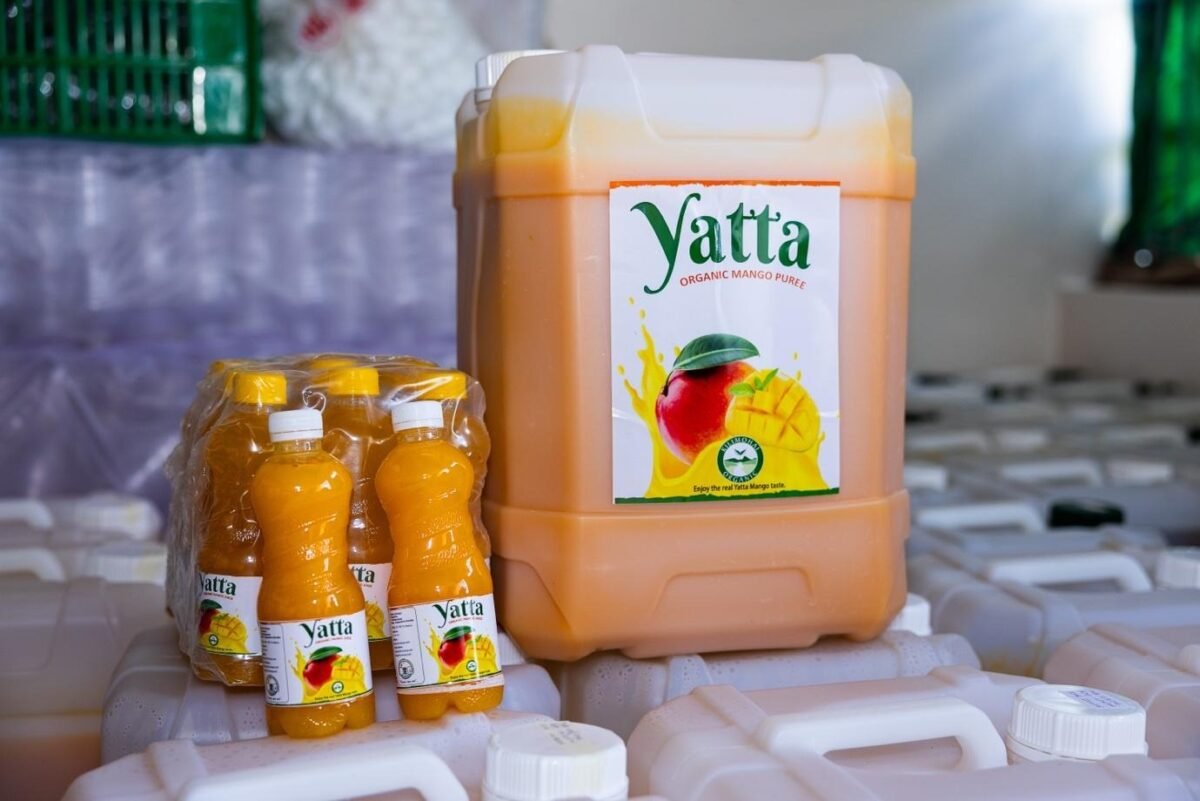
At full capacity, it processes up to 600 litres of mango purée and 1,000 litres of juice daily. Products are branded in 1 litre, 500 ml, 300 ml, and 200 ml bottles, priced at KES 140, KES 70, KES 40, and KES 20, respectively.
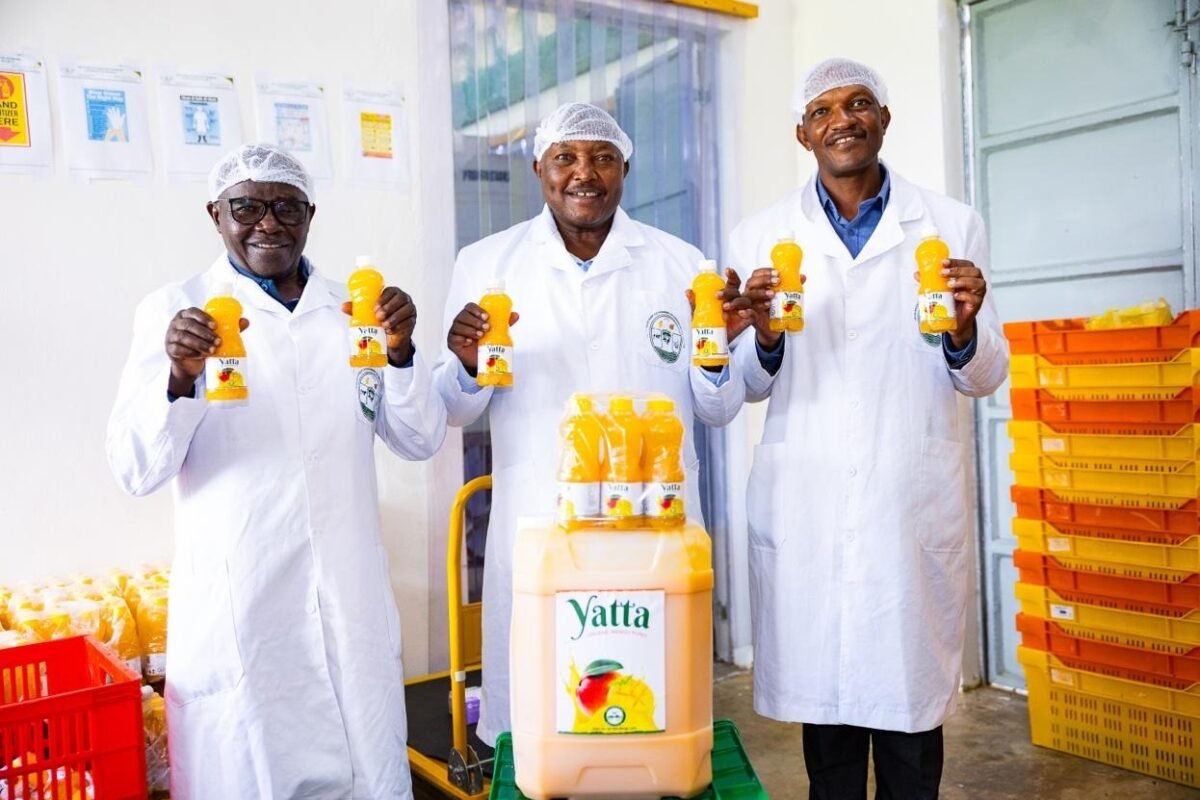
The cooperative has built relationships with processors and bulk buyers who purchase mango pulp and purée. Some processors also buy from the cooperative and further process the pulp into other products.
The factory has also enabled employment, now operating with five permanent staff and casual labour during peak seasons.
Among the workers is Rogers Kiprono, who moved from the Rift Valley in search of work.
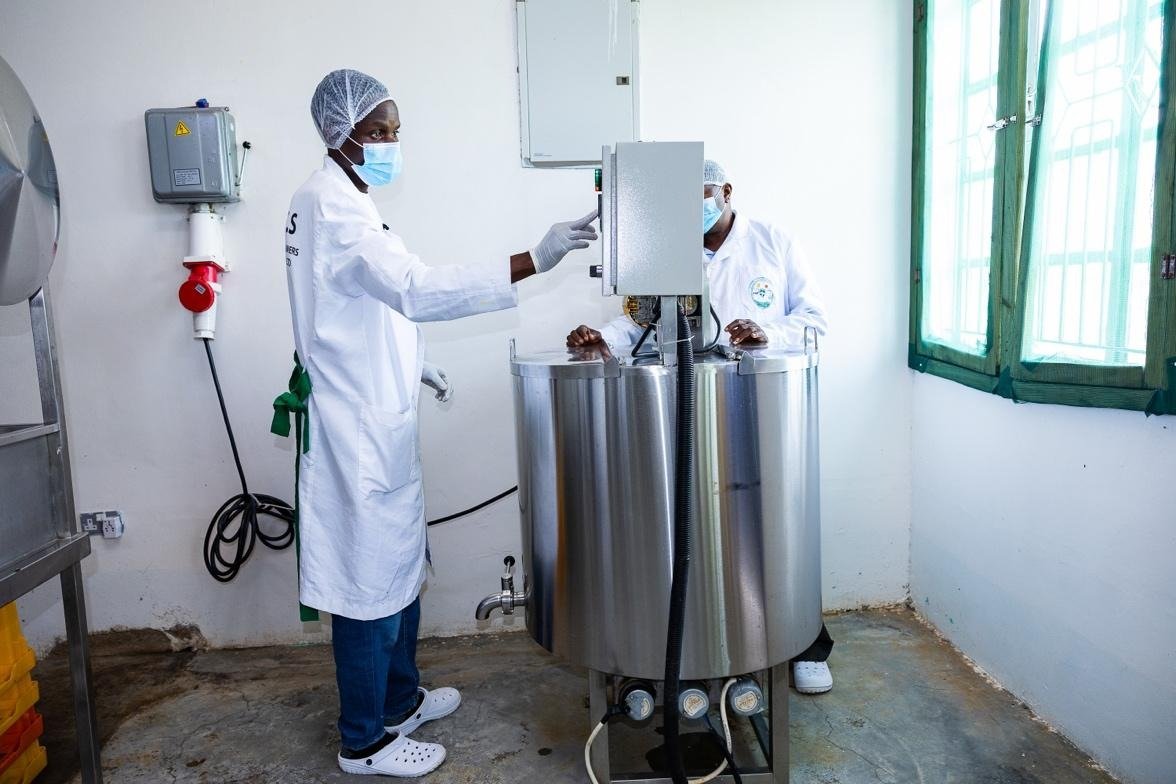
“This processing factory has allowed me to get employed, and I am grateful. The volume of mangoes coming in is very high, and the factory plays an important role in making sure that not all of it goes to waste. The process is quite structured, with quality control measures in place,” he said.
According to the Patrick Muli, the factory has also grown through several partnerships beyond KCDF that have strengthened training, market access, and technical support.
These include World Vision, which supported early capacity building; Micro Enterprises Support Programme Trust (MESPT), which has improved marketing and market linkages, including international exposure; the Kenya Organic Agriculture Network (KOAN), which has supported organic farming training and market readiness; and CABI, which has strengthened farm management through technical training for service providers.
Real changes for the farmers
For farmers, the changes are visible in both production and income stability. Many have expanded orchards, invested in irrigation, and diversified crops.
For Katiku, the shift is reflected in both output and earnings from his orchard of about 200 mango trees.
“At one point, I harvested about 4,000 kilograms of mangoes, which I sold at around 18 shillings per kilogram, earning approximately 72,000 shillings.”
He adds: “In another instance, I sold about 300 mangoes and earned around 6,000 shillings. I have also made over 20,000 shillings from other market sales, including supplying produce to Nairobi markets.”
The income has supported both farm expansion and household needs.
“I invested in an irrigation system, paid my children’s university fees, and it made me independent.”
Beyond individual gains, he notes wider community benefits.
“I have hired my neighbour to help me on the farm. She has three children, and through this work, she has been able to take all of them to high school,” he added.
How women are benefiting
For Kanini Ismael, the cooperative has changed how she accesses markets and handles post-harvest logistics.
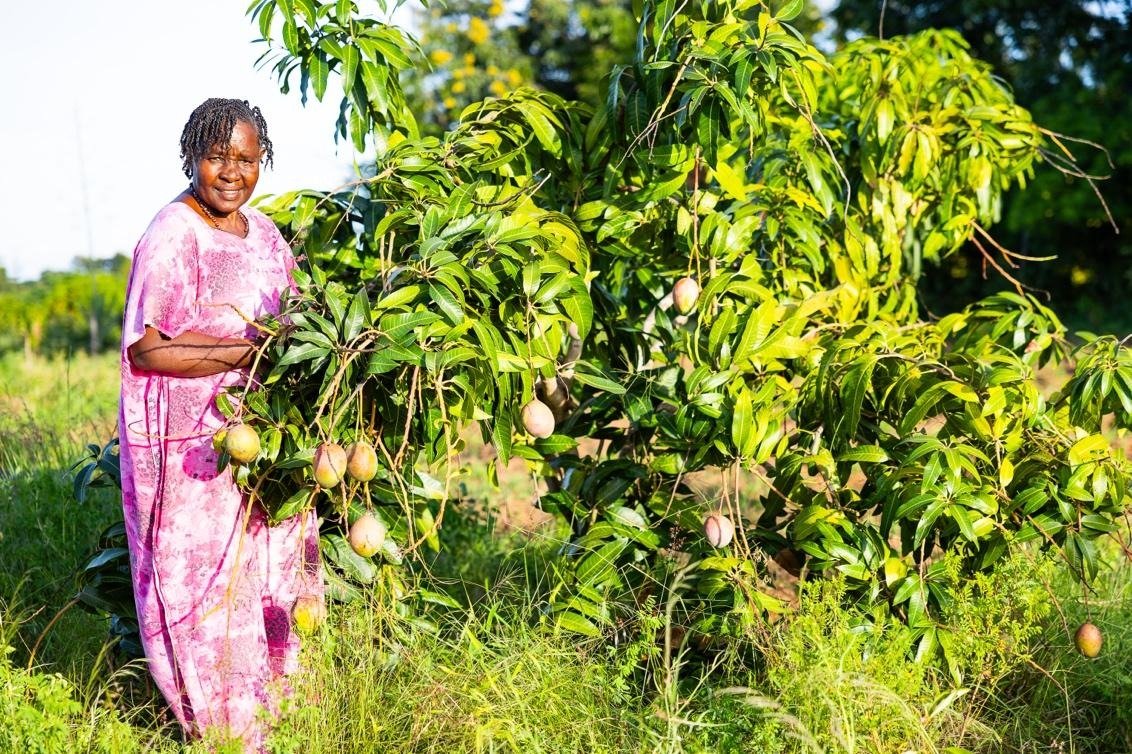
“As a farmer, especially as a woman, this was very challenging because you had to struggle on your own to find a market. I couldn’t even handle the heavy work of taking the produce to customers and had to pay someone for that,” she said.
Now, the cooperative handles collection and payments are made directly within 24 hours via mobile transfer. She also highlights training support.
“We also received training on proper farming practices, including how to grow and handle mangoes to improve quality. They organised seminars and brought experts to teach us, which helped us gain knowledge we never had before. Because of this support, our farming became more productive and more profitable.”
For her, the transformation goes beyond income.
“I have been empowered as a woman looking after my own household, supported by my own earned money. I did not have any way of earning before, but now everything has changed. Even though there are still challenges, life has improved because we have knowledge, support, and a better way of growing as a community.”
The gaps
Despite progress, challenges remain. Farmers are producing more than the factory can fully process, especially during peak seasons. For Samuel Ng’aa, who now manages about 300 mango trees, the gap is becoming clearer.
“Before joining the cooperative, I had about 200 mango trees, and things were not easy,” he says.
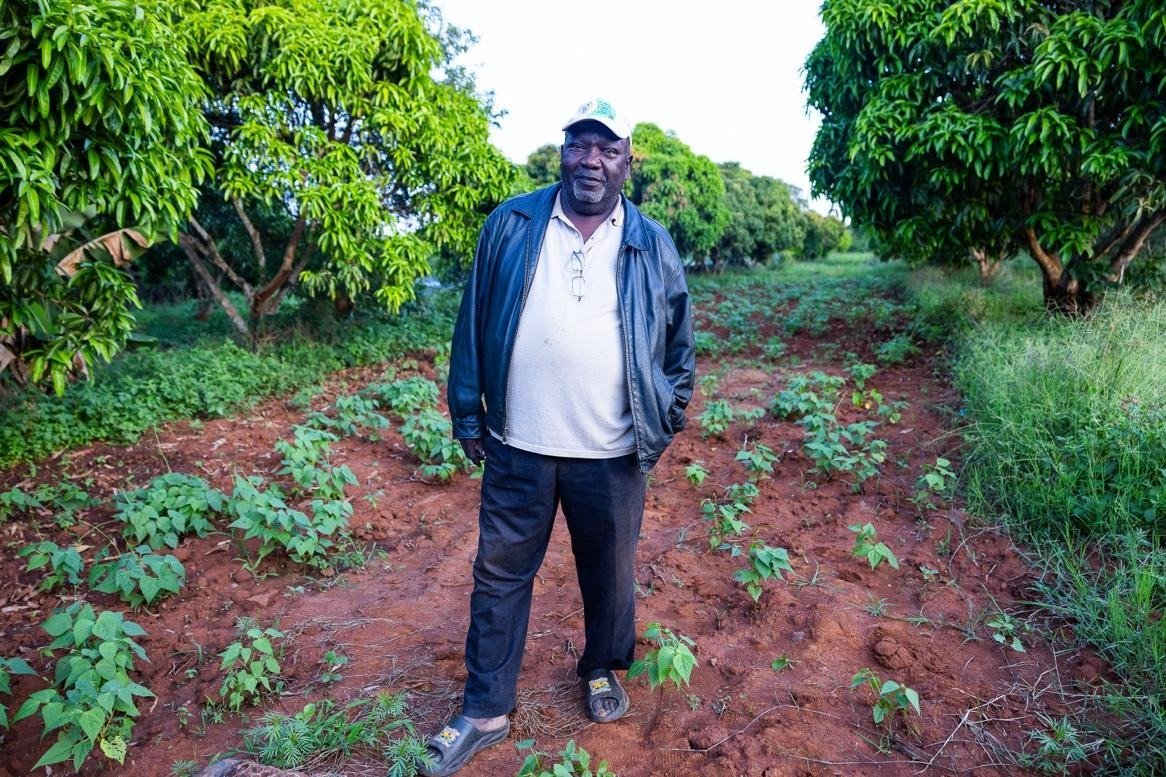
“With the training and market access, I have now increased to around 300 trees, and production has improved.”
He credits KCDF’s support for strengthening the cooperative.
“The grants helped improve the factory and how things are organised. But now the challenge is capacity. We are producing more than the machines can handle, so we need bigger processing equipment.”
Transport and coordination across farming clusters also strain the system during peak harvest periods. Dr Raphael says the focus now is expansion.
“We have seen what is possible when farmers work together and invest in their systems. The next step is to improve capacity both in processing and in accessing markets so that farmers can fully benefit from their production. Growth has to be matched with the right support systems,” he says.
Thinking of the future
Perhaps the most visible change is not in infrastructure, but in mindset. At the beginning, many farmers doubted whether local fundraising would work. Development, for many, had always meant waiting for external support.
But repeated participation in the KCDF model, as well as overall community coming together, has started to shift that thinking. That shift, small but steady, is what KCDF considers the foundation of sustainability.
“When communities are part of the investment, whether through money, labour, or other resources, the relationship with the project changes completely,” says Ngule.
“It is no longer something that has been brought to them; it becomes something they have built themselves. That sense of ownership is what drives sustainability, because people are more willing to protect, improve, and expand something they have contributed to.”
Patrick says the journey has changed how farmers see both their challenges and their possibilities.
“We have come from a place where farmers were working individually without markets and without structure,” he says.
“Now we are organised, we are producing, and we are processing. Farmers are beginning to see real benefits from their work. We still have challenges, but we have also learned that when we come together, we are able to find solutions. That is what gives us confidence moving forward. And we thank KCDF for helping us see the value of contributing to our own growth.”