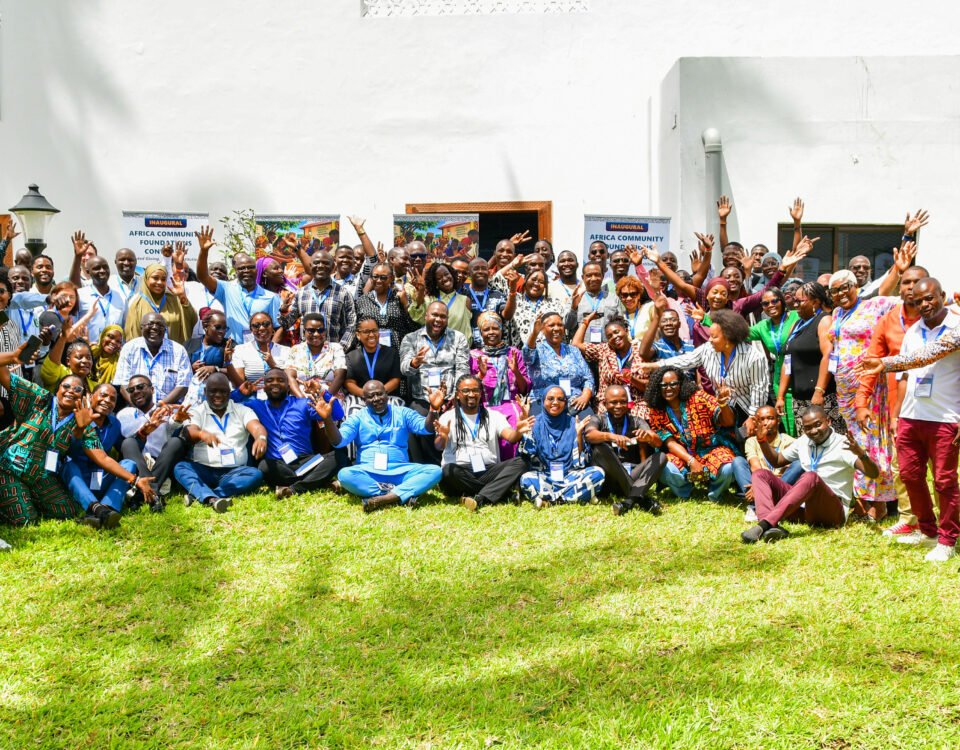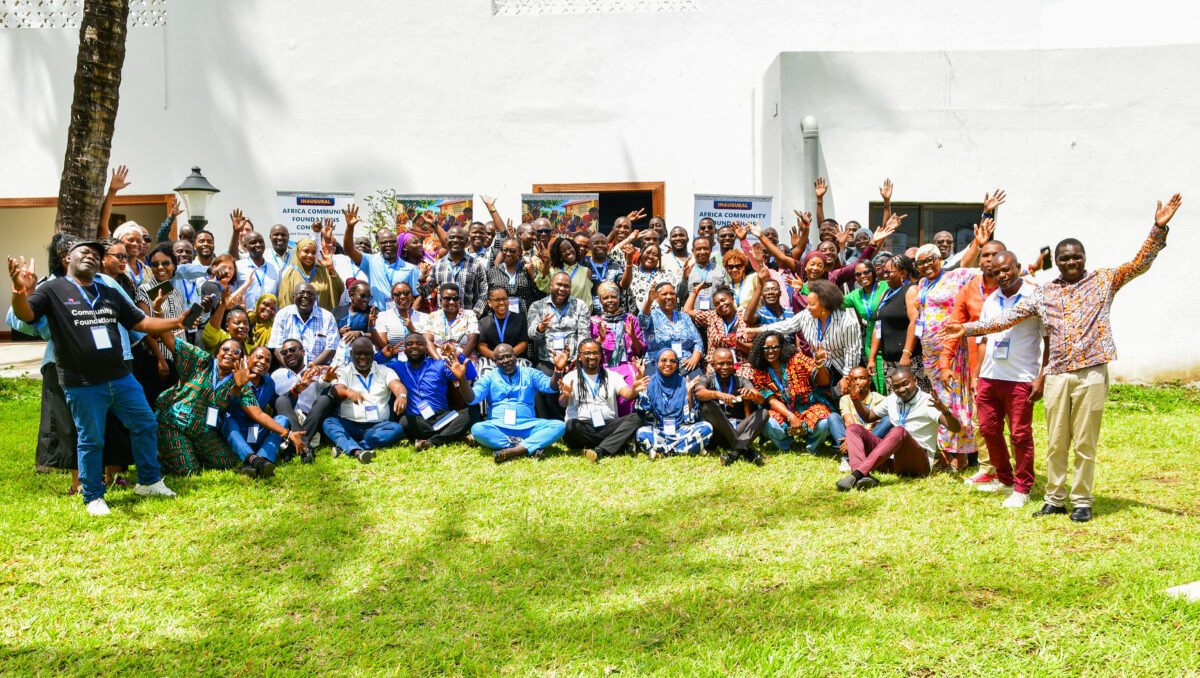



KCDF Entities Retreat 2026: Strengthening Governance, Deepening Impact
September 3, 2026
Breaking barriers, building more than walls: The story of Sheril Atieno, a mason from Siaya County
September 4, 2026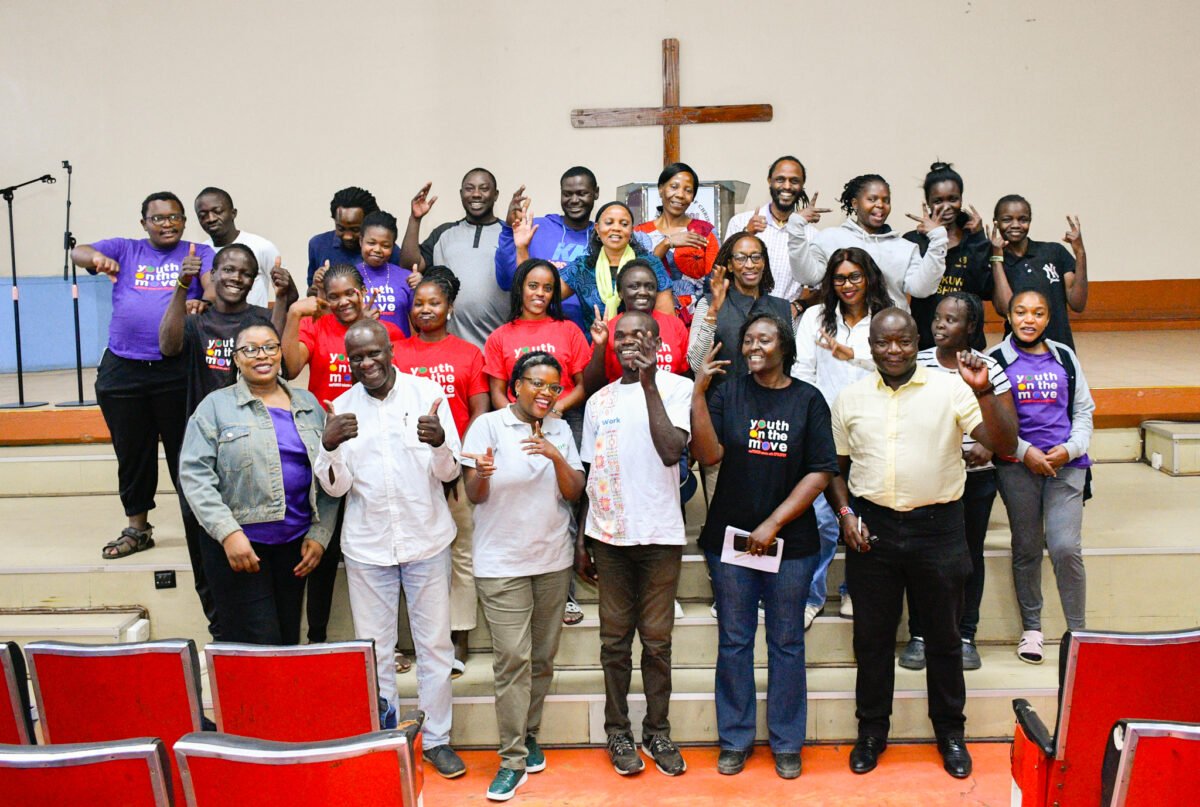
Dennis Mwangi was diagnosed with epilepsy at the age of 12. As he grew into adulthood, he struggled to accept his condition. He turned to drugs and alcohol, which further affected his well-being, while misconceptions about the cause of his epilepsy within his family added to the challenges he faced.
Joining Youth on the Move, a community-led initiative based in Nairobi, supported by KCDF through the Matching Grant programme, marked a turning point in his life. Through one-on-one counselling and the programme’s personal development sessions, Dennis gradually came to understand and accept his condition. He stopped abusing drugs and alcohol and began rebuilding his life.
He had previously started a machine repair course but did not complete it. Through Youth on the Move, he had the opportunity to practice his skills alongside the organisation’s machine repair technician. Today, Dennis has started his own business in Umoja Estate, Nairobi, where he sells phone accessories and repairs phones, computers, and photocopy machines. Although he continues to take epilepsy medication, he reports that his seizures have improved, allowing him to focus on his business.
Reflecting on his journey, Dennis says:
“Were it not for Youth on the Move, I don’t know where I would be by now. Most likely dead or in a rehabilitation centre.”
For many young people living with epilepsy, like Dennis, the challenges can extend far beyond managing seizures. Stigma, low self-esteem, limited economic opportunities and a lack of understanding about the condition can make it difficult to participate fully in society and build independent livelihoods.
Based in Lang’ata, Nairobi, Youth on the Move is helping young people overcome some of these barriers through a community-led initiative supported through KCDF’s Matching Grant programme. The initiative was designed around a simple idea: young people living with epilepsy can lead independent and productive lives when they have access to the right knowledge, support and opportunities.
Building confidence, skills and livelihoods
Through the project, 20 young people aged between 18 and 35 living with epilepsy were enrolled in personal development, psychosocial support, business skills and entrepreneurship training. The training went beyond the classroom. Participants learned about epilepsy, their rights and advocacy, personal development, teamwork and leadership, while also gaining practical skills in business management, financial management, branding, marketing, networking and computer literacy.
The programme also created safe spaces where participants could interact, share their experiences and build confidence. Through Movers Meetings, Sikika Talks, yoga sessions, peer mentorship, and community outreach, the young people supported one another while developing their voices and leadership skills.
The results have been significant. According to Youth on the Move, 60% of the trainees have started small businesses or enrolled in skills and professional training. Eight young people have established businesses, while others have pursued training in areas such as housekeeping, beauty, clinical medicine and community development.
Two participants also qualified for the Light for the World Entrepreneurship Grow programme and received KES 77,400 in business support, which they used to increase their stock. Two others qualified for the government’s NYOTA programme.
The young people have also become advocates for epilepsy awareness. They have participated in weekly community sensitisation activities at St John Ambulance and Baraka Health Net in Mathare, sharing what they have learned with patients and members of the public.
Their advocacy has even reached mainstream media. Two participants, Samuel and Stephanie, featured on a KTN health talk, a national TV station in Kenya, during the 2025 Epilepsy Awareness Month.
Finding strength in each other
One of the most powerful outcomes of the project has been the change in confidence among participants.
Youth on the Move reports that participants maintained confidence and self-esteem levels of between 9 and 10 out of 10. The organisation attributes this to increased knowledge and opportunities for participants to take up leadership roles, share their experiences and mentor others.
The participants also worked together to create an advocacy song titled “Sote Twafanana”, meaning “we are all the same.” The song is intended to support epilepsy education and sensitisation through public forums, community radio and mainstream media.
When communities lead, change becomes possible
The progress made by Dennis and his peers demonstrates what can happen when communities are supported in identifying challenges and developing solutions that respond to their own realities.
Through the Matching Grant programme, KCDF supports community organisations in identifying issues affecting their communities, developing locally driven solutions, and mobilising resources to address them. KCDF then matches the resources raised locally on a 50:50 basis, enabling communities to strengthen and expand initiatives they have already identified as important.
For Youth on the Move, this support helped create an enabling environment where young people living with epilepsy could acquire knowledge, develop confidence, build livelihoods and become advocates for others facing similar challenges.
The project also demonstrates the value of investing in community-led solutions. Rather than prescribing solutions, the Pamoja4Change approach places communities at the centre of identifying their challenges and shaping the response, while KCDF’s matching support helps turn local commitment and resources into tangible action.
The journey is not over. Youth on the Move recommends continued investment in partnerships, community outreach, entrepreneurship and skills development, as well as additional training in first aid, emergency preparedness and seizure recognition.
With sustained support, the young people who once faced stigma and uncertainty can continue building businesses, pursuing careers and using their experiences to create greater understanding of epilepsy in their communities.
Their story is a reminder that when communities are trusted to lead and given the resources to act, change can begin from within.