



KCDF Newsletter, August 2026
August 13, 2026
A Juicy Turnaround; How collective action is transforming mango farming in Yatta
August 18, 2026In Nabakholo (Bunyala West) and parts of Mumias East in Kakamega County, women’s savings groups have become a key part of household financial life. Members pool small weekly contributions and rely on group loans to handle urgent needs and small business activities. These groups have helped families manage shocks and fill gaps in income, especially in households with irregular earnings.
But for many members, the challenge has been how to move beyond short-term borrowing to more stable, growing sources of income.
It is this gap between day-to-day coping and long-term economic growth that has set the stage for a partnership between Community Asset Building and Development Action (CABDA) and KCDF under the Pamoja for Change programme.
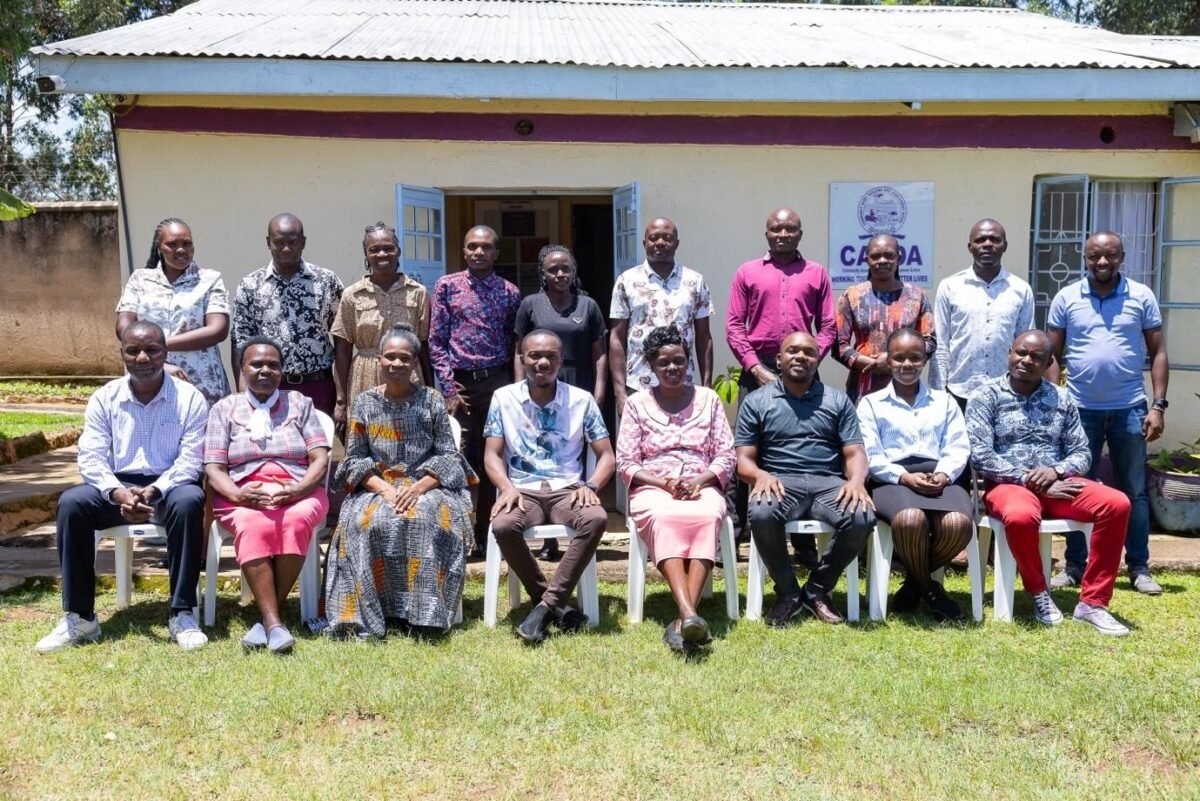
Working with What Communities Already Have
Ephy Imbali founded CABDA, a non-profit organisation, after years of working on development programmes in which she repeatedly observed the same challenge: projects often ended before communities had developed the capacity to sustain them independently.
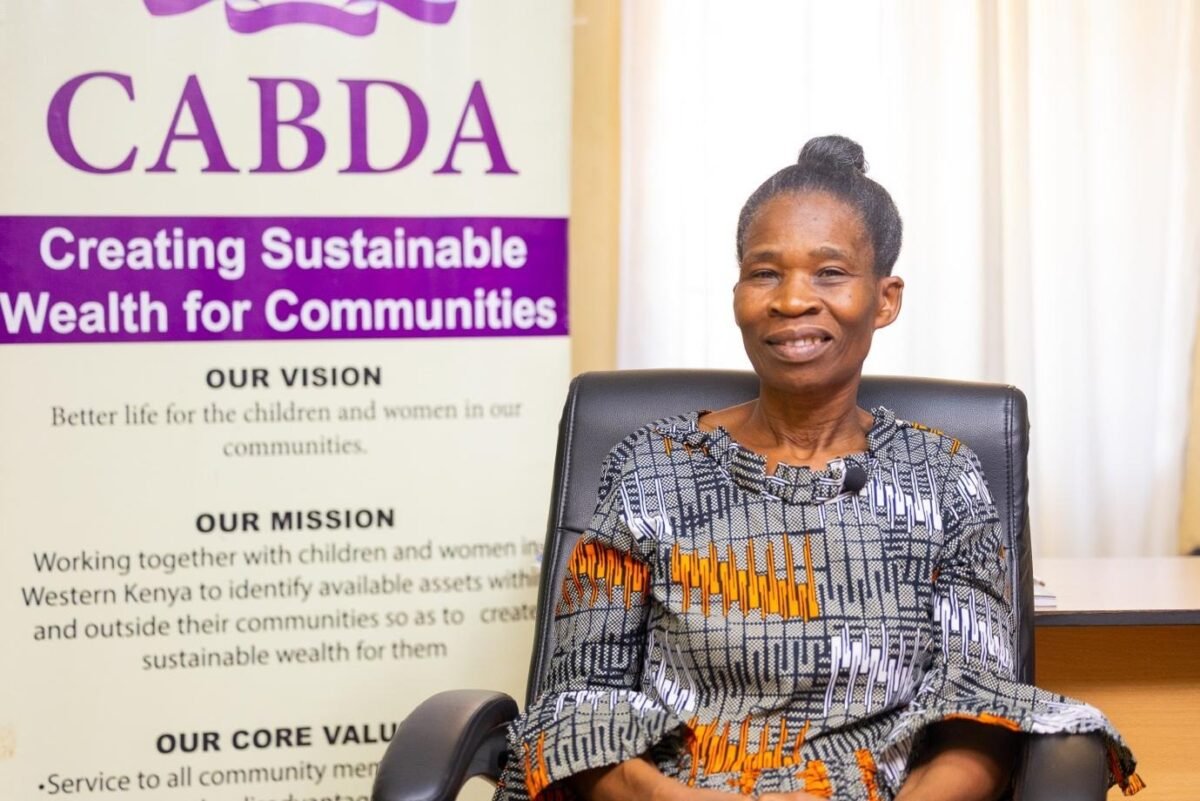
In its work, CABDA targets community savings groups and vulnerable households, including women, widows, HIV-affected families, and youth, supporting them to strengthen savings systems and build sustainable livelihoods.
“In many projects, communities would receive full support, but when implementation ended, they would come back asking for more money even for basic maintenance,” she says. “That is what pushed me to think differently about development.”
Instead of creating new systems, CABDA strengthened existing community structures such as savings groups, caregiver groups, shared labour networks, and household economic initiatives, supporting vulnerable families and small traders.
Even though these systems existed, their financial base remained very small.
“We already had systems in the community. These groups were saving, they were lending, but the amounts were very small,” explains Joshua Kiberenge, CABDA’s Wealth Creation Officer.
“So even when members borrowed, it was mostly to meet immediate needs like food or basic household expenses. It was not enough to really grow a business.”
This meant many households remained vulnerable to small shocks that used up their savings.
“There was still a big gap,” Kiberenge says. “Families were food insecure; children were still at risk of dropping out of school, and households did not have stable sources of income. Supporting them socially was not enough. They needed a way to strengthen their livelihoods.”
KCDF and the Pamoja for Change
In 2022, KCDF joined CABDA under the Pamoja for Change (P4C) programme. P4C uses a 50–50 “shilling-for-shilling” approach, in which communities match KCDF funding with cash or in-kind contributions.
KCDF Programmes Director Caesar Ngule explains the approach.
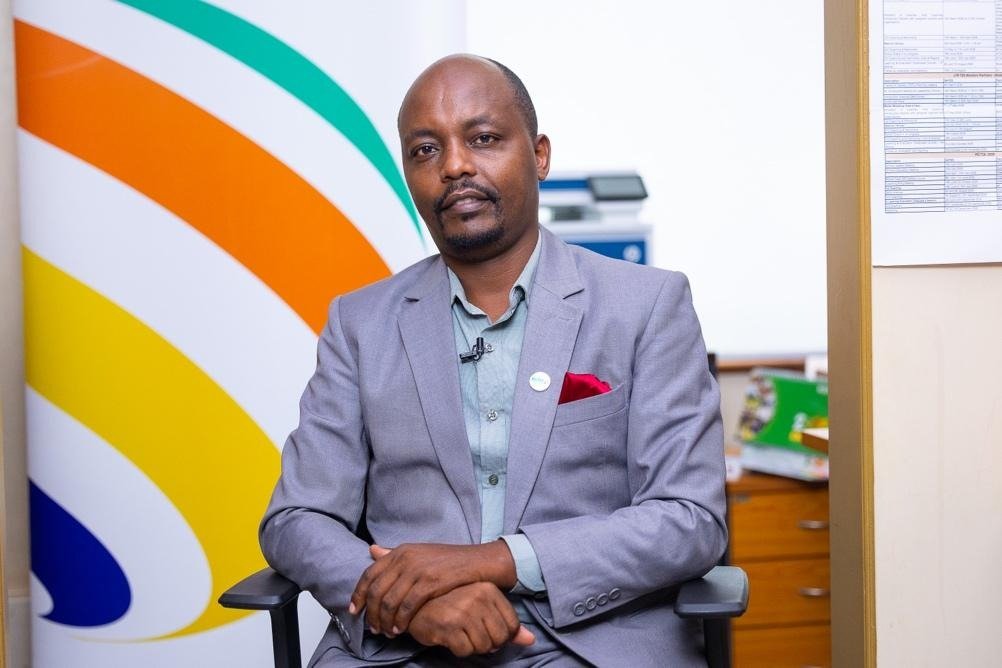
“Sometimes traditional funding removes the role of communities in the action itself, and that can disempower them,” he says. “What Pamoja for Change does is ensure communities identify their own resources, mobilise them, and bring something to the table.”
He added that when communities are involved in the contribution, they get to own the project.
“When communities contribute, the relationship with the project changes completely,” Ngule adds. “It is no longer something delivered to them; it becomes something they built themselves.”
But before funds were released, CABDA went through KCDF’s Change the Game Academy, a six-month training programme focused on governance, fundraising, and financial management.
KCDF Programmes Team Lead Emily Omudho explains the purpose.

“We first assess governance and financial systems, then strengthen those areas so organisations can manage resources effectively,” she says. “By the time they begin implementation, they are not just receiving funds, they are managing a process they understand.”
This training helped groups move from informal saving habits to structured financial systems.
Building Revolving Funds Across Two Phases
The funding was in two cycles. The first cycle in 2022 reached 19 SILC groups in Nabakholo (Bunyala West), benefiting 324 members under a KES 2 million model, split equally between KCDF and the community.
Before the intervention, these groups were already active but operating with very small loan amounts. The funds were placed into revolving group systems to increase loan sizes and support small enterprise activities, supported by training in financial literacy, governance, and record keeping.
The second phase, implemented in 2024–2025, expanded to 17 groups across Bunyala West and East Wanga in Mumias East, reaching 424 members, also under a KES 2 million co-financing model, equally shared between KCDF and communities.
Communities contributed through savings top-ups, labour, and local mobilisation. Loan amounts ranged from KES 40,000 to over KES 300,000, depending on group capacity and investment plans.
“We sat with each group to understand their needs and how they would use the money,” Kiberenge notes. “That is why allocations differed.”
Across both phases, the loans shifted from household needs to investment-based uses.
Household Economic Strengthening Mobilisers
A key part of implementation has been Household Economic Strengthening mobilisers, community-based facilitators who support groups on the ground. Their work includes strengthening record keeping, savings discipline, loan management, and basic business skills. Their role is not limited to training alone. They regularly follow up with groups, track how loans are used, and help members apply what they have learned in real situations.
Zainab Wanga, one of the mobilisers working with about 40 groups, explains the change she has seen.
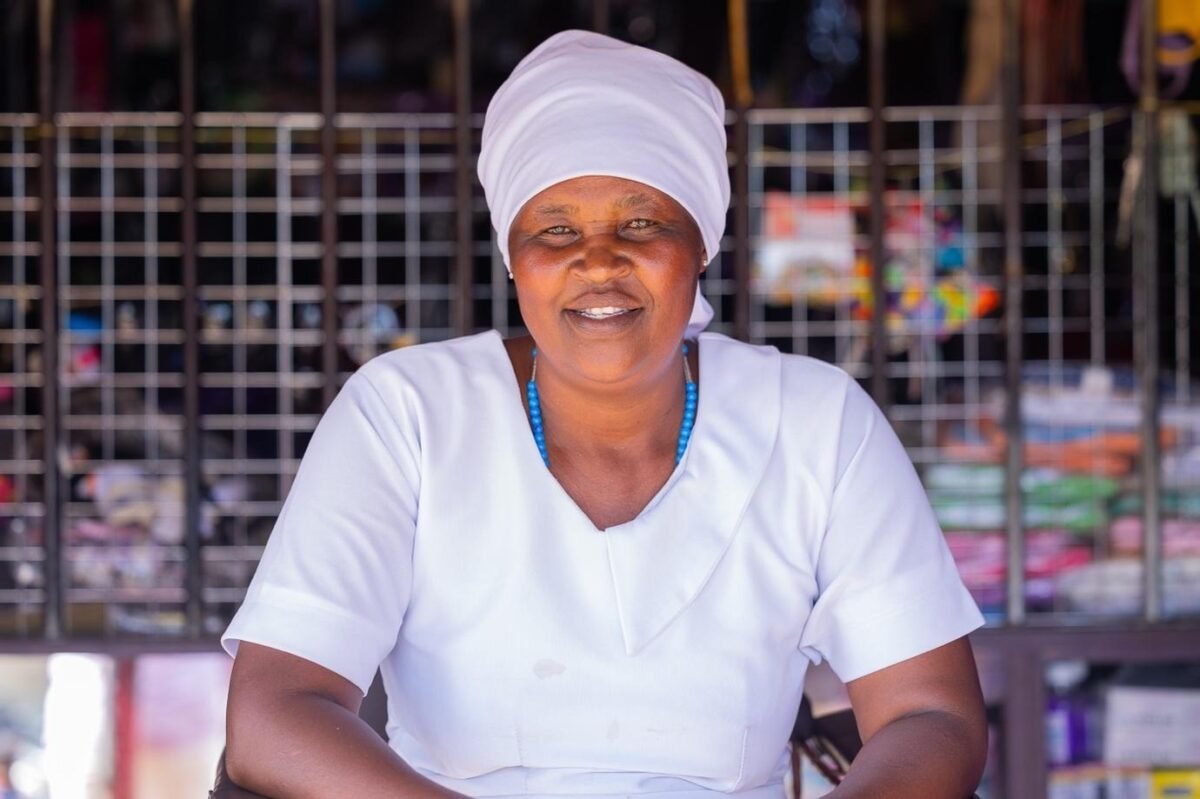
“The challenge was that the loans in the groups were not enough to cater for everyone,” she says. “But through CABDA and KCDF’s intervention, the groups were able to get a boost in their collective savings, which enabled better loans for members.”
She adds that the groups have evolved to serve a higher purpose, becoming spaces where members support each other beyond financial matters.
“My work is to walk with the groups, to train them, follow up on their records, and see how they are using the loans,” she says.
“But along the way, you find that these groups are not just about money. Women come together, they share their challenges, they advise each other, and even emotionally, they support one another. It has become a place where no one is left to struggle alone.”
She adds that some groups are now ready to expand their activities.
“There are groups that have done extremely well and are looking towards expanding.”
What Changed for Members
In Tinyira Group, members describe gradual but steady growth supported by both savings and training on financial management. The group runs savings, lending, and merry-go-round contributions, which initially helped members meet basic needs but offered limited room for business expansion.
Nancy Agola explains how CABDA’s support helped strengthen how the group operates.
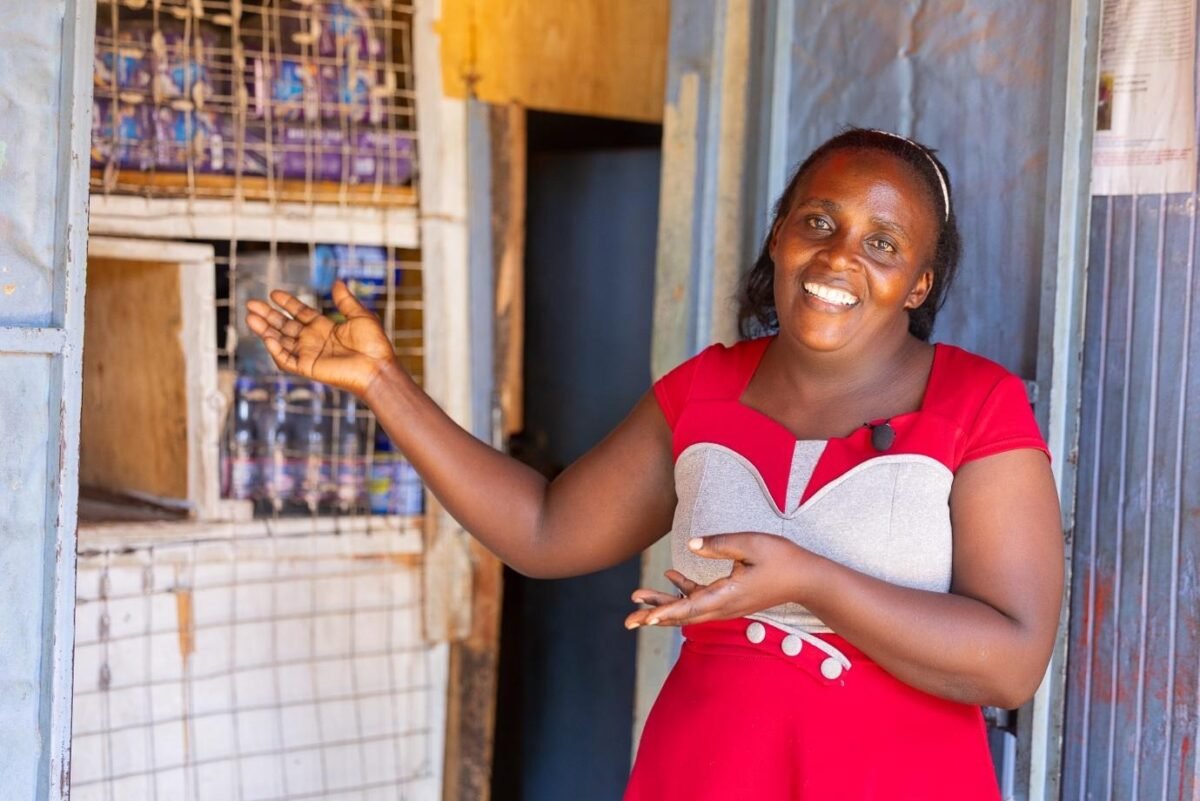
“We are 30 members in our group, and we do savings, lending, and a merry-go-round. CABDA connected us with facilitators who taught us how to manage loans, savings, and business properly,” she says.
She began with a KSh 7,000 loan, which she used to start a small food business selling fries to meet daily household needs. Through consistent repayment and participation in group savings, she qualified for a larger loan that allowed her to expand.
“I started selling fries. From that, I repaid the loan and later got KSh 15,000, which helped me expand into a shop, then registered as an M-Pesa agent. It also helped me run the business alongside others. I still sell fries and also doughnuts,” she explains.
With the shop, her income became more stable and predictable, allowing her to better manage both business and household needs. She also notes that the training helped her understand basic business discipline, including saving, stock management, and separating business and personal funds.
“We were taught that as women work towards being financially stable, to help our partners and also to have responsible spending of the funds given,” she explains.
Amani Musasi Group
In the Amani Musasi Group, consisting of 28 members, access to larger and more reliable loans has allowed members to rethink how they approach business.
Grace Buyachi explains how her journey began with the group and how she used her first loan.
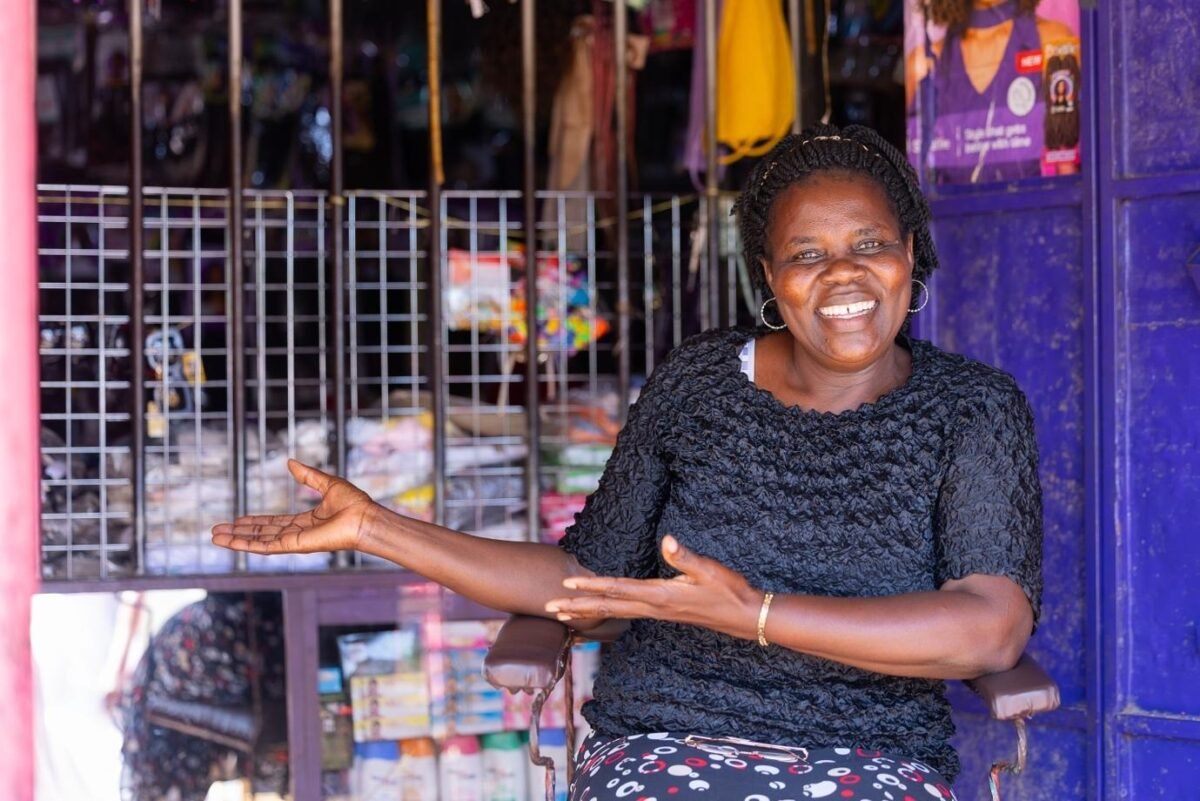
“From CABDA, we received KSh 50,000 as our first loan, which, after repayment, they increased the amount to KSh 210,000. Each member got an amount they could manage. I personally took KSh 20,000 and invested in buying beauty products like braids to sell in my boutique. The interest was low, so I was able to repay it on time.”
Before this, her business path had been unstable and difficult to sustain. She had previously tried running a salon, but without the necessary skills and oversight, it led to losses.
“I initially had a salon, but I lacked the skills, so I hired someone. They became dishonest, and I started making losses. Sometimes my monthly income would go as low as KSh 5,000, and after expenses, there was nothing left,” she says.
With access to training and better financial planning, she shifted her approach from relying on others to building something she could manage directly. Over time, this allowed her to stabilise her income and expand her activities.
“Now I have a boutique, a posho mill, and I have even bought three pigs. I can buy stock worth KSh 100,000 and make up to KSh 10,000 in profits even before the month’s end and still have enough to restock,” she adds.
Now Buyachi is looking forward to expanding her business into wholesale.
“There is a high demand for beauty products to be sold in bulk, and I have already started to work towards that expansion,” she says.
Lusumu Mwendo Support Group
In Lusumu Mwendo Support Group, the impact goes beyond individual businesses to wider household wellbeing and group sustainability.
Janet Makari explains how the group combined their own contributions with external support to build their fund.
“We started with 20 members as a savings group. CABDA came in, and we contributed KSh 50,000, and they added KSh 50,000,” she says.
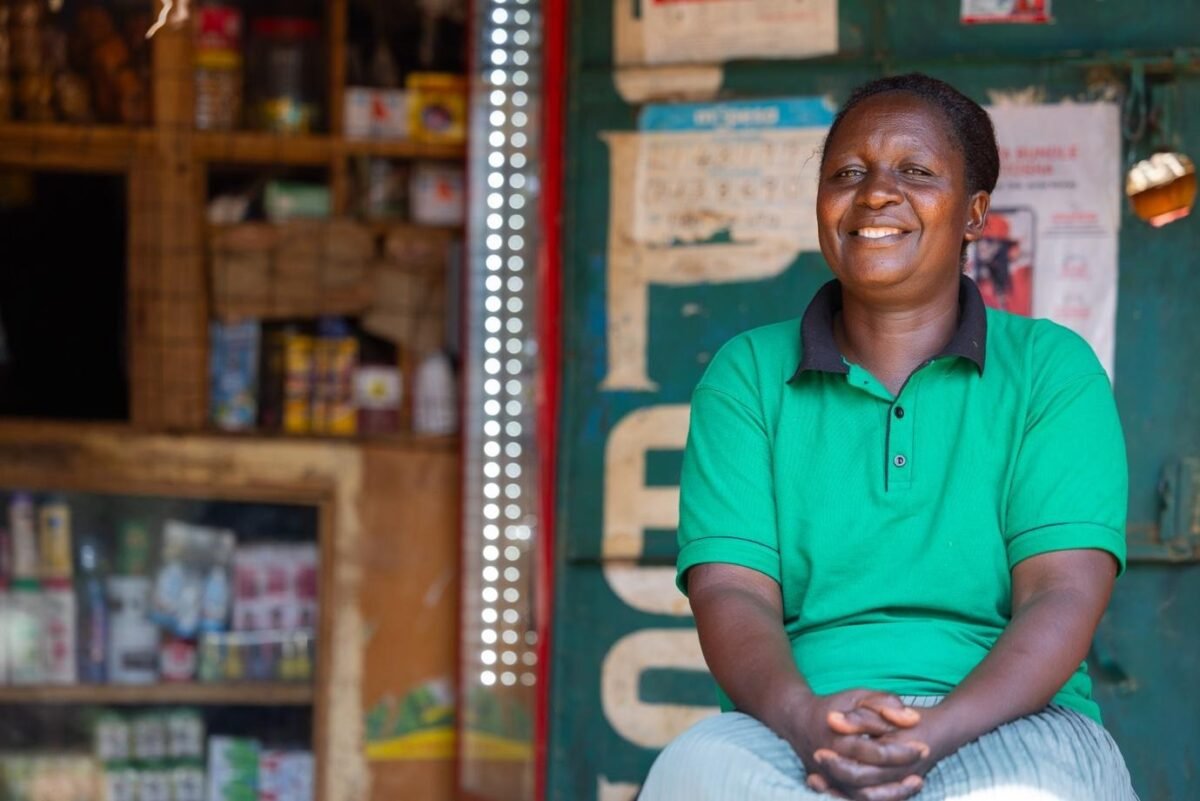
She took a loan of KSh 10,000 to start a business selling fabrics and clothes, and was able to repay the loan within six months.
In the second round, the group received an increased fund of KSh 117,000 from CABDA, allowing members to borrow larger amounts and expand their activities.
“In the second round, I took a loan of KSh 25,000, which I used to expand my business by registering as an M-Pesa agent. I also used part of it to buy more fabrics for my tailoring business, restock my shop, and cater to my household needs,” Makari says.
Beyond income, she points to wider changes within households, especially in how families are now able to meet basic needs.
“Many of these groups had a majority of beneficiaries as widows. Most of us were really poor and could hardly sustain ourselves. Our children had malnutrition challenges, but now we supplement diets using income from our farming project in soya, which CABDA has also helped us with,” she explains.
The group has also taken steps to ensure continuity by bringing in younger members and preparing them to carry the work forward.
They have included 12 youths who are being supported to form their own group in the future, extending the impact beyond the current members.
“We may not be around to carry on with our projects in the future, and starting to train the youth early will enable the progress we have made to continue. Since they are in school, we involve them whenever possible and have begun saving for them. We plan to get them registered as a group by the end of the year, and with the savings, they will be well prepared to continue,” Makari explains.
Challenges and vision
Even with progress recorded, demand for loans has begun to outgrow the available funds within the group’s revolving systems.
“Loan demand has outgrown the available capital within group revolving funds,” Kiberenge says.
Despite the challenge, the focus of the programme remains on building systems that communities can sustain on their own. For Imbali, the goal is not only organisational continuity but also ensuring that community groups remain functional and able to meet basic household needs beyond external support.
“Community fundraising is what we are now implementing across all our different projects to enable their sustainability,” she says.
She notes that this shift was strongly influenced by training received from KCDF, which changed how the organisation approaches local resource mobilisation.
“I want to really appreciate KCDF, because out of all that we are doing, it was because of the training they gave to us. The training empowered us to see that communities have their own resources, and to understand that there is a way we can raise funds locally before we reach out to other organisations,” she says.
Since 2011, the P4C programme has reached 29 counties in Kenya, working with 52 organisations across 82 projects. A total of 161 million has been mobilised, with half raised by communities themselves.