




Dozens of groups turn Covid-19 emergence response into long term projects
August 3, 2024
Covid-19 Response: Engaging Vulnerable Communities
August 3, 2024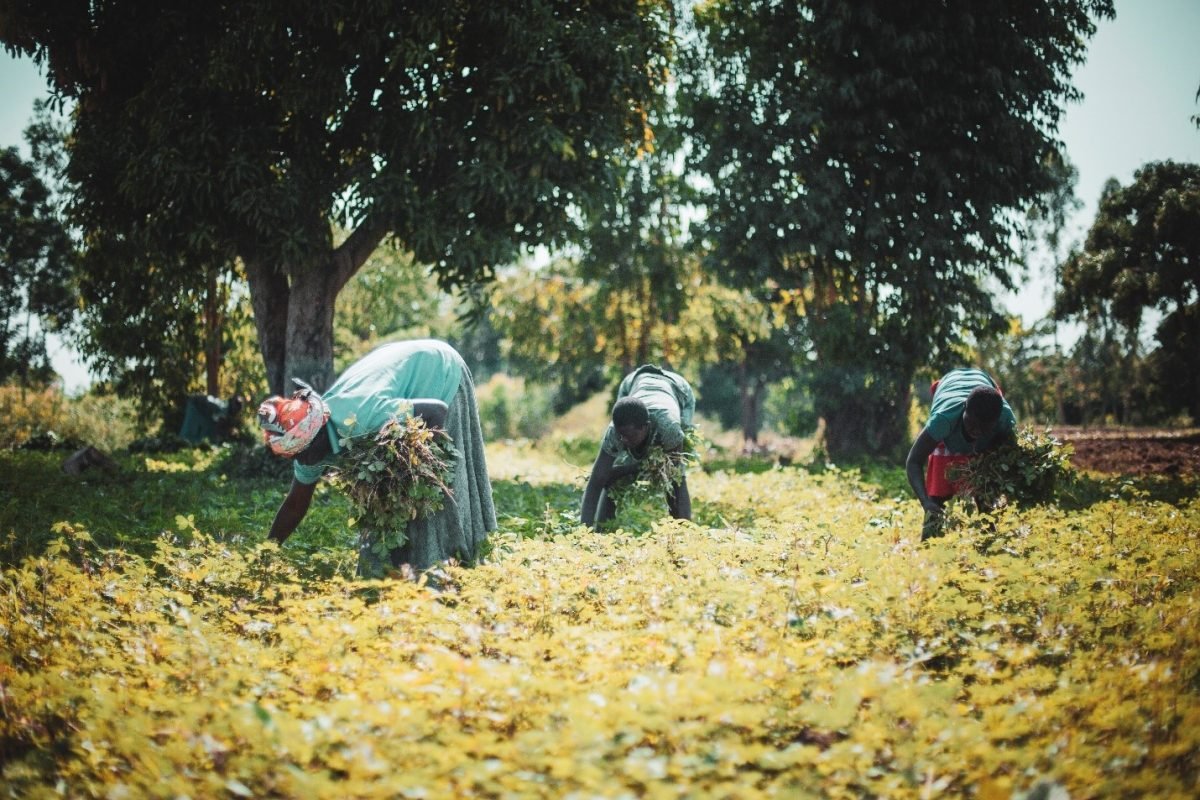
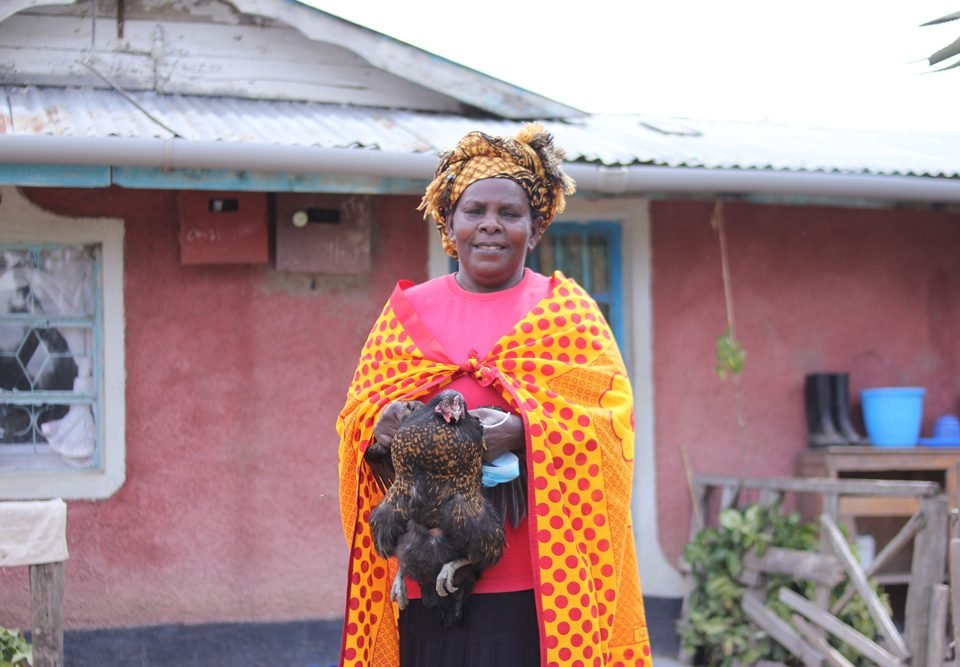
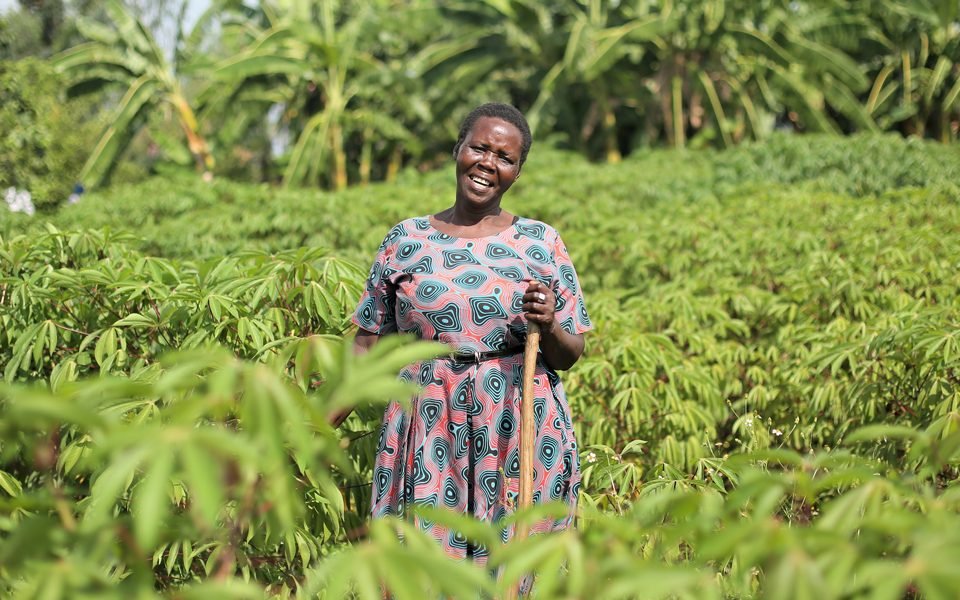
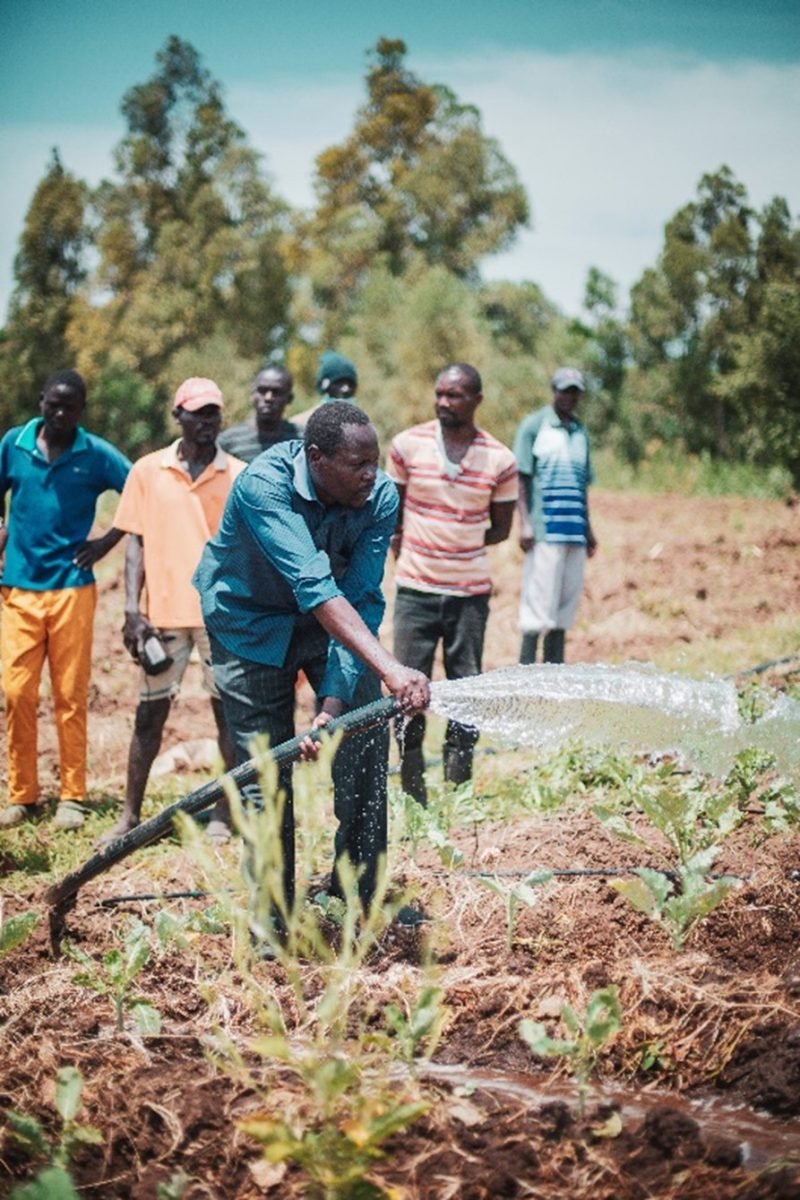
By mid-morning at Macalder Kanyaruanda, the farmers are already in their farms. On one farm, kales are blossoming after a round of watering. In another one, a farmer is spraying insecticides on his crops. In yet another shamba, a woman is readying herself for the market to sell Amaranth.
Against the backdrop of the sound of nature – gurgling of River Kuja, the sound of bird trills and crickets chirping, farmers go about their businesses.
These are among the more than 60 members of Kimai young farmers in Nyatike Constituency, Migori County. The farms are located at the bank of River Kuja as they depend on it to irrigate their farms.
In 1992, Kared Fod Women Development Programme (KAWODEP) was established in the region. “The major reason that fostered the formation of this organisation was to mitigate the challenges that were affecting the people of this area. There were issues of poor agriculture, food insecurity, HIV and AIDS”. When KAWODEP was formed, it was to create awareness of the disease and address the challenges that led to its spread. Further, to give hope and support to the women and children because we found that men were dying at a faster rate than women thus leaving them vulnerable,” explains Josephine Brenda, Programmes Coordinator.
Since its establishment, KAWODEP has partnered with Kenya Community Development Fund (KCDF) on various development projects through which they have received support from donor partner Comic Relief to meet their objectives.
COVID-19 PANDEMIC
After the onset of the pandemic, the lives of most members of Macalder Kanyaruanda ward were negatively impacted. The restriction measures put in place by the government in the effort to contain the spread of the disease pushed them to the verge of despair.
“People lost jobs and those in small scale businesses were forced to eat into their profits and capital to keep their households running. Accessing food was also a big challenge”, explains Josephine.
SUPPORT FROM COMIC RELIEF
KCDF’s donor partner Comic Relief has partnered over the years to help organizations like KAWODEP. KAWODEP sought to offer a solution by targeting vulnerable women and men who practice agribusiness. This led to the formation of Kimai young farmers, a group with a membership of more than 60 residents.
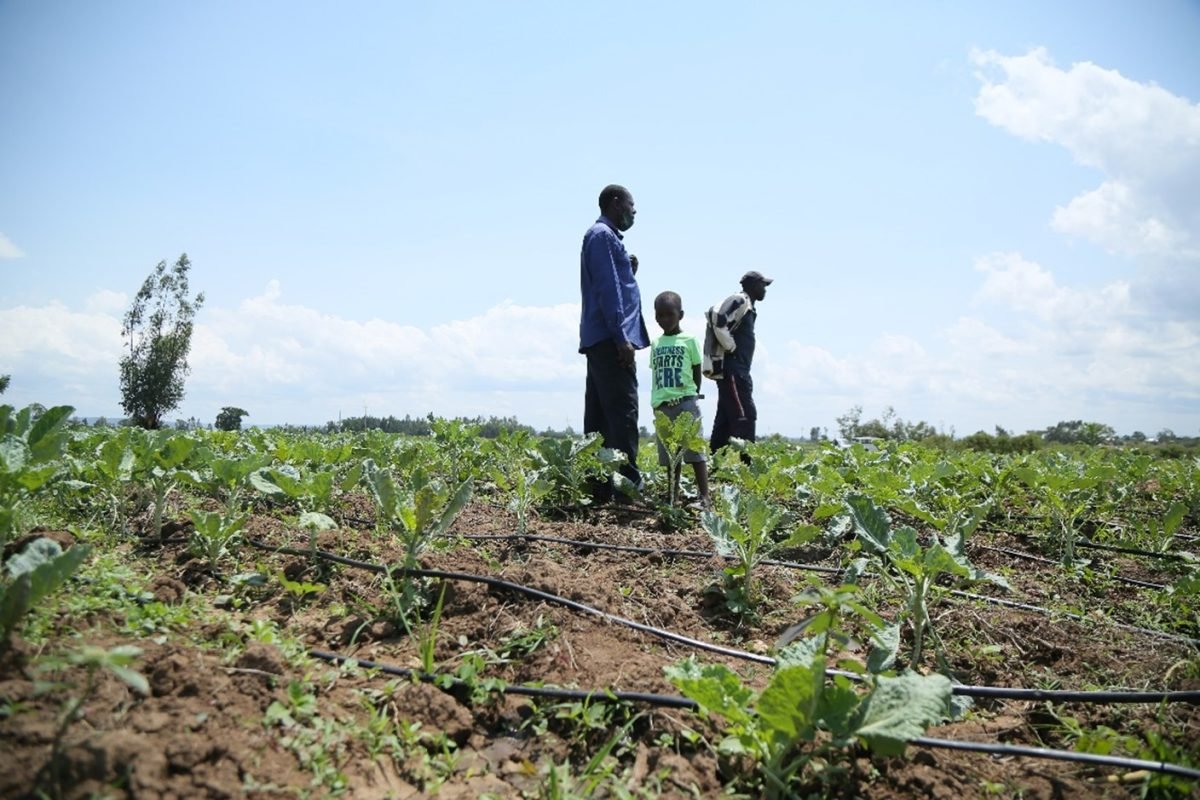
“To start us off, we were keen on people that were near a permanent source of water to make it easy for them to practise drip irrigation. We gave them drip irrigation kits, water tanks, and seedlings. They are growing different crops such as sagaa (spider plant), murenda (jute mallow), spinach, sukuma wiki, maize, watermelons among others,” she offers.
During the first phase of the project, Michael Aliwa, a field officer with KAWODEP offers that they supported three groups with irrigation kits and later applied for a scale-up and procured a generator for the group. In the second phase, the organisation managed to support five groups who have embarked on onions and watermelons farming.
“The project has been ongoing for the past one year and the beneficiaries attest that they have benefited a lot. Most farmers are able to get Kes. 3,000 every week, money that is spent to pay school fees for their children and meet other household needs.
To make it sustainable, we ask seed funding from the farmers that they give back to the organisation so we can be able to support other groups.
BENEFICIARY
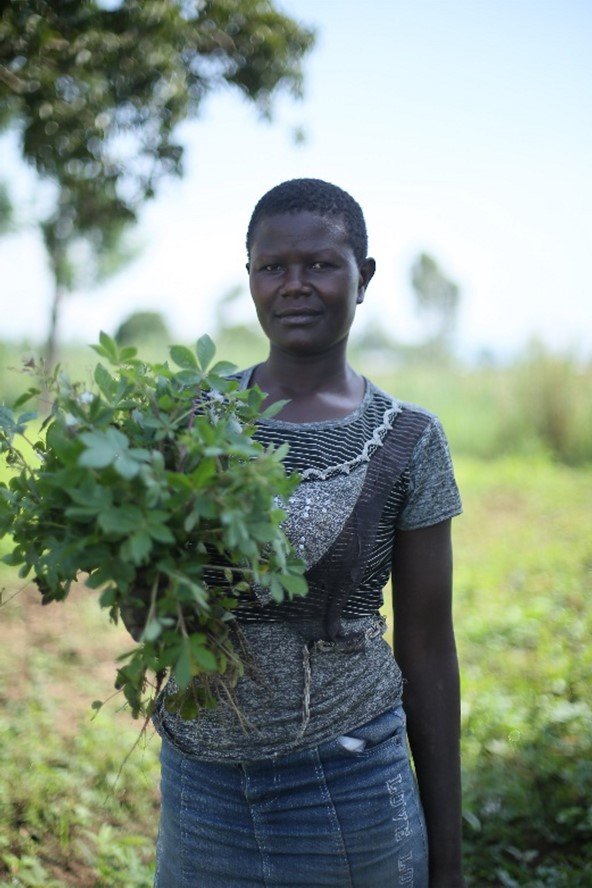
Standing under the shade of a flowering mango tree, we find Odhiambo Voline, a member of the Kimai young farmers. In the company of two women, they are packaging sagaa to sell at the market. Voline is married and a mother of three.
“Before the C-19 pandemic, I majored on selling omena, a local fish delicacy. Then came the coronavirus issue and my business was highly impacted. I ended up eating into it. At one point, I was not only struggling to make sales, but also pay bills. Farming is now my lifeline,” she offers.
Every week, Voline is assured of making an income on two different days – Tuesday and Friday. With the money she earns, she is able to support her children through school, provide her family with a balanced diet and meet other daily household expenses.
Another beneficiary of the funding from the partnership of KCDF and Comic Relief is Julius Otieno, a high-spirited middle-aged man who describes himself as both an agricultural and horticultural farmer. He is also the secretary-general of the Kimai young farmers.
“Since I started farming, I have on most days followed a particular routine. I wake up, have breakfast then go to the shamba. There’s always something to do – one day I am preparing for planting, the other day I am watering the crops. Like I am doing today,” he offers. On a tour around his farm, Otieno explains that his farm is roughly 12 hectares and has been partitioned for various uses – agribusinesses or horticulture farming.
His journey as a farmer starts with preparing nurseries then transferring to the seedbeds. “I have many people depending on me, so I have to work hard on the farm. I have two wives; eight children and I also support seven others. Prior to the pandemic era, we could mostly hire farming tools but that became even difficult in 2020 because we could not raise enough money to hire the tools. This is what pushed us to ask for help from KAWODEP,” he offers.
With the Covid-19 pandemic, he says that the group was stranded and at the edge of frustrations. Then KCDF thanks to the support of Comic Relief, KAWODEP came through for them.
“The money that we used to pay for farming tools has now been diverted to the purchase of pesticide, ploughing and school fees. Now, I am able to feed my family well, clothe them and pay fees,” he shares.
SUPPORT
One of the biggest challenge the farmers face is the lack of enough farm inputs such as generators and water pipes. To water the crops, the farmers have to wait on each other since they all share one generator. The water pipes are also not enough pushing some of them to hire at a cost of Kes. 1,000. “We would really appreciate if we can get scale up and be supported with more generators including other farming tools,” says Josephine.
Besides addressing the issue of food security, KAWODEP also helps members of their community to improve their savings and lending in Savings and Internal Lending Communities (SILC) groups.
“The year 2020 was a difficult one for those in small scale businesses. Fortunately, the KCDF and Comic Relief partnership came through and supported us with a grant of Kes. 700,000. We managed to give seed funds to different SILC groups to boost their businesses. They meet, do their yearly savings then do lending amongst themselves. We gave one group Kes. 15,000 and had accumulated and made savings of Kes. 34,000 by December. Some groups have 30 members while others have even up to 60 members”, offers Josephine.
BENEFICIARY
Jesca Atieno Odhiambo, a mother of five and a beneficiary of SILC has nothing but praise for the program.
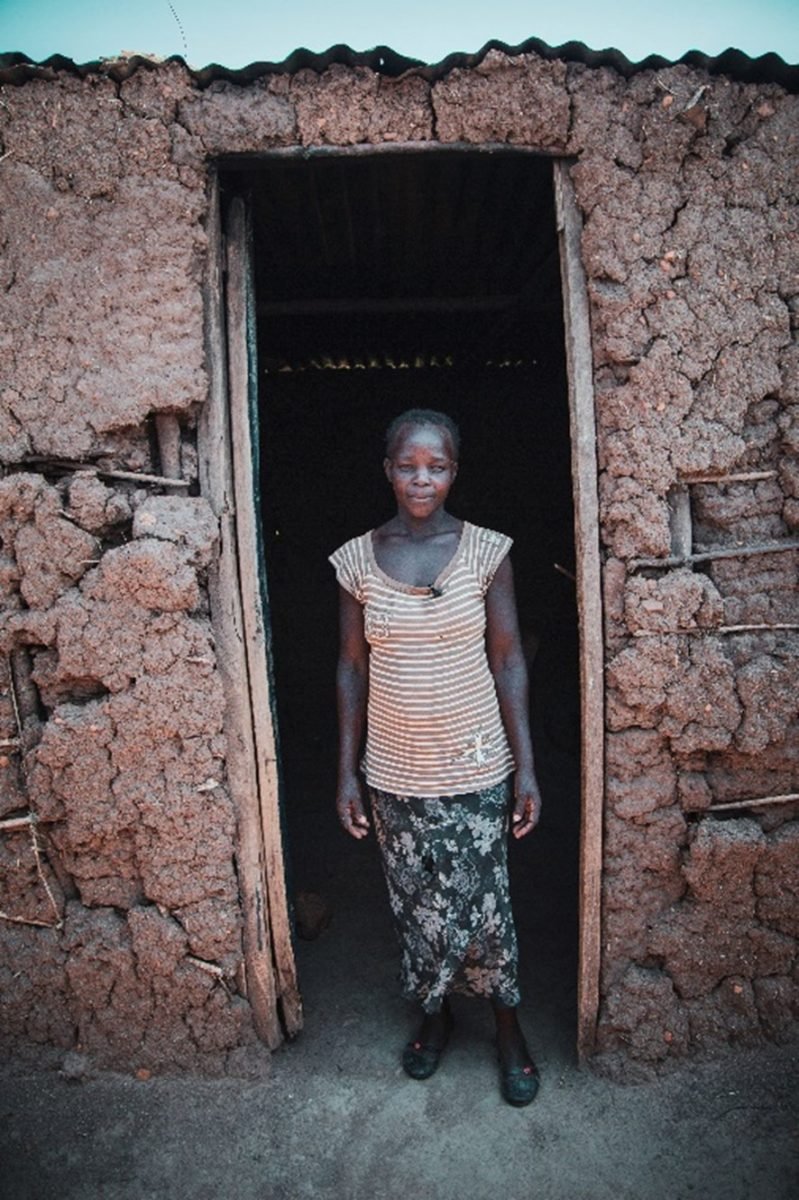
In May 2020, Jesca was in the market selling fish and tomatoes, a business that enabled her to provide for her children. She is the family’s sole breadwinner after losing her husband through a gold mining accident.
“I came home on a particular day that month and found my house on fire. We could not salvage anything from the house, so it has been difficult to get back on our feet. Through our SILC group, which has 20 members, I borrowed Kes. 8,000, an amount that I am repaying thanks to my small fish selling business.”she shares.
Besides receiving monetary help, Atieno shares that the group has been a source of encouragement and empowerment. “Anytime I go to the group, they encourage me, and I am getting strength from them. Were it not for this group, I would have probably sunk at the weight of my burdens. I hope that we can get more funding to support other vulnerable women like myself,” she says.
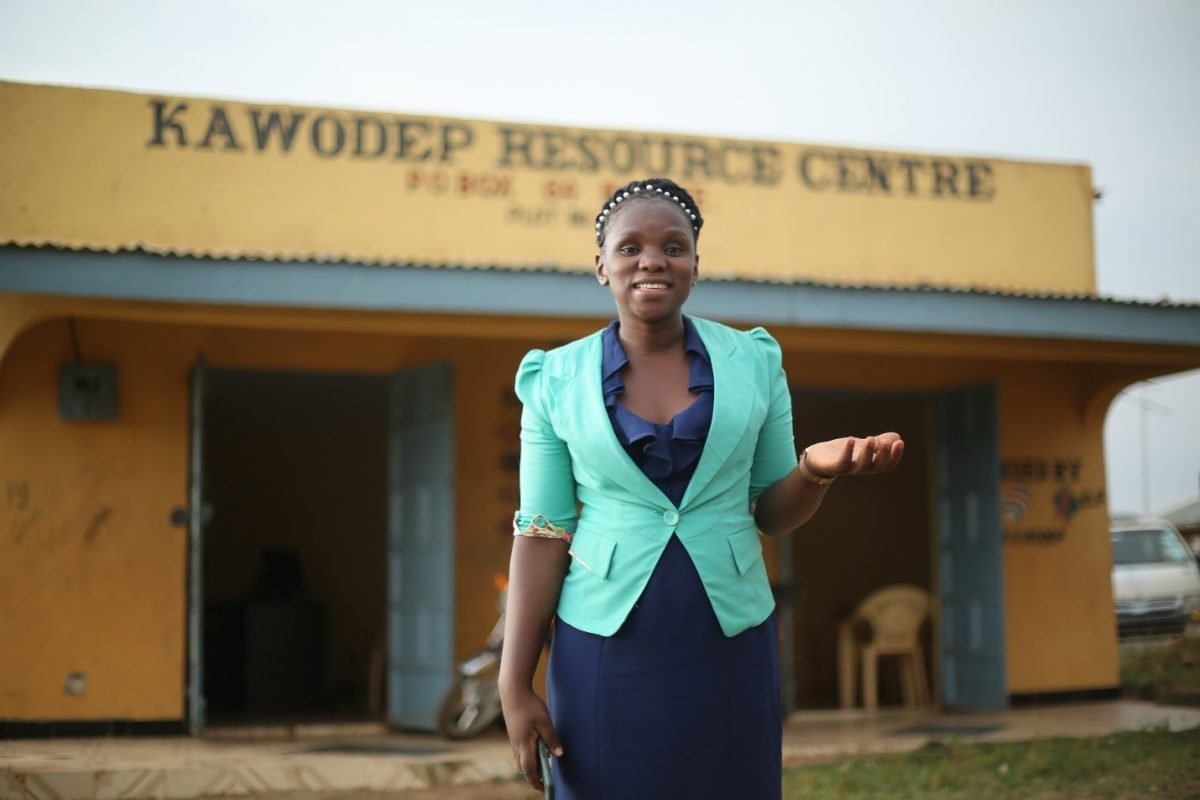
KAWODEP RESOURCE CENTRE
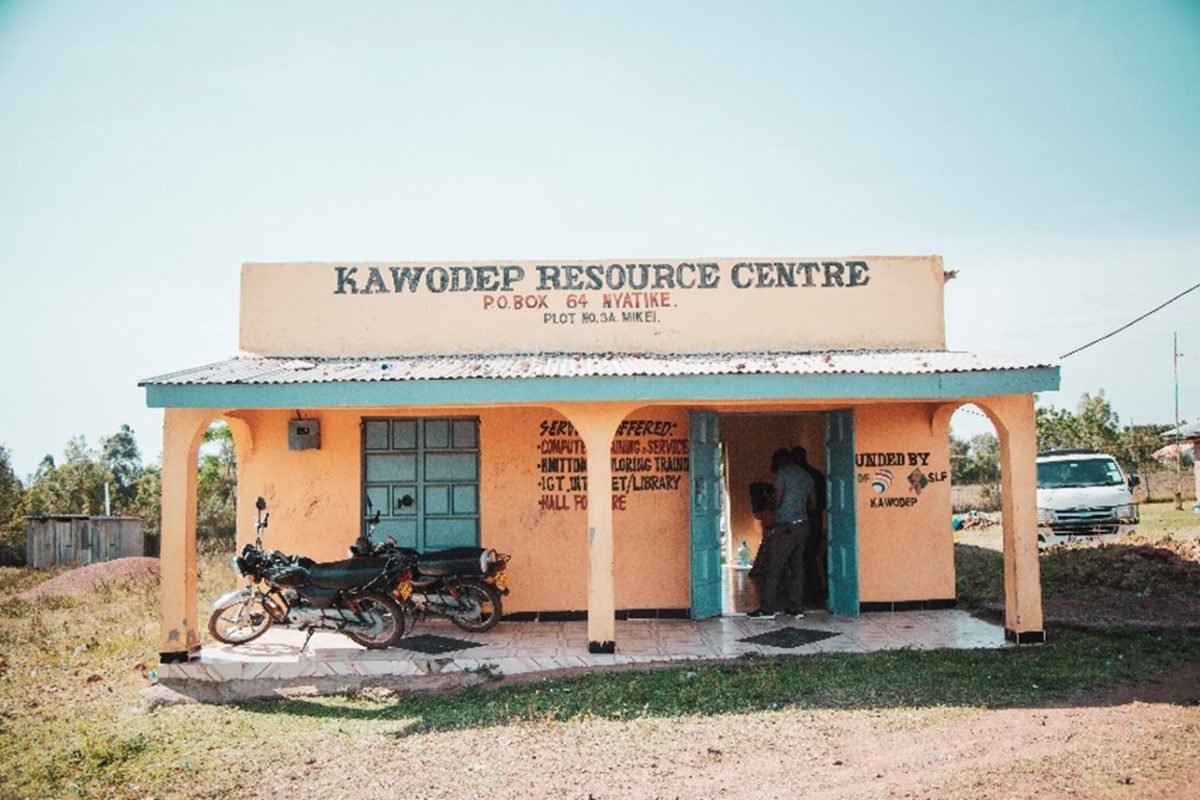
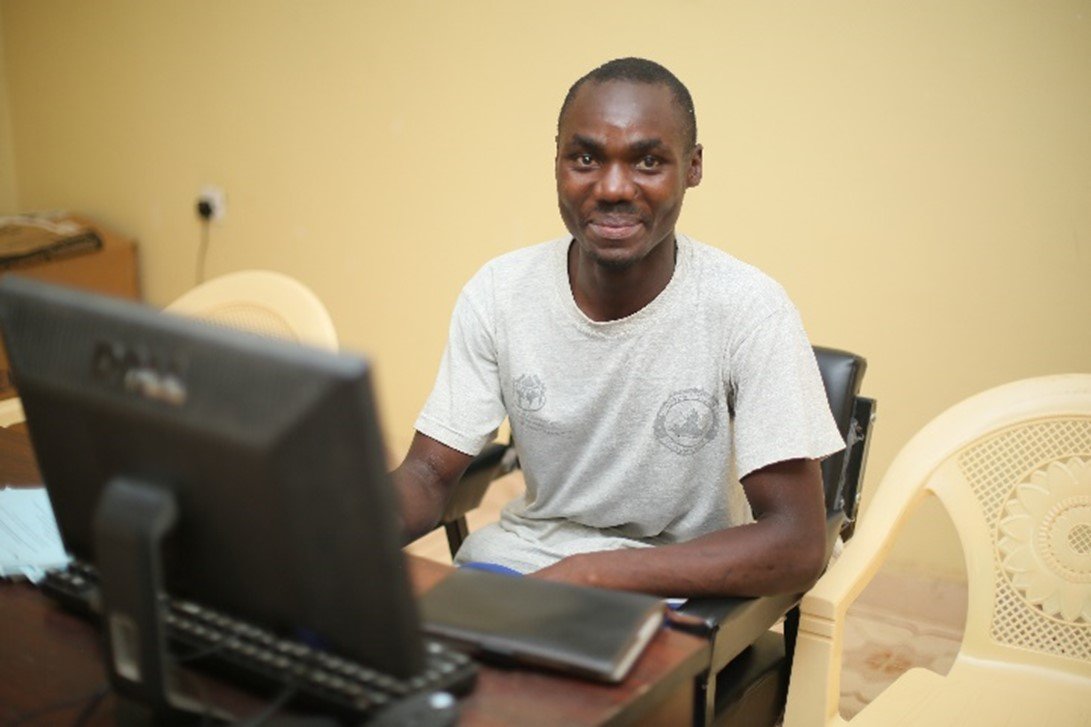
To connect the people of this region with the world, KAWODEP opened a resource centre in Mikei town centre in 2019. The centre offers IT packages training for learners who are transitioning to college and university and has created employment for three people from the locality. Within the resource centre, a separate room houses a tailoring training facility.
“This is the only resource centre around this place. Before its establishment, one had to travel to Migori town which is more than five kilometres away. Here, we can equip people with computer skills that can help them in their studies or businesses. So far, we have graduated 20 students,” says Evans Ochieng who is a trainer at the centre.
Elisha Odhiambo, 19, has been coming to the centre for about four weeks now. “I have learnt a lot. Now I know how to produce documents on a computer and use the skills that I have learned here to start my own business. Although we have less computers, we have to learn in shifts, it has been a phenomenal experience for me. I am ready for college,” he says.