


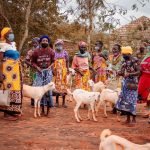
With Galla Goats, Women in Kilifi Transform their Live
August 3, 2024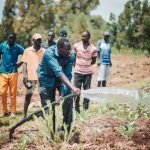
Post COVID-19 Intervention On Food Security
August 3, 2024
In 2001, Pamoja Child Foundation started its operation in Awasi, Kisumu County. Then, the spread of HIV/AIDS and related deaths was a menace in the region. To help orphans and the vulnerable, Pamoja Child Foundation, a community-based organisation (CBO) was founded.
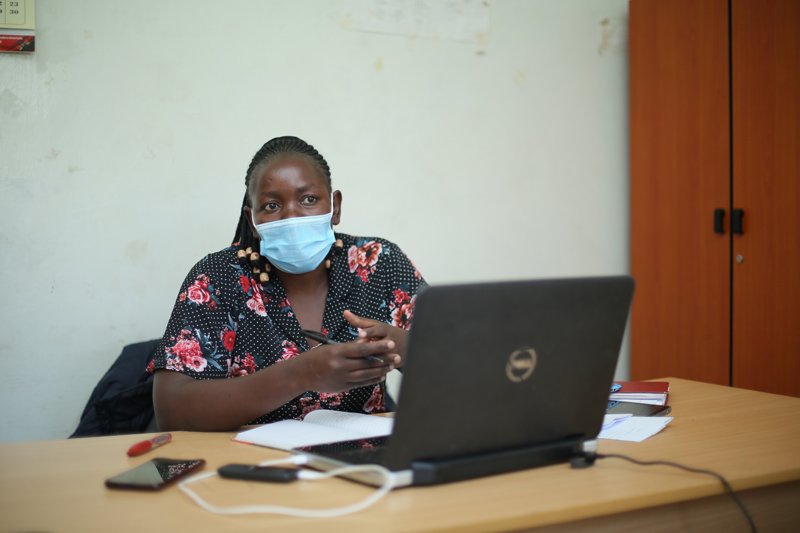
“In the next six years, it was simply a sponsorship program in that we helped pay school fees for the orphans and supported the affected members of the community meet their needs and expenses. With this, we realised that we were fuelling dependency so the organization changed its strategy in 2007,” offers Evalyne A. Kiage, Pamoja’s program officer.
The strategies that they came up with were networking and collaboration, sponsorship, community group empowerment, and equipping schools with resources to run as a safe haven.
One of the programs that Pamoja is passionate about is community empowerment through agriculture (CETA). The goal is to help members of the community be food secure and earn an income. “We have some who are into poultry farming, farming, while others have ventured into liquid soap making businesses. With this, they can support their households,” says Evalyne.
When coronavirus snaked its way to Kenya, things took a wrong turn. People who were depending on their relatives for cash outs stopped receiving money and those in small-scale businesses were feeling the weight of the pandemic on the economy.
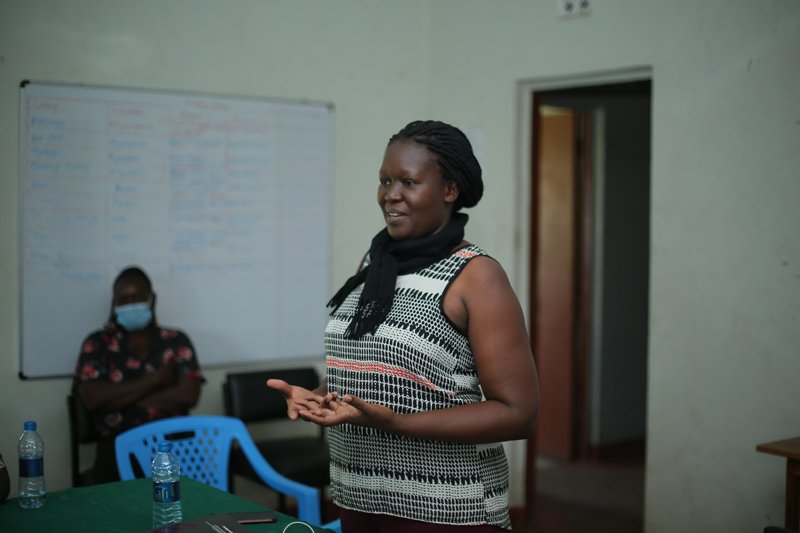
“We had to do something,” says Tabitha Omollo, the program’s coordinator.
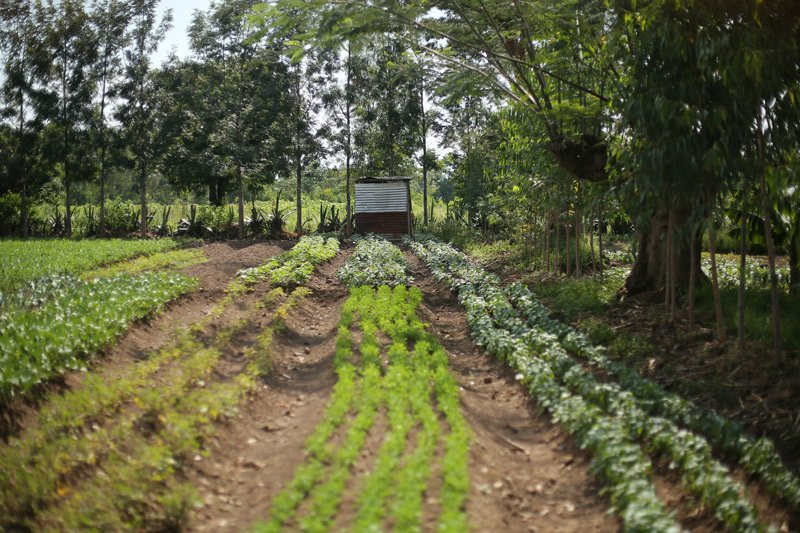
First, they did a baseline survey to find out if the members of the community, who have been grouped in 24 groups each with about 10 members, were willing to upscale their farming or instead of planting sugarcanes, switch to beans and vegetables.
“Before the pandemic, they were farming vegetables and other crops like beans but this was just for subsistence. Even then, it was not enough to carry them through the long rain and short rains seasons,” offers Tabitha.
Through funding from I&M foundation and Comic Relief in partnership with Kenya Community Development Fund (KCDF), Pamoja embarked on an emergency response project with 10 of the 24 groups.
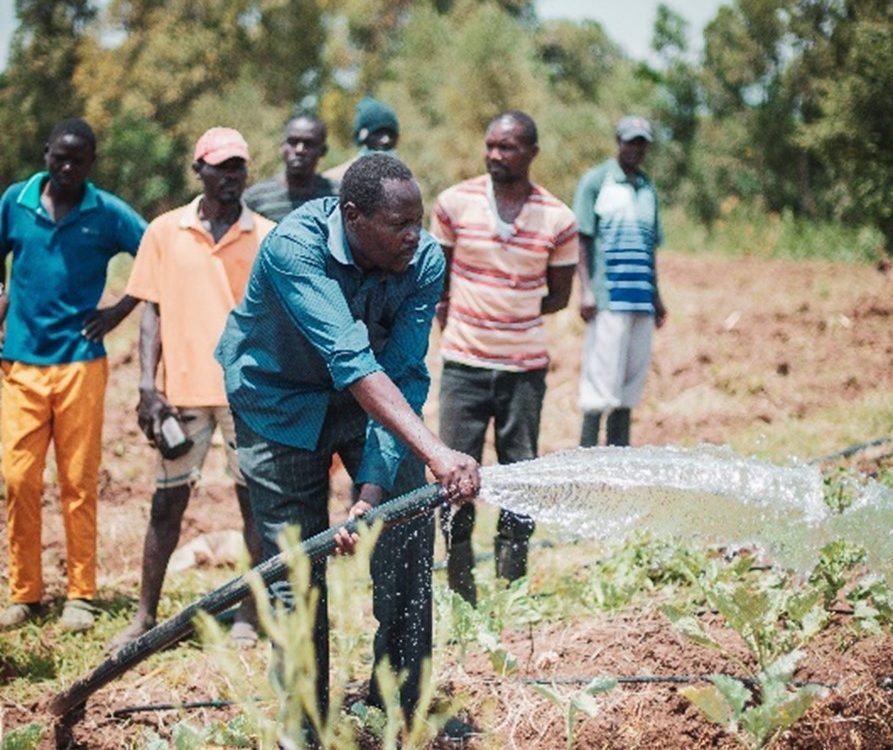
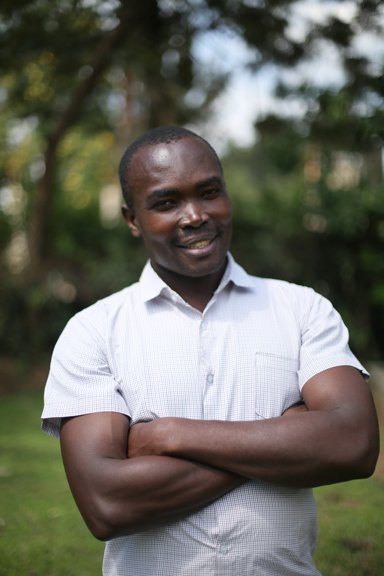
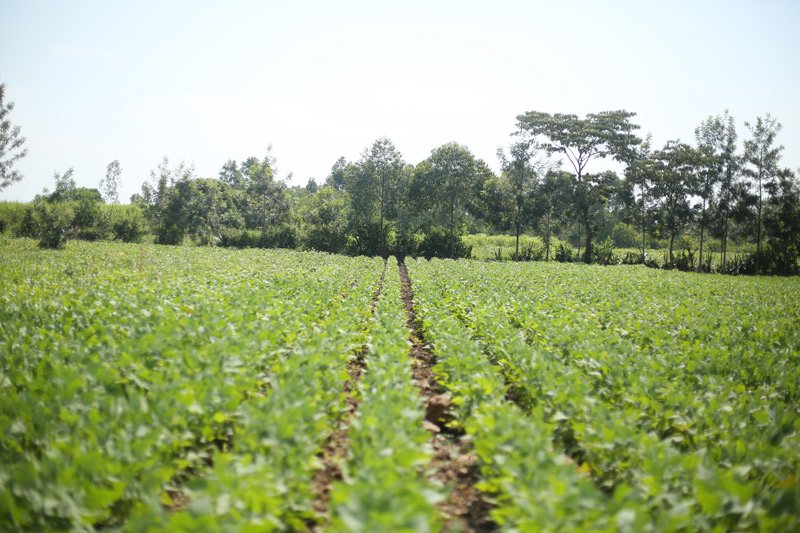
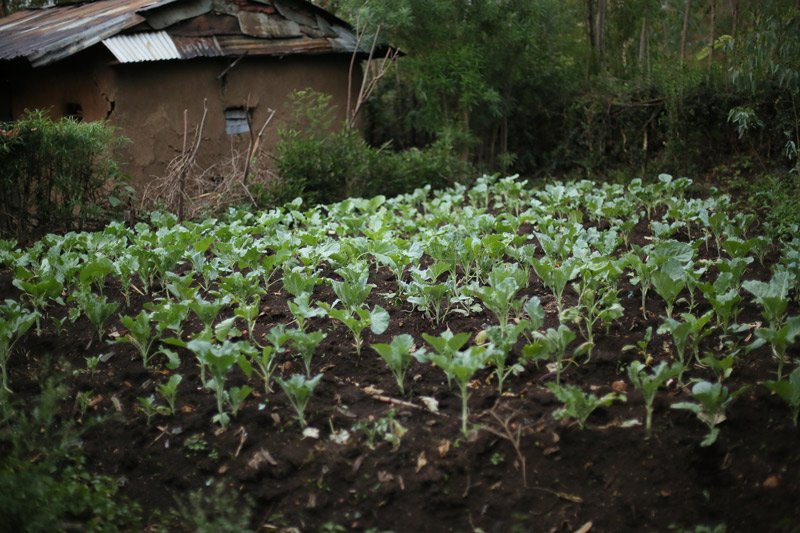
Ibrahim Odie is one of the beneficiaries of the pilot project in 2020. “Before Pamoja came to our rescue as Omanyo group, I was into watermelon farming which was a losing venture because of pests. We were trained how to raise beds for vegetables, how to deal with pests and diseases and how to develop our tenacity against the harsh weather conditions. Also, we were introduced to beans farming. I remember getting 4kgs from them and harvesting more than 30 kgs. I was able to sell and used a part of the sum to enroll my son to a secondary school,” he shares.
Through the support from I&M Foundation, Comic Relief, and KCDF, the members of the organisation are able to work more efficiently having received two desktop computers that enable them to make documentation, record keeping, and make reports.
Presently, Pamoja operates in Awasi and Nyang’oma location of Nyando and Muhoroni constituency. “With more partnerships, we can branch out to other places like Homabay,” offers Evalyne.
Impact
After the success of the pilot program, we are scaling up and working with 24 groups. Most of the groups have more women than men. To train them, we partner with Kenya Agricultural and Livestock Research (KARLO) who support training, development of the manuals, and updating them, and offer extension services. Also, we work with community resource persons.
Phillip Kitur is a government official who has been helping farmers with farming and the development of manuals.
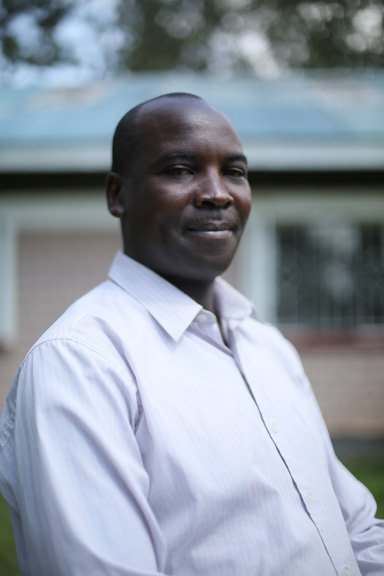
“When we started last year, I remember that we had many challenges because soil testing and sampling had not been done. We embarked on that and the introduction of beans was to ensure that the children consume nutritious foods. I volunteer my services to empower the farmers. The manuals contain crop varieties to grow, spacing, altitude, crop husbandry, emergence, and research on new techniques,” he shares.
Sustainability
To sustain the project beyond the Covid-19 era, Pamoja through KARLO has been providing the groups with a variety of beans that has many years of viability and grow well in the region.
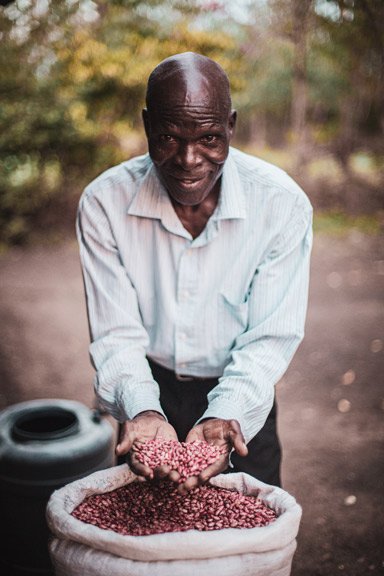
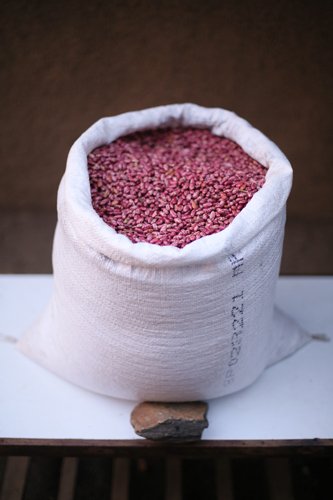
“We are growing a variety called Nyota beans. It is high-yielding, nutritious, and drought tolerant. We give seedlings to the farmers and upon harvesting, they give back the seed funding either in form of the beans or money. That way, we are able to support more farmers.
“I used to plant sugarcanes then I started planting maize, sorghum, and then nyota beans. I was given two kgs which I have since planted. I am yet to sell but business is good and one will have to part with Sh 300 for one ‘gorogoro’ (tin) from me,” says Paul Amolla, a kitchen garden, and beans farmer.
Besides KARLO, Pamoja Child Foundation also works with CREP Programme, a Non-Governmental Organisation that also addresses food insecurity and economically empowers vulnerable and disadvantaged members of the community.
For posterity, the organisation requests funds that help them initiate a table banking system whereby farmers can loan one another money and pay with an interest.
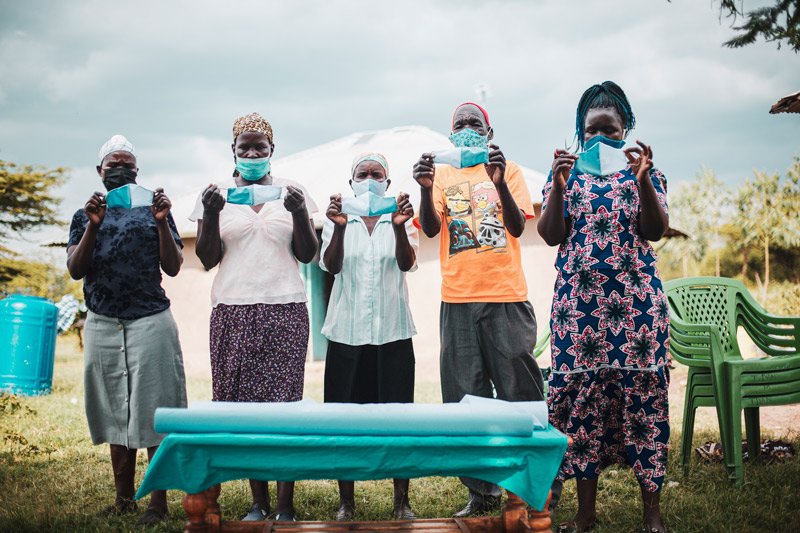
Besides empowerment through agriculture, the onset of the pandemic presented an opportunity for the organisation to tap into the health and sanitation components.
“We realised that accessing markets was a challenge and to access a public facility whether hospital or the market, one had to wash their hands. As such, we encouraged the groups to make their own and trained those who embraced the idea,” offers Tabitha.
For the soap-making project, we are working with 10 groups and two for mask-making. The latter has posed a great challenge since the market price has dropped yet there is a lot that goes into their handmade masks making project.
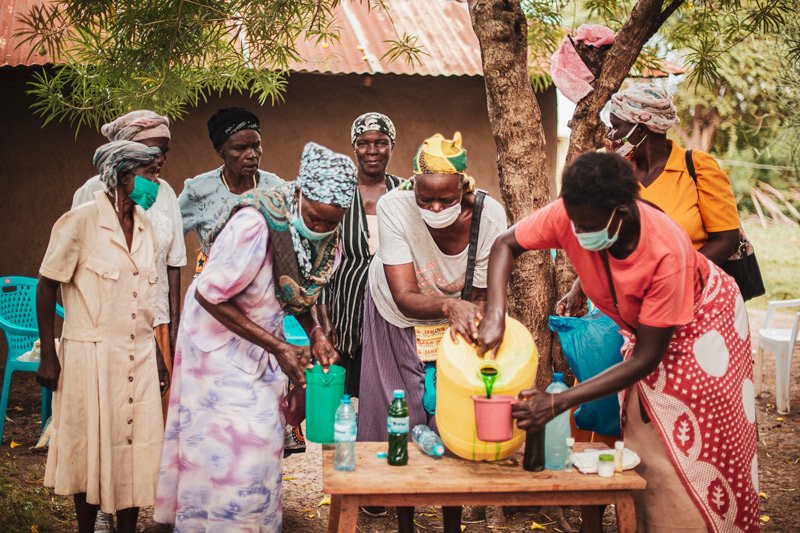
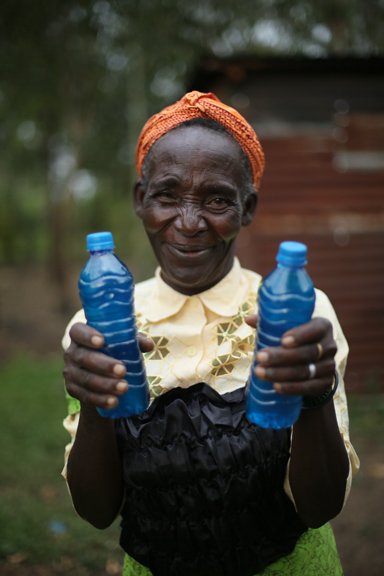
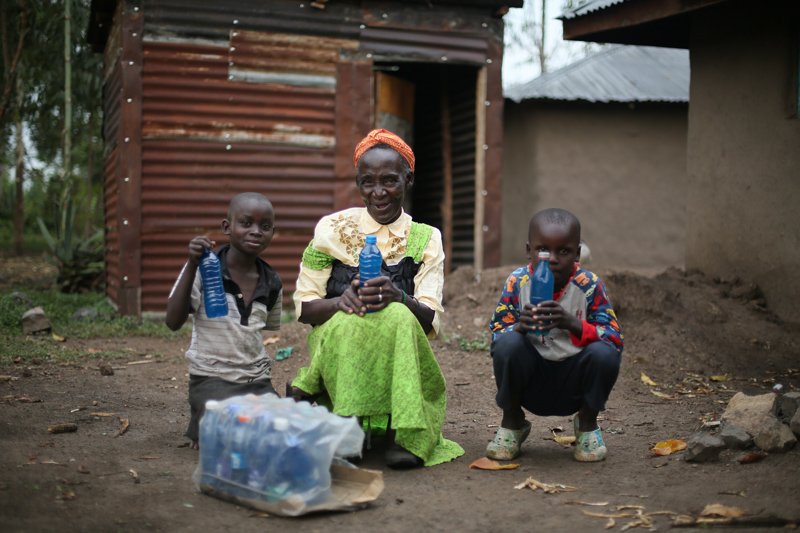
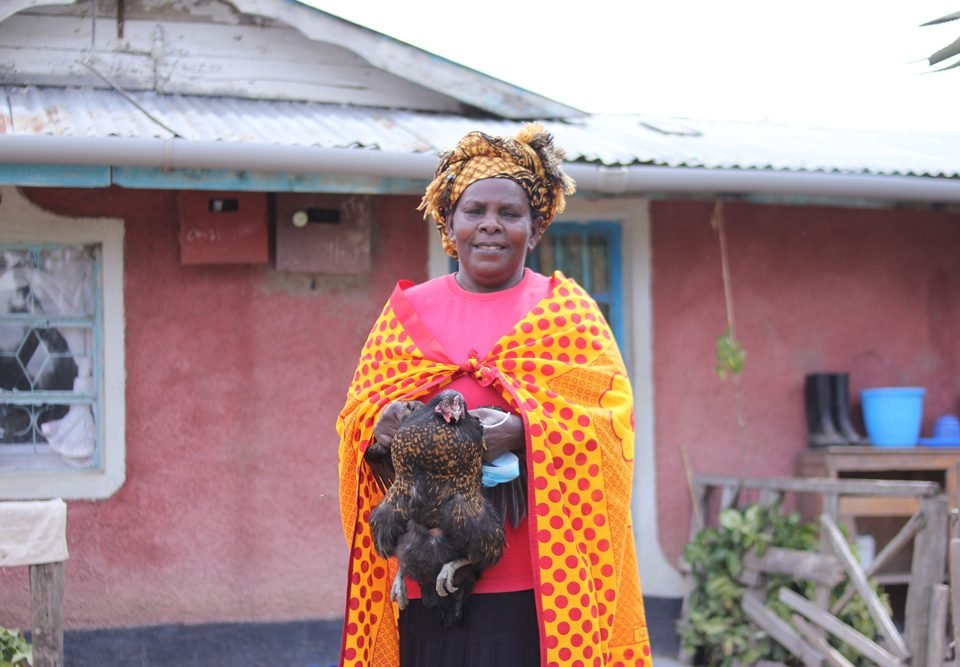
“I was among those who received training and I now sell 20 liters in one week. Each liter retails at Sh 60. Most of my return customers tell me, “Dayo (grandmother) you sell very good liquid soap.”
Natasha Murigu, communications manager at KCDF shares that when the pandemic happened and threw everyone into disarray, KCDF, though not a relief-based organisation had to focus on what they could do to help their community partners earn a living while managing the situation.
“We did that for about three months then we realised that the pandemic was gradually becoming our ‘new normal’. We thought of supporting Pamoja Child Foundation scale up with a long-term goal guided by the lessons from the emergency response,” she offers.