


KCDF Annual Work Planning Workshop 2025
July 9, 2025
KCDF Newsletter, June 2025
July 21, 2025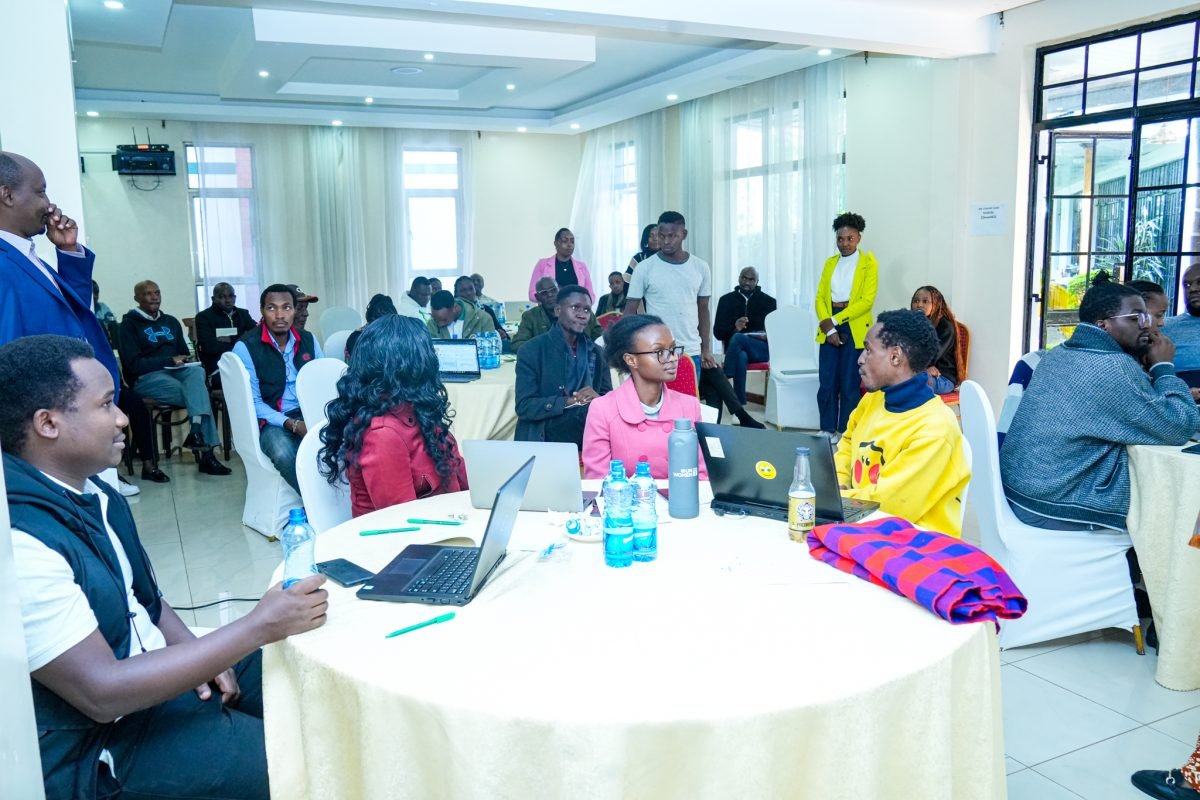
From 9th to 11th July, KCDF held two workshops, a two-day capacity strengthening workshop that brought together partners in the Fundbuilders Matching Grant Programme and the Young Environmentalist Innovation Challenge (YEIC) Round 1 and another two-day onboarding workshop for the Finalists of the YEIC Round 2.
The objective of the workshops was to enhance the institutional capacities of participating organisations to ensure long-term sustainability, improved impact, and accountability.
The workshop with the YEIC Round two finalists was to support them to refine their budgets and workplans for implementation.
Speaking during the introduction session, Caesar Ngule, KCDF’s Programmes Director, warmly congratulated the second cohort of YEIC awardees. He noted that reaching this stage was a significant achievement, as it demonstrated that their projects were exemplary and they stood out uniquely among hundreds of applicants. He affirmed that this year, KCDF would award 10 organisations and two individuals for the second cohort of YEIC, further reflecting the foundation’s commitment to supporting grassroots innovation and environmental solutions.
Mr. Ngule also emphasised the importance of the capacity strengthening workshops, highlighting that these sessions were designed to help the awardees produce quality reports and utilise the funds effectively for organisational growth and greater community impact.
He encouraged participants to communicate their work with transparency and integrity, stressing the need to attribute KCDF’s support fairly, not through exaggeration, but in a manner that genuinely reflects the foundation’s contribution to community transformation.
His message emphasised the value of authenticity in partnership and the shared responsibility in ensuring the success and visibility of funded initiatives.
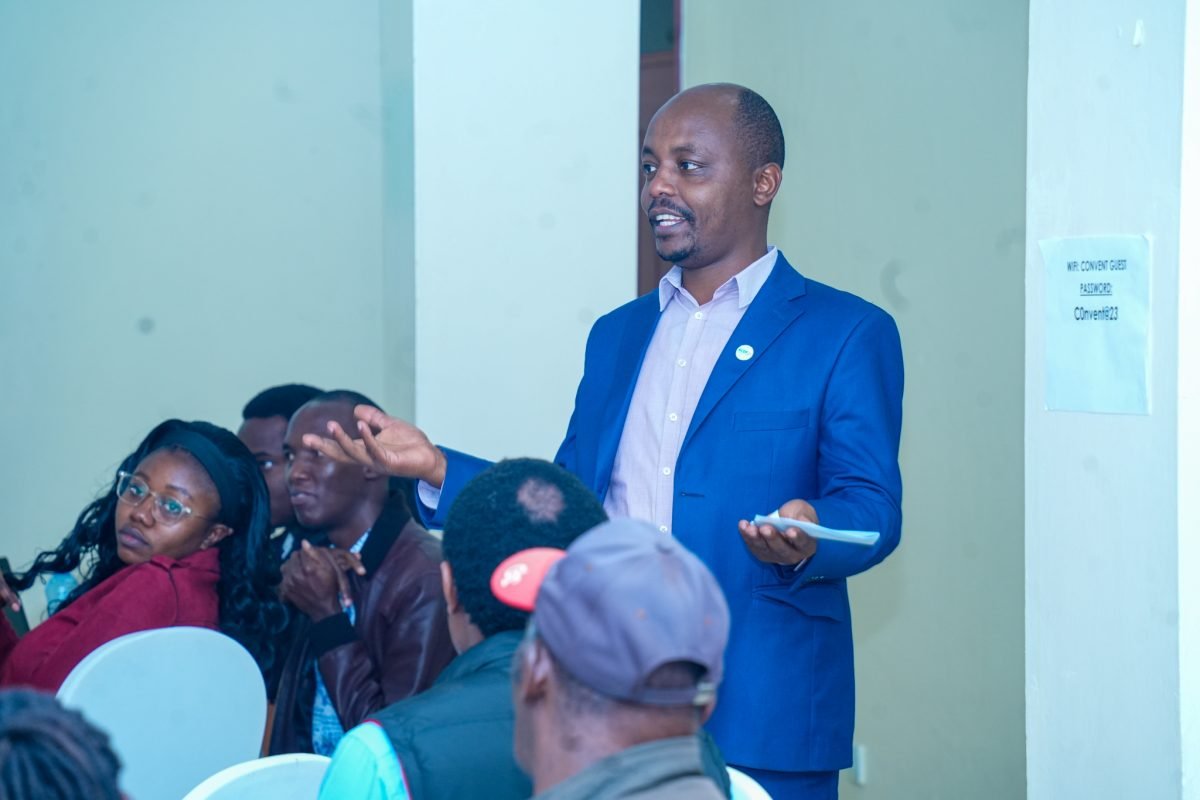
The workshop focused on four key areas critical to developing community-based organisations: communications, monitoring and evaluation (M&E), budgeting, and financial systems. Each topic was explored in depth with practical guidance and peer learning.
One of the central discussions revolved around organisational communications. Led by Boniface Mutinda, KCDF’s communications manager, participants were taught how to effectively communicate their mission, and values and impact internally and externally. The session emphasised the importance of developing a clear communication strategy aligned with organisational goals. It also highlighted how tools like social media, newsletters, and storytelling can be used to build visibility and trust with stakeholders. The importance of maintaining consistent messaging and managing public perception, particularly during crises, was also underscored.
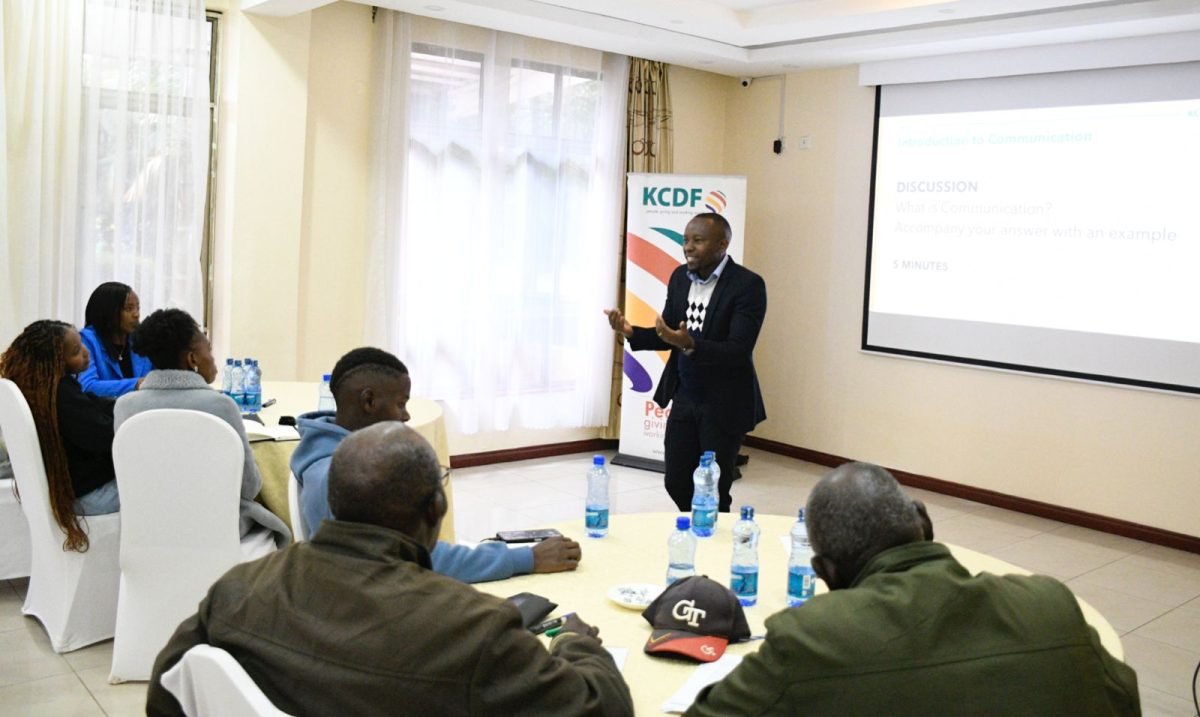
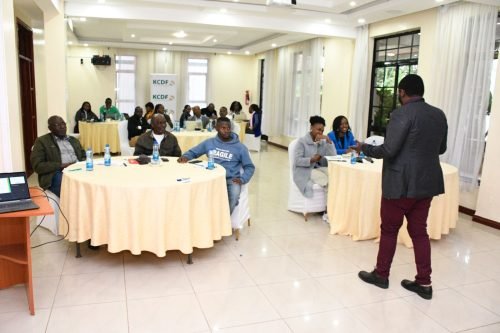
The workshop also delved into monitoring and evaluation (M&E), a core component for assessing programme effectiveness and organisational learning. Led by Gabriel Kihara, KCDF’s MEL Team Lead, participants were trained on how to design strong M&E systems, including setting SMART (Specific, Measurable, Achievable, Relevant, Time-bound) objectives, developing logical frameworks, and employing effective data collection methods. The trainers emphasised the value of using M&E data to inform decisions, improve implementation, and demonstrate impact to donors and communities. Another important session was on highlighting areas of gaps in YEIC 2 innovations as well as gaps organisations governance and systems to inform capacity support to be provided to the finalists during implementation.
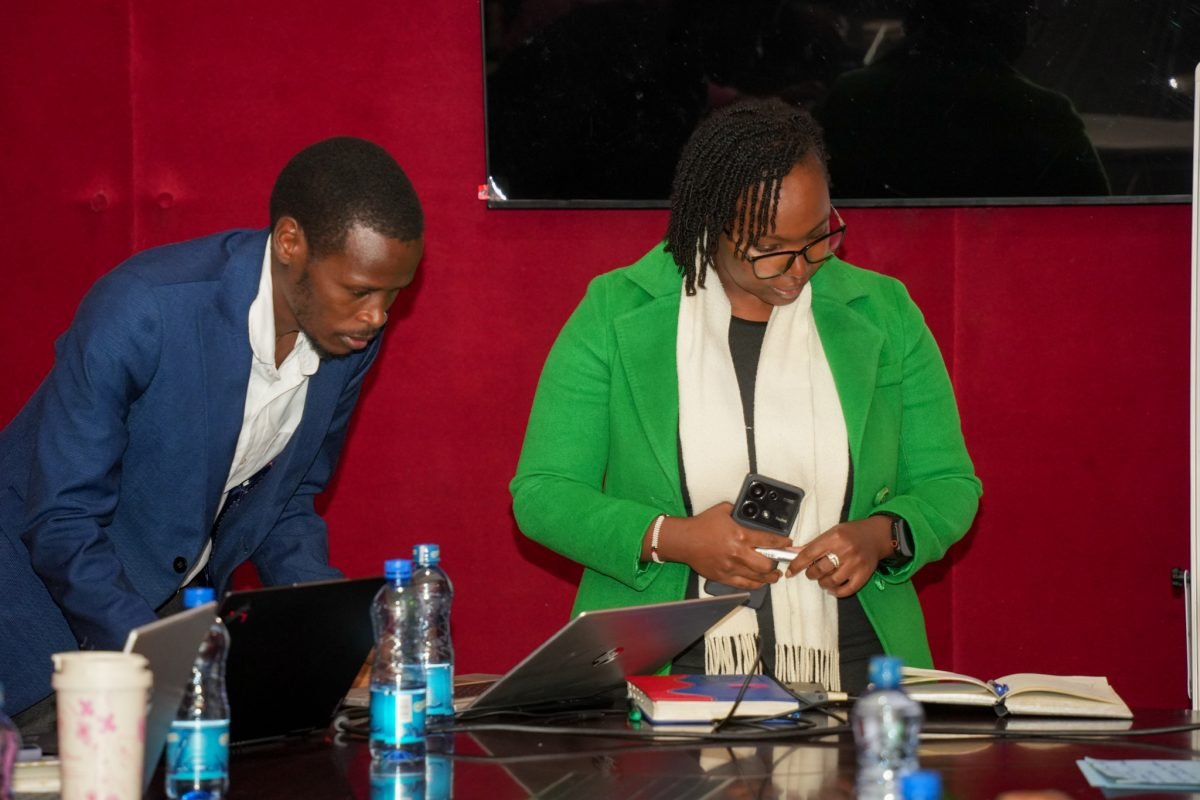
Another critical area of discussion was budgeting. KCDF’s Finance Team including Fidelia Atolwa, Hillary Lagat and Purity Wambui, equipped participants with skills to develop realistic and strategic budgets that reflect their organisational priorities. Participants learned how to forecast income and expenditure, identify potential funding gaps, and write budget narratives that align with donor requirements. Good budgeting practices were presented as essential for programme implementation, financial accountability, and sustainability.
The final major topic covered was the establishment of strong financial systems within organisations. The sessions focused on robust internal controls, clear financial policies, and regular financial reporting. Organisations were encouraged to implement sound accounting systems, conduct regular reconciliations, and ensure compliance with both internal policies and donor requirements. Participants were reminded that proper financial systems are foundational to gaining and maintaining funder confidence.
Overall, the training highlighted the importance of integrated systems, where communications, M&E, budgeting, governance, risk management and financial management work together to support effective service delivery. It reinforced KCDF’s commitment to strengthening grassroots organisations and promoting sustainability in the civil society sector.
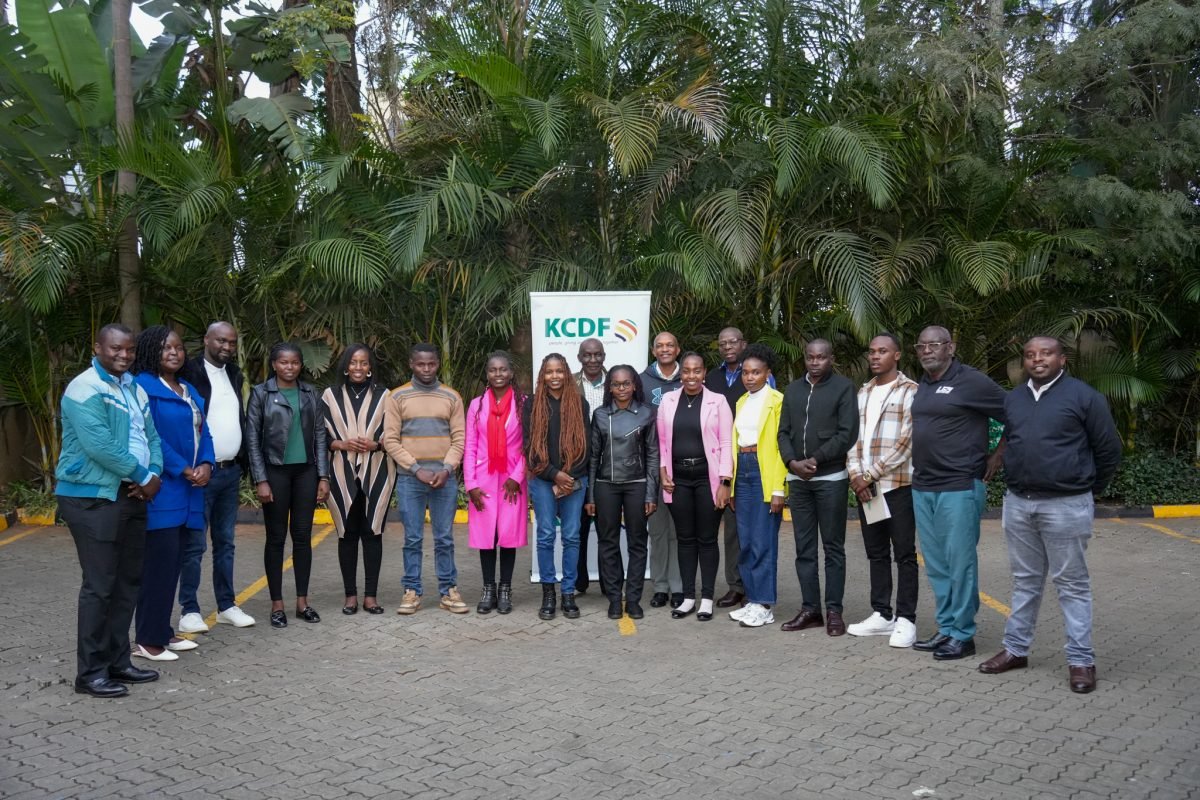
Key lessons from the training include the importance of transparency and accountability in organisational operations, the need for strategic planning and evaluation, and the value of continuous capacity building. The inclusion of the Young Environmentalist Innovation Challenge awardees also emphasised the critical role of youth in environmental conservation and innovation, showcasing KCDF’s broader commitment to youth empowerment and sustainable development.
This training served not only as a learning opportunity but also as a space for peer exchange, reflection, and planning for future growth and impact.
#Capacitystrengthening #Communityleddevelopment #Enablingenvironment #Institutionaleffectiveness #MonitoringandEvaluation