



KCDF’s partners undergo training on local fundraising
November 8, 2024
Strengthening community foundations for sustainable development.
November 21, 2024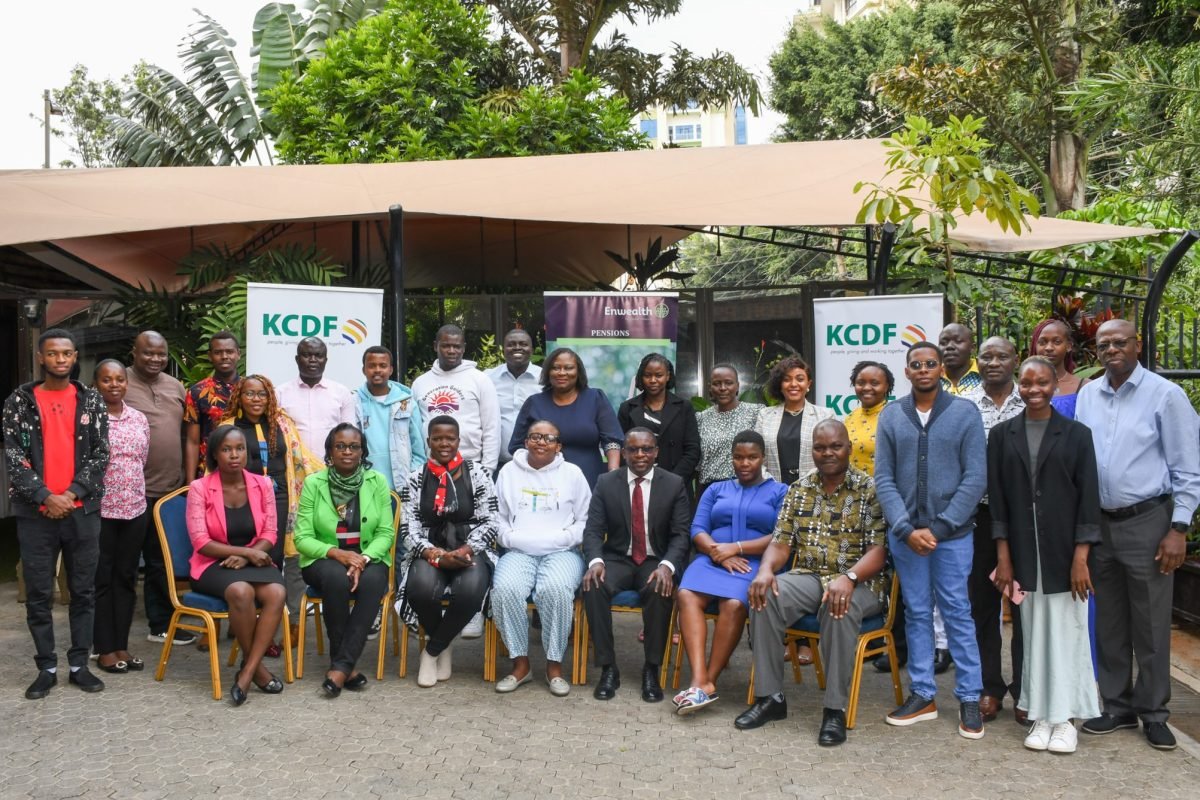
On the 12th and 13th of November 2024, KCDF hosted comprehensive training sessions focused on the establishment and management of endowment funds for Civil Society Organizations (CSOs). The training which had 29 representatives from 13 CSOs countrywide, provided invaluable insights into the governance, financial planning, risk management, and legal aspects of endowment funds, equipping participants with the knowledge needed to ensure the long-term sustainability of their organizations.
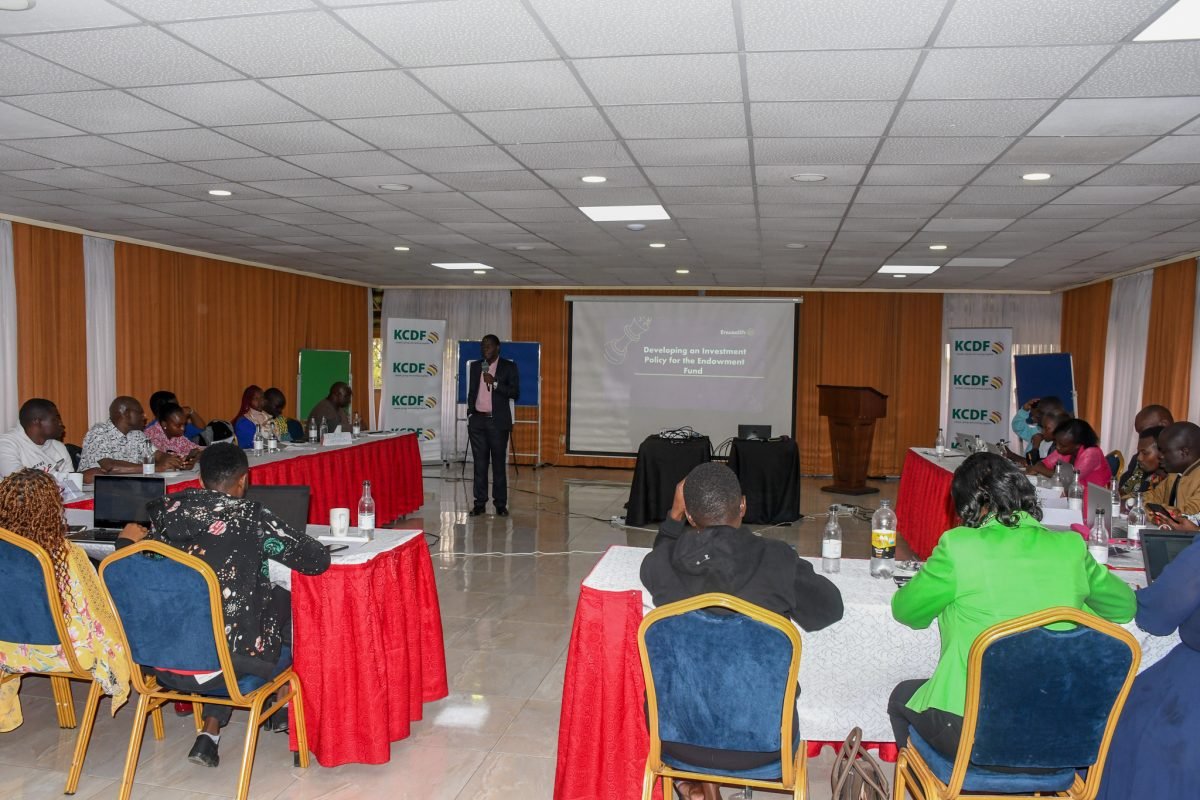
An endowment fund is a pool of money invested to generate income, typically used by organizations like universities, nonprofits, or foundations to fund ongoing activities and ensure financial stability over the long term. The principal amount, or the core investment, is usually kept intact, while only the income generated from the fund is spent. This structure allows the endowment to support the organization indefinitely, as it provides a sustainable source of funding.
Endowment funds are often managed with a specific purpose, like scholarships, research, or community programs, and they can be built through donations, grants, or other contributions. CSOs were taken through the key processes of establishing an endowment fund.
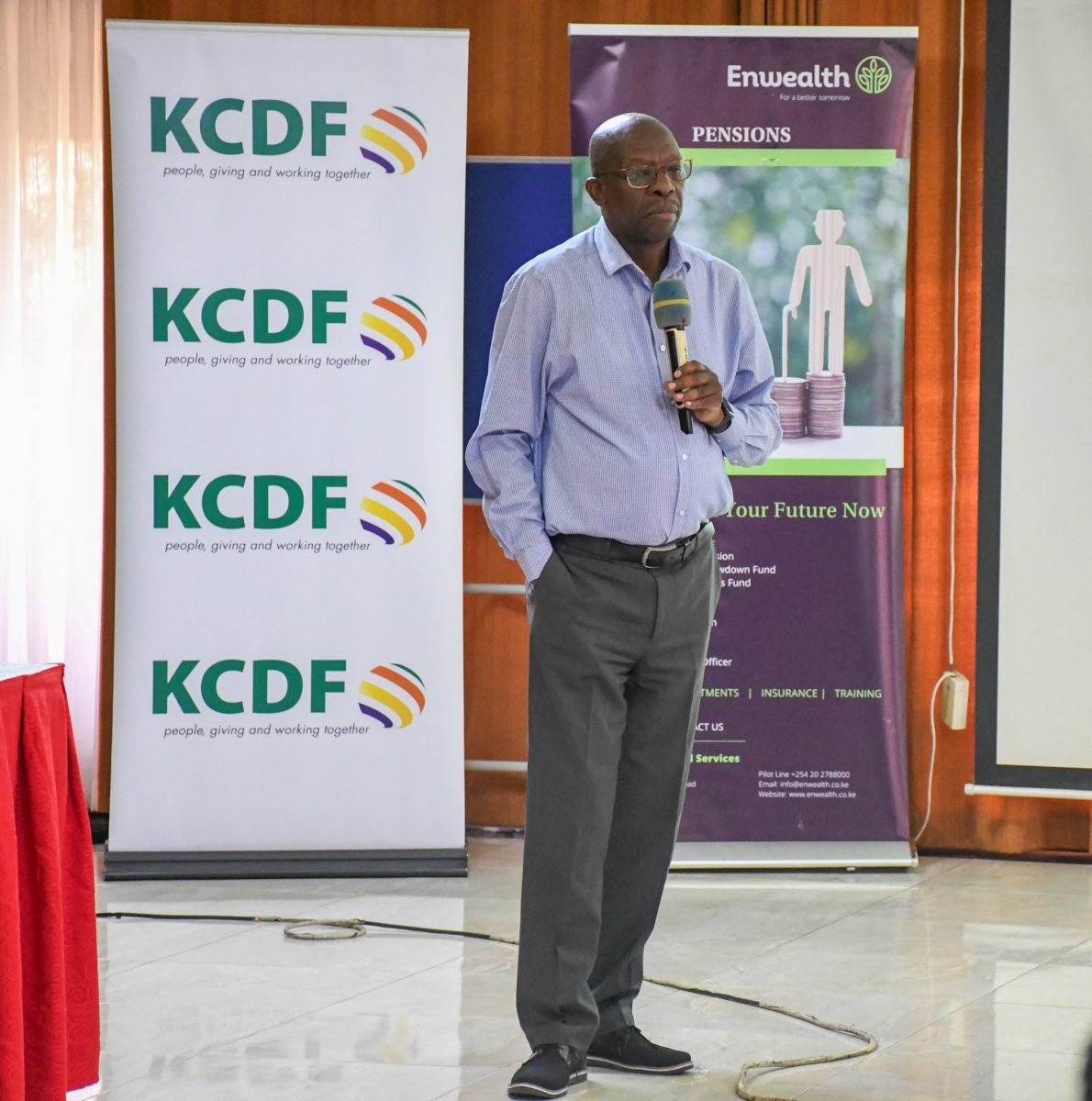
Below are the key highlights and takeaways from the training:
- The governance structure of an endowment fund is vital for ensuring its growth, proper management, and alignment with the organization’s mission. A well-structured board is essential to the success of an endowment fund. Board members should have a clear understanding of their roles and responsibilities, particularly in overseeing the fund’s operations and ensuring financial transparency.
- Investment accounting and tax compliance are integral to effectively managing an endowment fund. The fund’s operations must adhere to local tax laws and regulations to maintain its legal standing and protect its tax-exempt status.
- An essential aspect of managing an endowment fund is understanding and mitigating the risks associated with its investments. Among the risk factors to consider are; market risk, liquidity risk, and credit risk.
- Diversification of assets is a means of mitigating risks, to reduce exposure to any one asset or sector.
- In Kenya, for example, endowment funds must comply with the regulations set by the relevant government bodies, such as the Kenya Revenue Authority (KRA). Organizations must ensure their fund is registered as a charitable entity to benefit from tax exemptions.
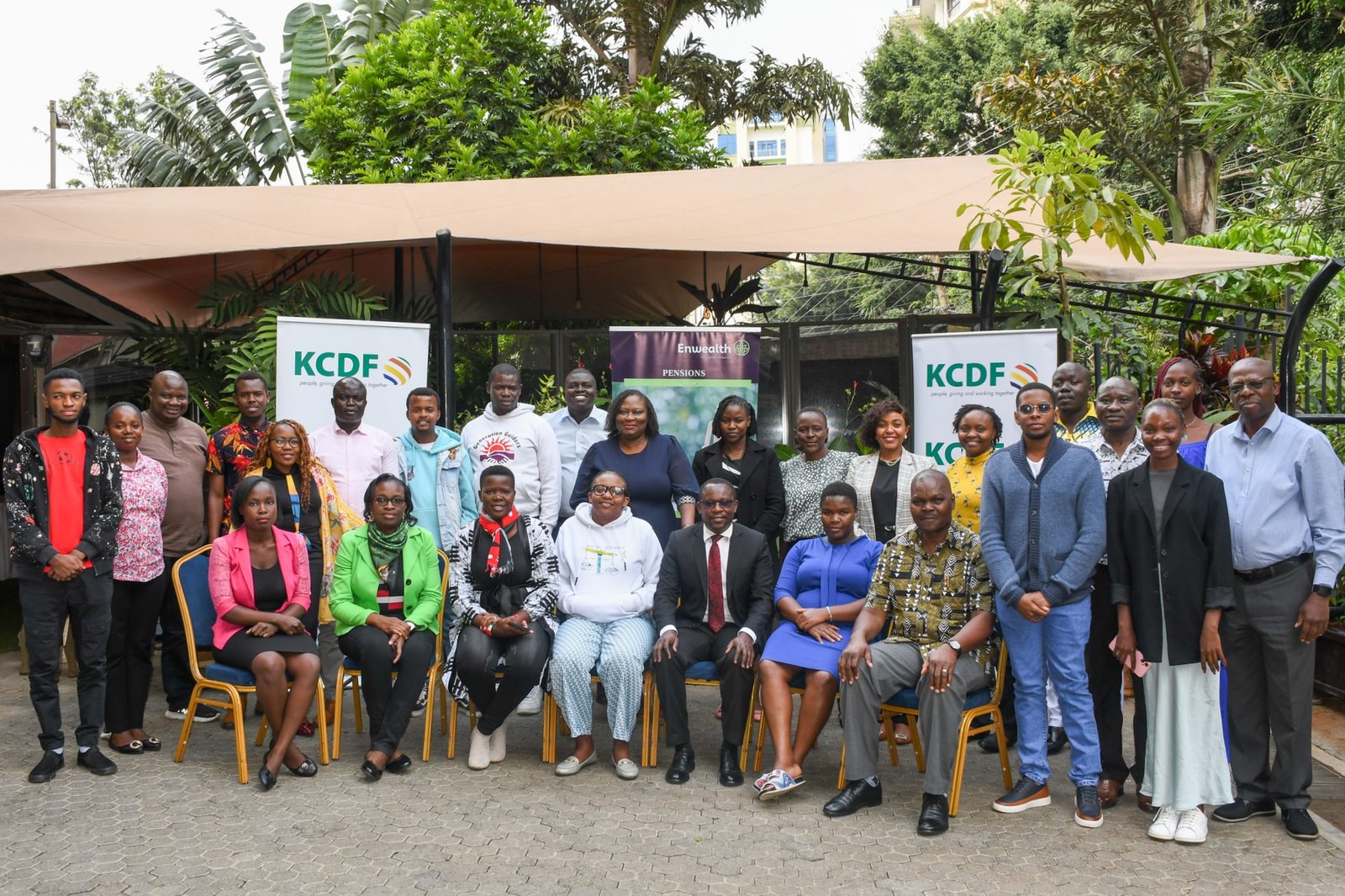
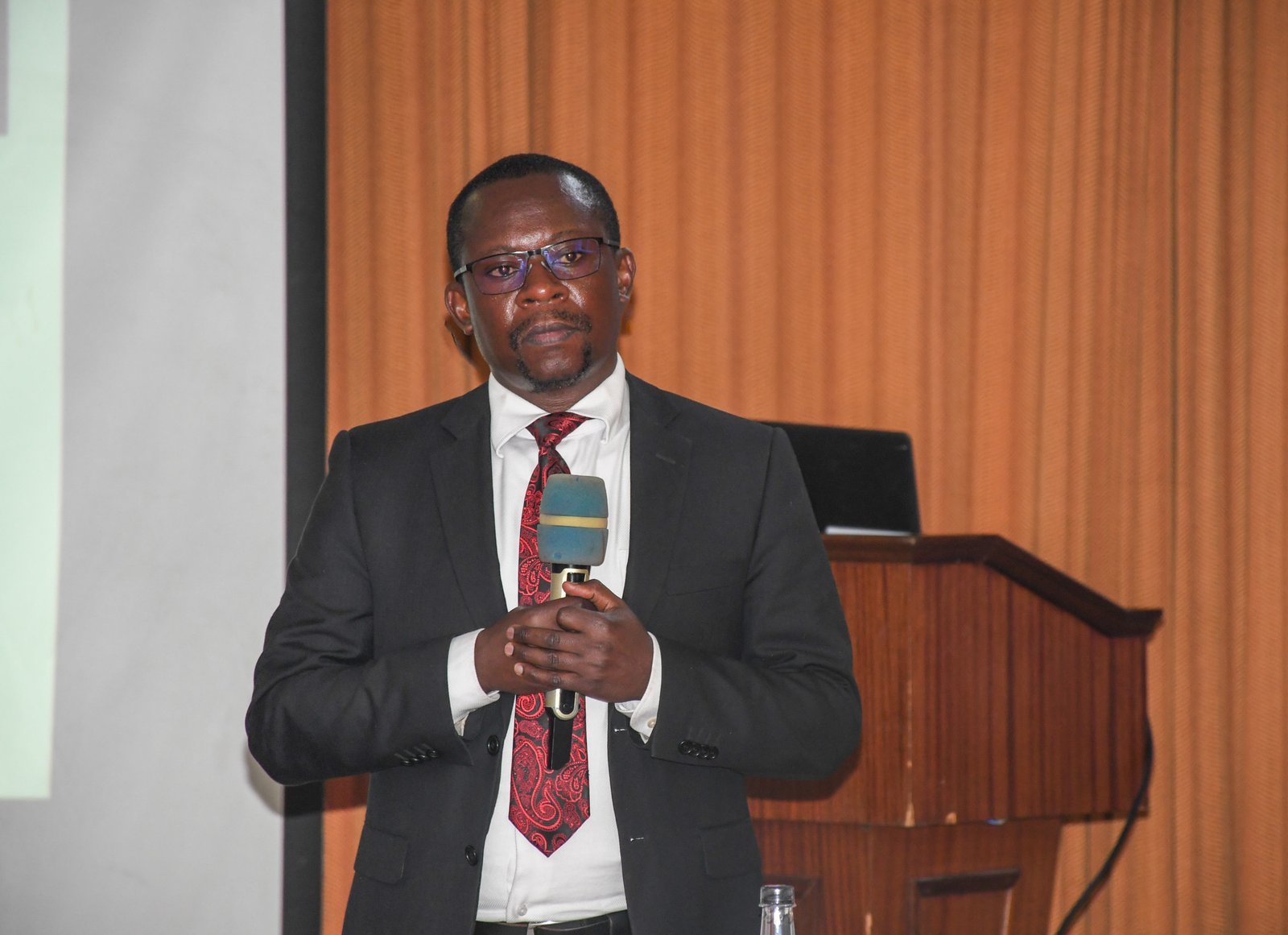

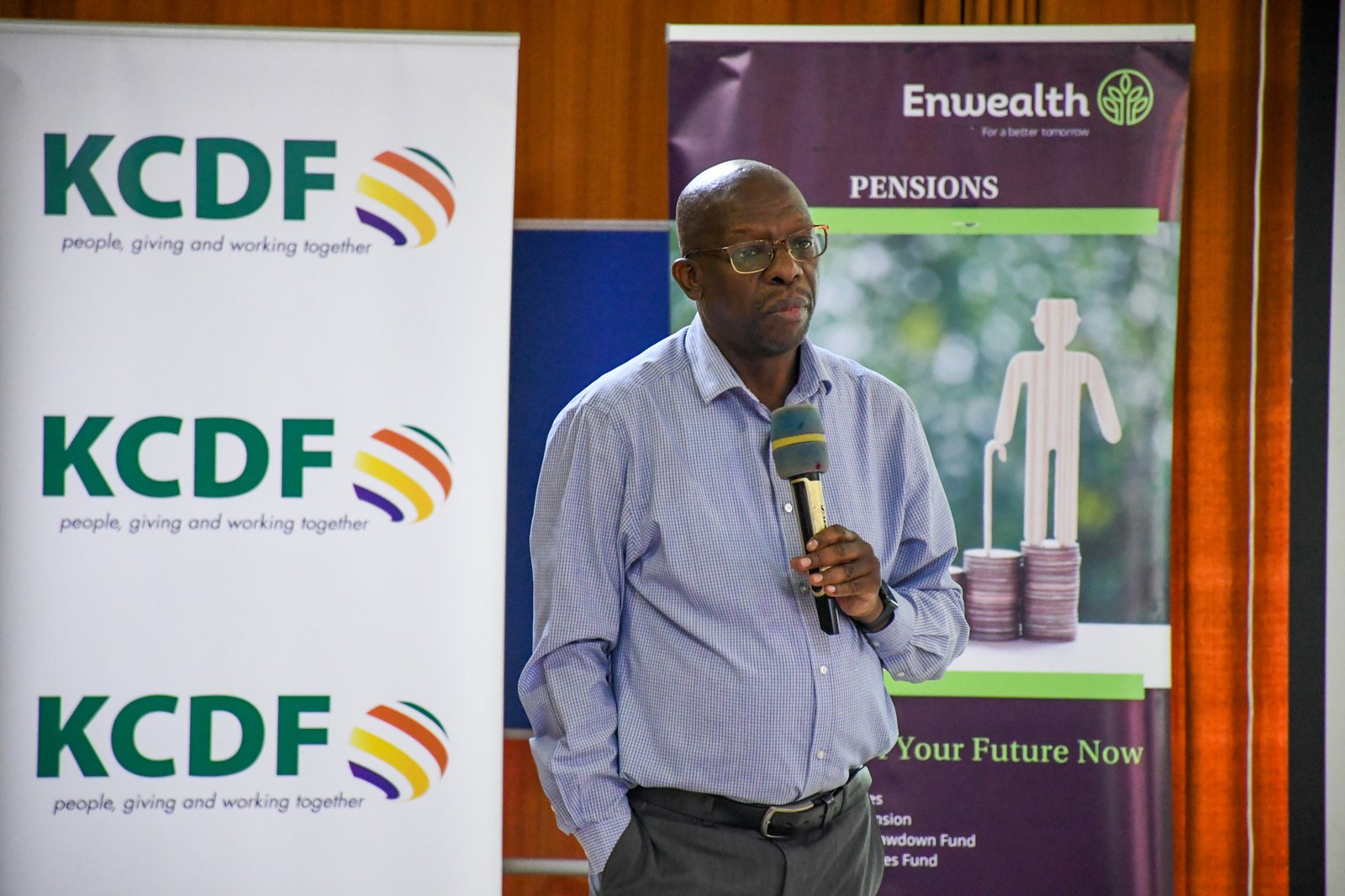



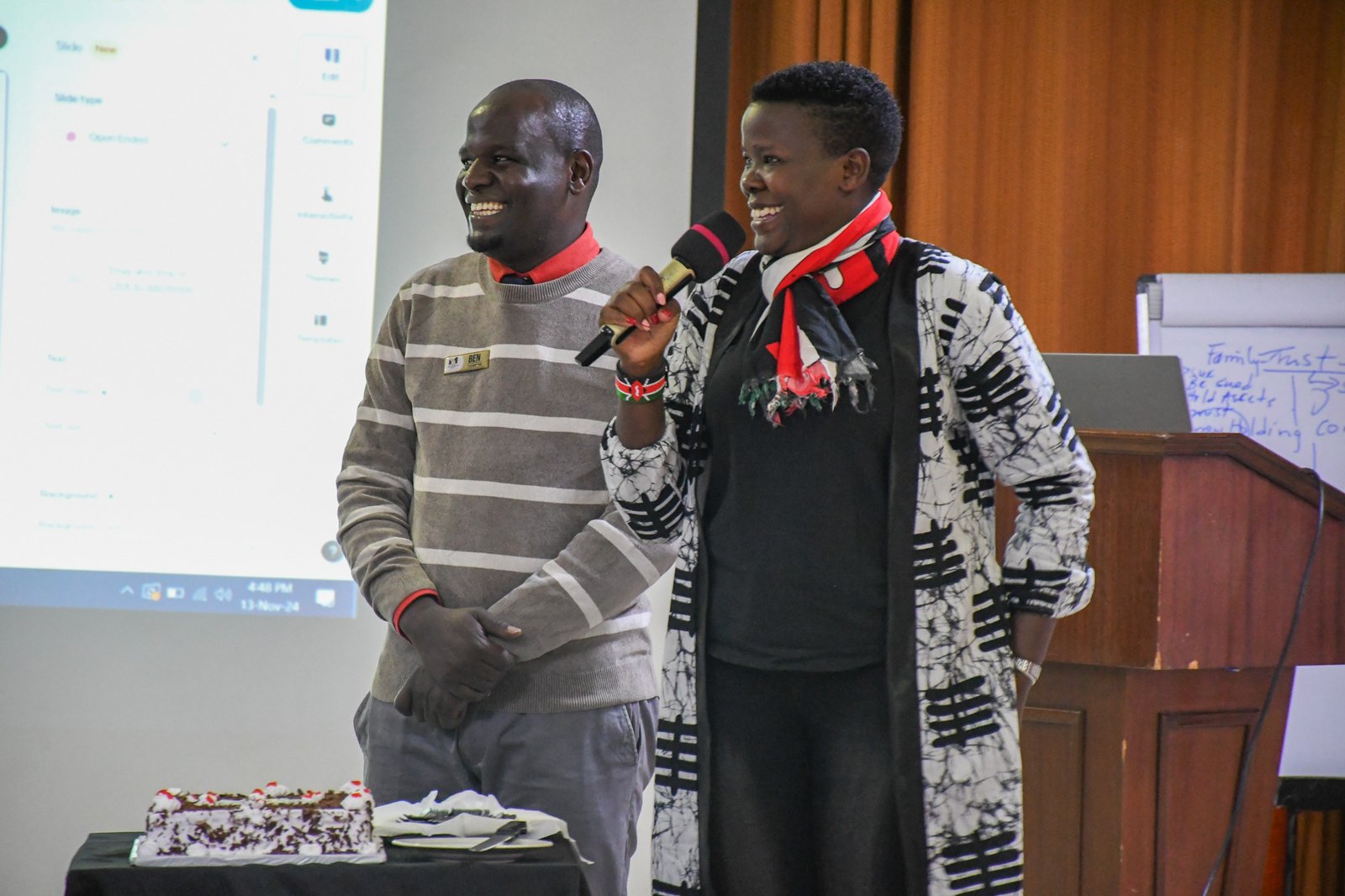
Generally, the training emphasized the importance of endowment funds for CSOs in ensuring long-term financial sustainability. By understanding the governance, risk management, investment policies, and legal requirements, organizations can build endowment funds that are financially sound and aligned with their mission and values. The training provided practical tools and frameworks for CSOs to confidently embark on this journey and create lasting impact in their communities.
#EndowmentFunds #CSOsempowerment #FinancialResilience #CapacityBuilding