



Promoting Economic and Social Empowerment for Women in Kilifi
August 2, 2024
Dozens of groups turn Covid-19 emergence response into long term projects
August 3, 2024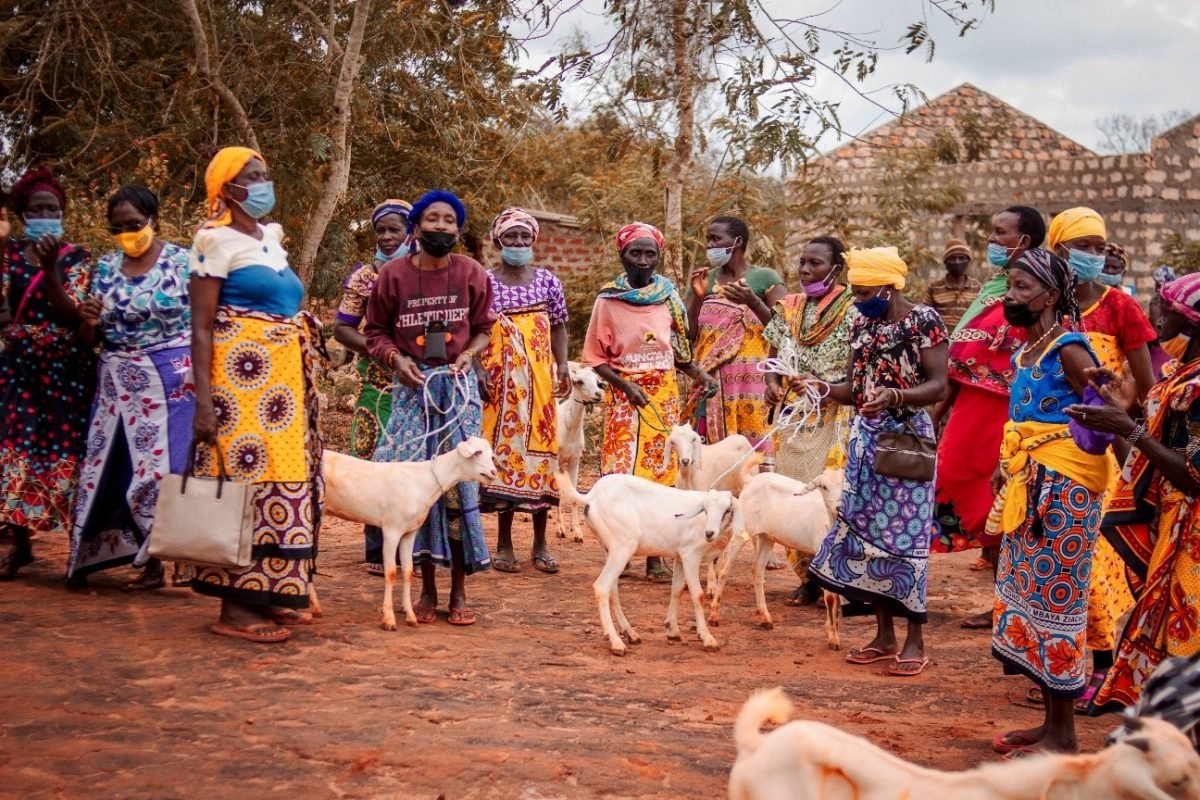
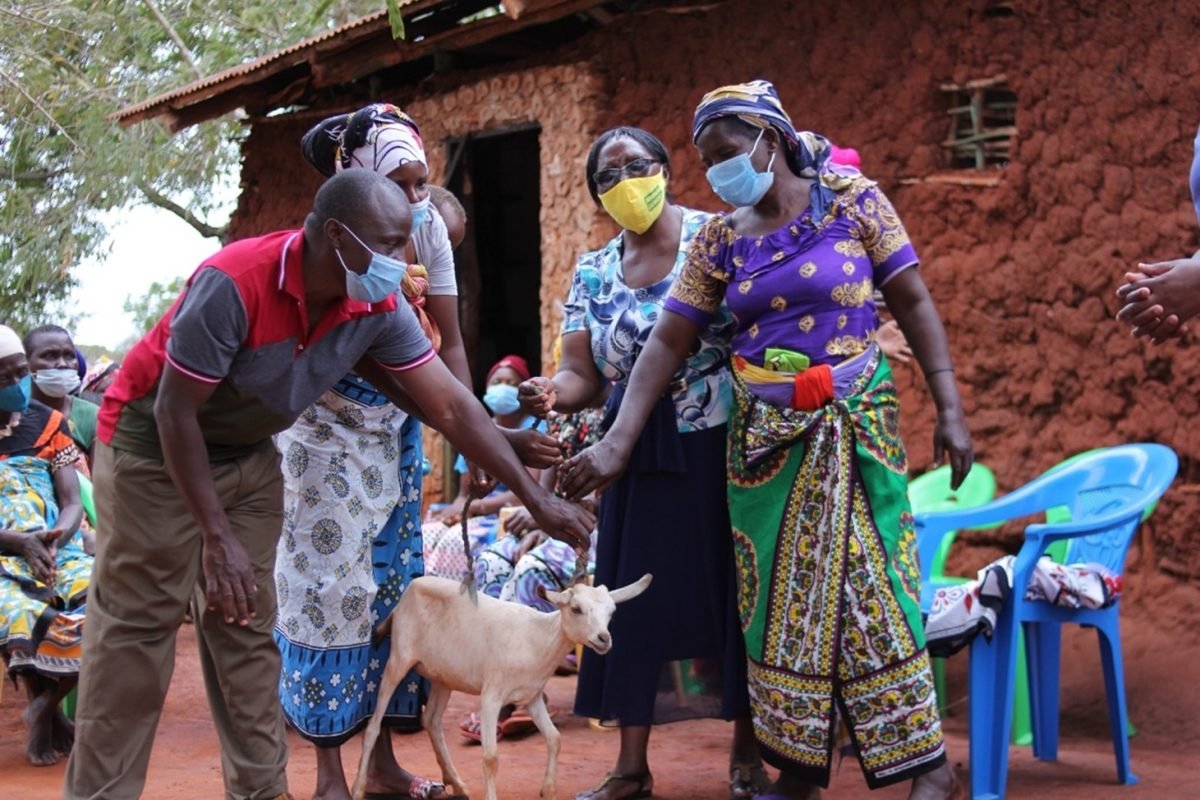
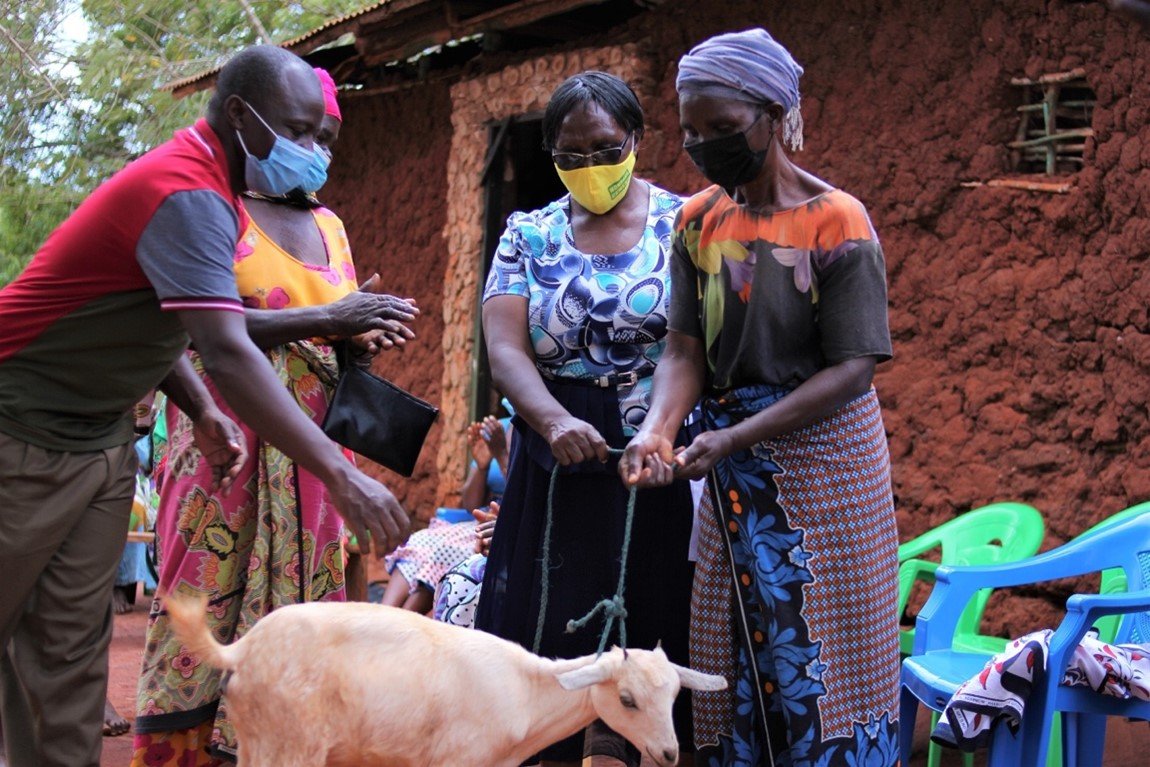
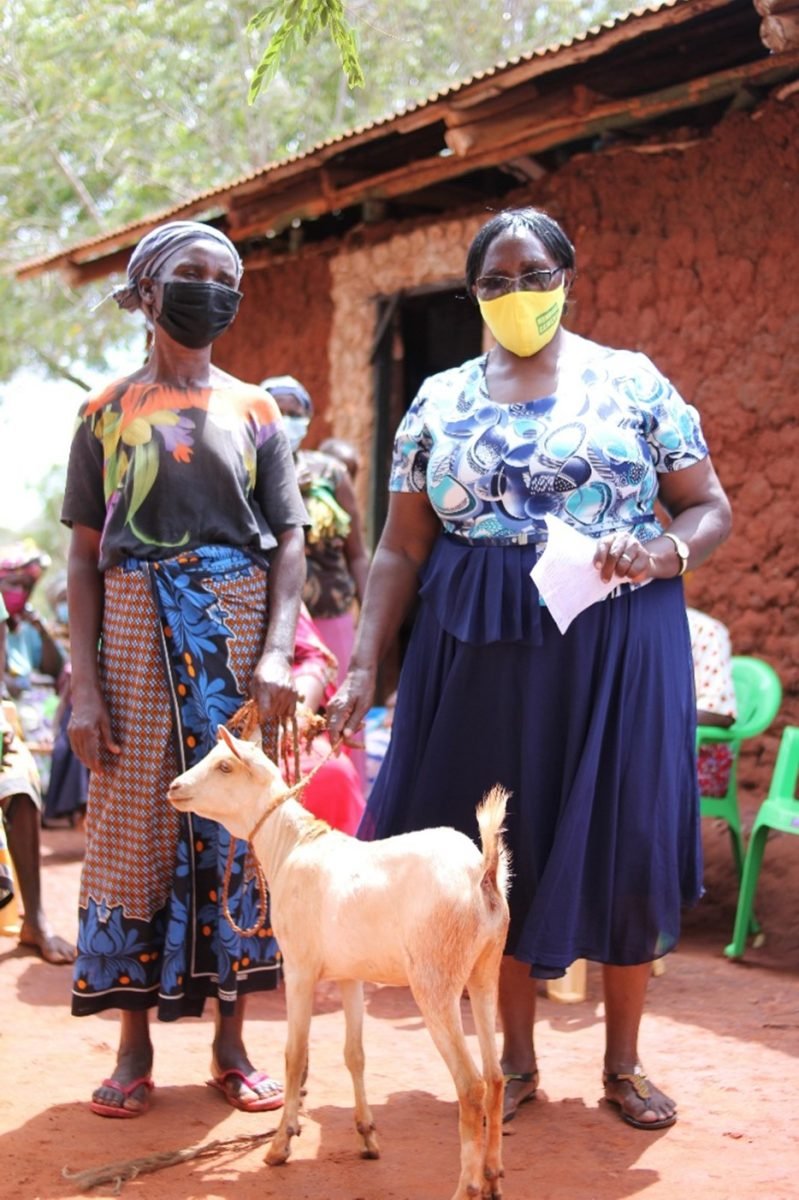
At the event, Rael Bahati, Kahasa Karisa, and Everlyn Shadrack, were each, gifted members. She says that she has received training on goat breeding, how to prepare their feed during drought and whenever it rains. “I have also been trained on how to clean them and check for diseases,” said Ms Kabongi.
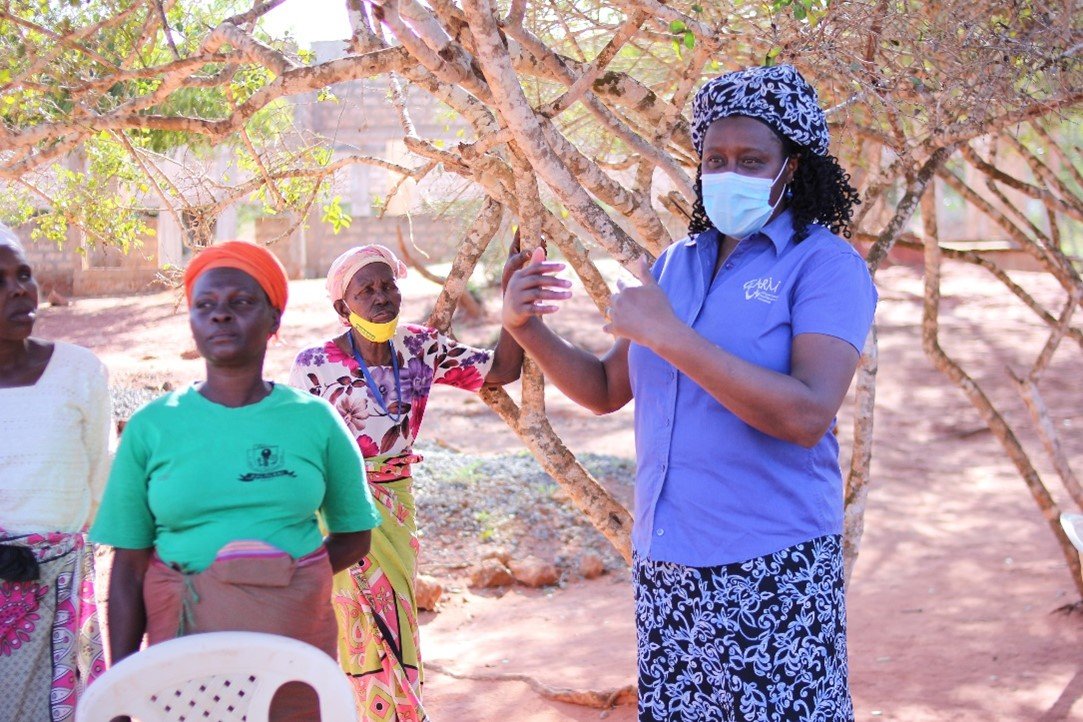
This was not a new occasion in their neighborhood, but it was a spectacular event that also attracted the attention of the local administration and county government officials.
Bendera Tuvakonde is a mother of 10 and a beneficiary of the Galla goat project. She now has four goats. “I am rearing and breeding them so that they can grow and assist me to raise school fees for my children.”
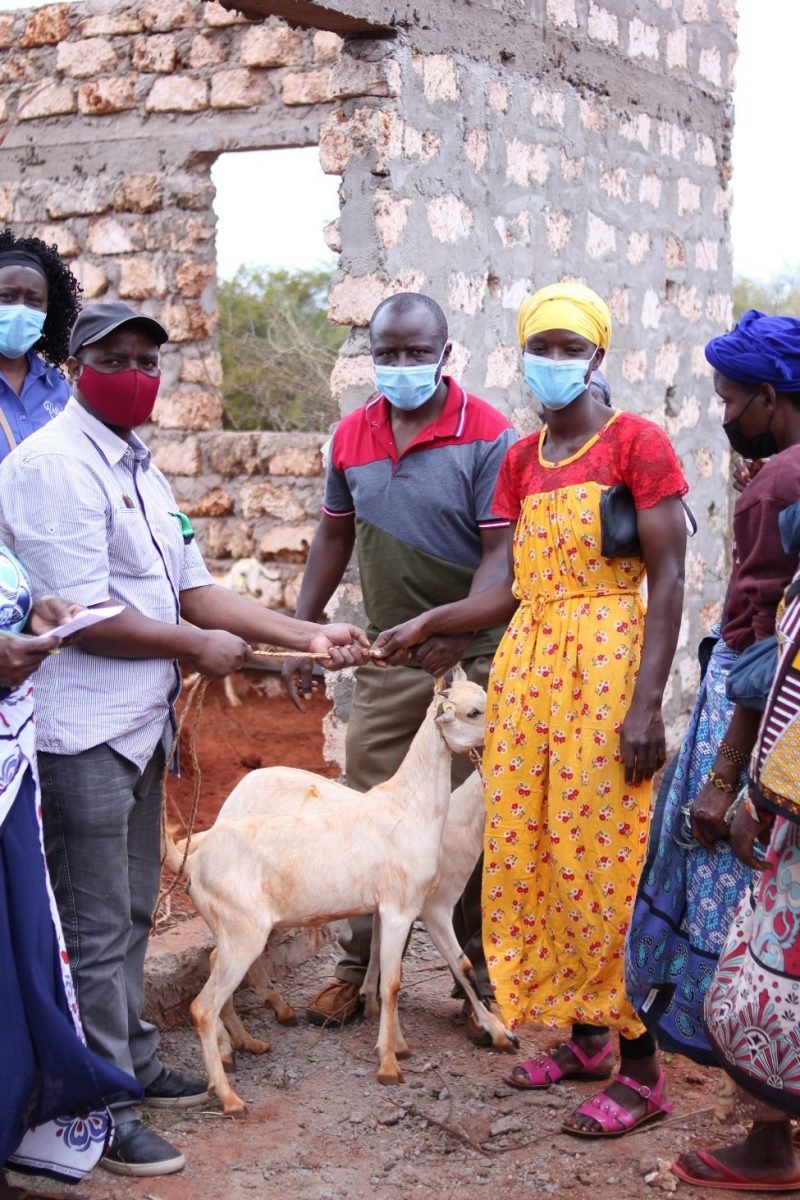
Juma Kaingu Masha, a 53 year-old widow and mother of eight say that she decided to join the Neema Alarm group because “it has forward-thinking women.” She was granted a goat which has now given her five more goats. “I have sold some to pay for school fees. I am still breeding them. I hope to rear the goats for commercial farming.”
n Dzikunze, the Huduma Alarm Women group, members granted each other three goats. Safina Kwekwe Kitsao, Patricia Charo, and Priscilla Masha received a goat each. According to Rachel Mutai, the Country Director at Alarm Kenya, the group has been gifted 40 goats as part of the KCDF post COVID-19 recovery for livelihoods project supported by Comic Relief, but they are waiting for the drought situation to improve so that they can be handed over to the members.
Mary Muthoka, Chairperson, Neema Alarm, Matano Manne, Kilifi County lauded KCDF and Alarm Kenya for giving women at the county a new lease of life. “This goat that we gift each other is not just a goat. Women are getting empowered to run farming as a business, to educate their children and lives are changing.” The Neema Alarm women’s group started in 2015 in Kilifi town as a ministry for pastors’ wives and spread to Matano Manne in the interior of Kilifi County.
Drought Resistant Galla Goats Project a Viable Venture in Kilifi
Mr. Patrick Chikari, the Ministry of Agriculture and Livestock, Livestock Officer at Ganze sub-County in Kilifi says the partnership between Alarm Kenya and the Kenya Community Development Foundation (KCDF) has come in handy as the Galla goat’s species are drought resistant breeds, suitable for Kilifi environs due to the hot harsh environment.
“Thanks to this partnership by Alarm Kenya and KCDF, the Kilifi County Livestock Department has trained these women groups on the construction of appropriate goat housing structures, feeding for better produce, and how to identify and curb diseases. We always advise whenever they identify diseases, and when their animals are ready for the market so that they can fetch the best prices. I appreciate the collaboration with government agencies to support these women in uplifting their lives” Mr Chikari explained.
The Kes. 2,282,000 project financed by KCDF in partnership with Comic Relief has had a huge impact in the community. “That female goat that each woman receives reproduces three times every two years. Within one-and-a-half years, one Galla goat is able to fetch Kes. 4,500 and beyond two years it is able to fetch Kes. 7,000 and Kes. 10,000 depending on its size.”
The Galla goat is a seed and carries with it a huge socio-economic value to transform households. Apart from the goat producing meat and milk, kitchen gardens also benefit from goat manure, he added. “This is a viable project that empowers women to educate their children, and to grow their small businesses,” shared Mr Chakari.
According to the area chief, Edward Kahindi, the initiative is uplifting the lives of households in Vitengei location, Matano Manne. He applauded the show of unity by women in the area by granting each other goats to beat their socio-economic challenges. “This drought requires a lot of innovation so that households gain economic value,” said Mr Kahindi.
Climatic change is a reality in Matano Manne and the rampant drought in the area has severely affected food security, Mr Kahindi noted. This has led to water scarcity and livestock herders are walking for long distances in search of water. “There have been social conflicts as herders from Somalia invade our area with their cows and camels. It is a dire situation as already what we have is not sustainable for our livestock,” Mr Kahindi said. There are a few boreholes in the area but they only have hard water.
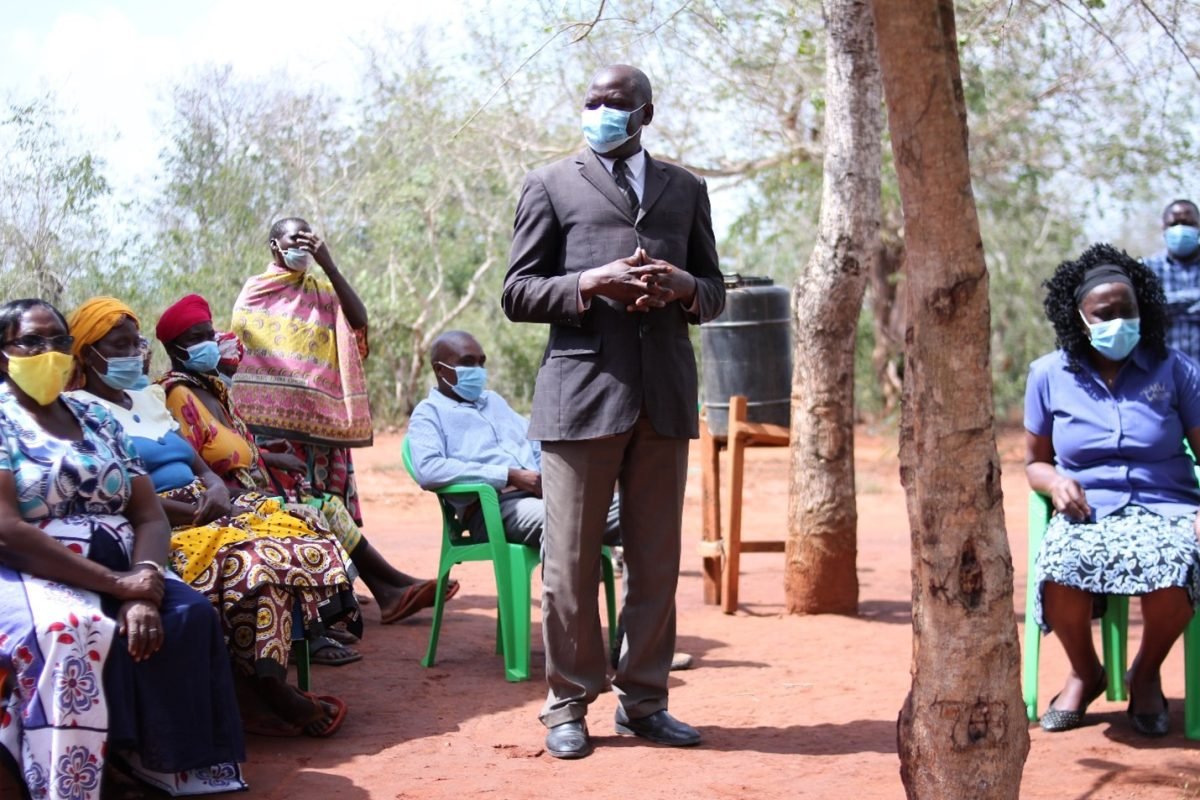
According to Peter Warui, the Livelihoods and Environment Coordinator at the Kenya Community Development Foundation (KCDF), Galla goats serve a dual purpose as they produce both milk and meat. They are also resistant to diseases and drought, thus ideal for a locality with harsh and dry weather like Matano Manne, Mr Warui added.
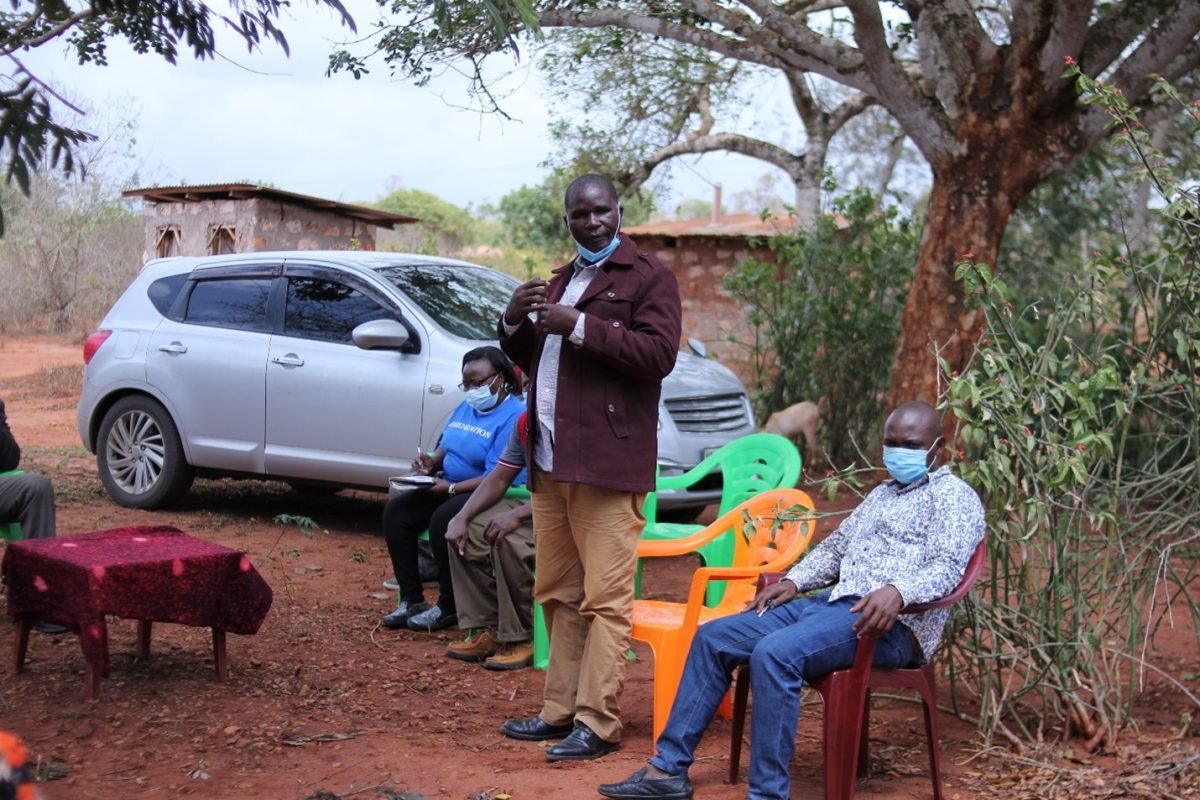
Ganze is dry and with the ensuing drought farmers lose their livestock but Galla goats tend to survive, added Mr Chikari. “Instead, they get fat as they feed even on dry leaves. The project is relevant and we have very high hopes even as a government we cannot fail. In this partnership with Alarm Kenya and KCDF, we give mineral supplements to the farmers and one or two goats to one farmer and they grant a kid to another farmer. There will be continuity and the impact will go up to infinity if well managed,” he added.
When they sell their animals through brokers in the goat market at Sokote ward, the prices get compromised. Mr Khonde advised the women to do a memoranda so that they can collectively sell their animal products. This way, he said, they will be able to weed out middlemen and benefit more because chicken and goats have got easy market access.
The invasion too has seen the transmission of livestock diseases which has seen farmers in the area lose their animals to diseases. There is need for routine checks, spraying and deworming to reduce livestock diseases, added the area chief.
“The community is not socio-economically empowered and therefore the goat project will go a long way to reduce poverty and other vulnerabilities.” The goat project is a viable venture but livestock diseases is a challenge to exotic breeds as they require more protection. He has approached the livestock department at the Kilifi County government to support farmers in his community to overcome this challenge.
According to Rachel Mutai, the Country Director at Alarm Kenya, the first group of women received Galla goats in 2017. However, the groups grew so fast and in 2020 Alarm Kenya had to source for additional funding from the Kenya Community Development Foundation (KCDF) and through the partnership 27 households in Kilifi were granted with Galla goats. The project is now scaling out to an additional 60 beneficiaries in Kilifi County. Through the project, Alarm Kenya also gifted goats to women groups in Kajiado and in Bungoma, Mathare.