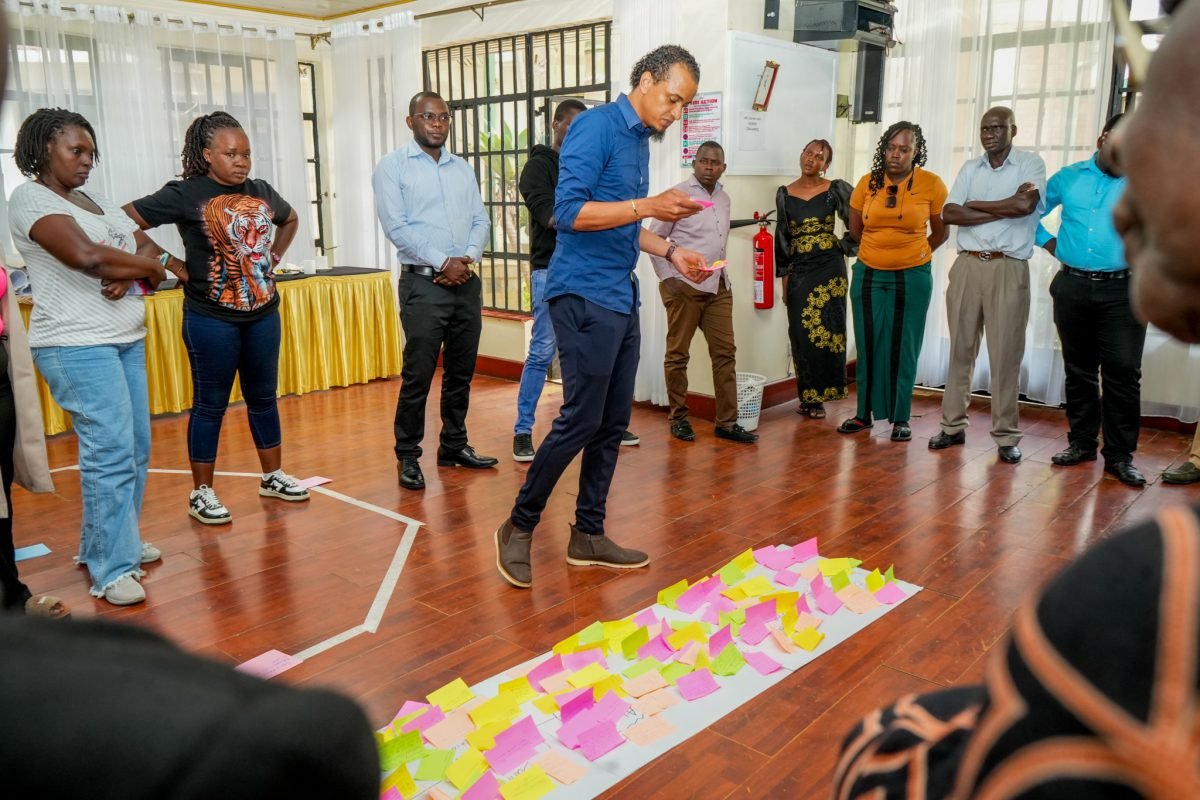
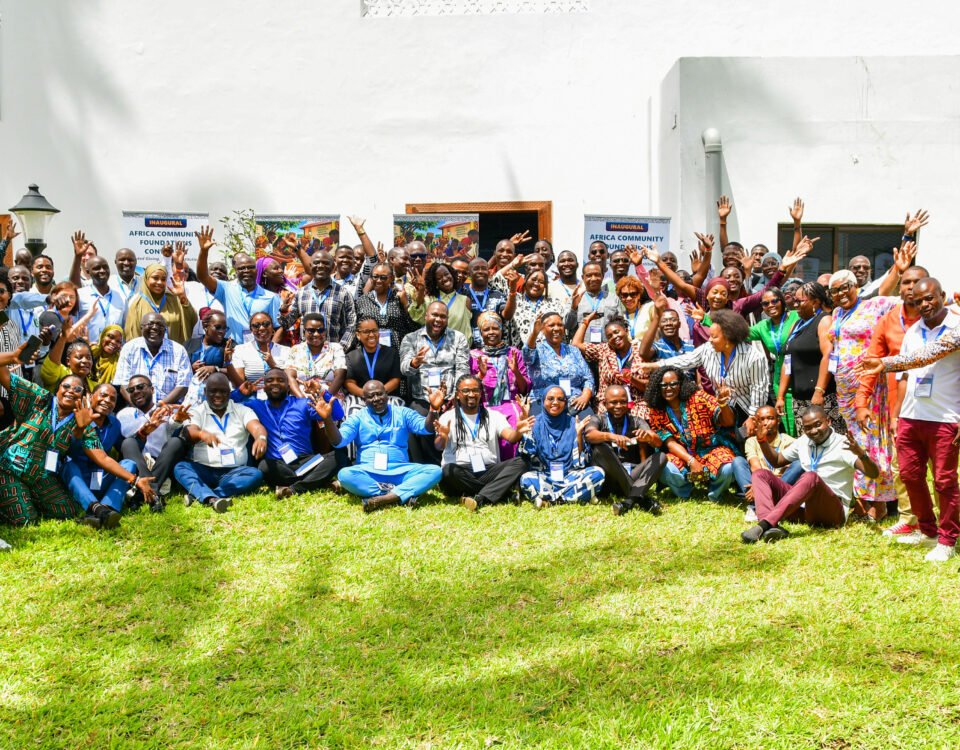
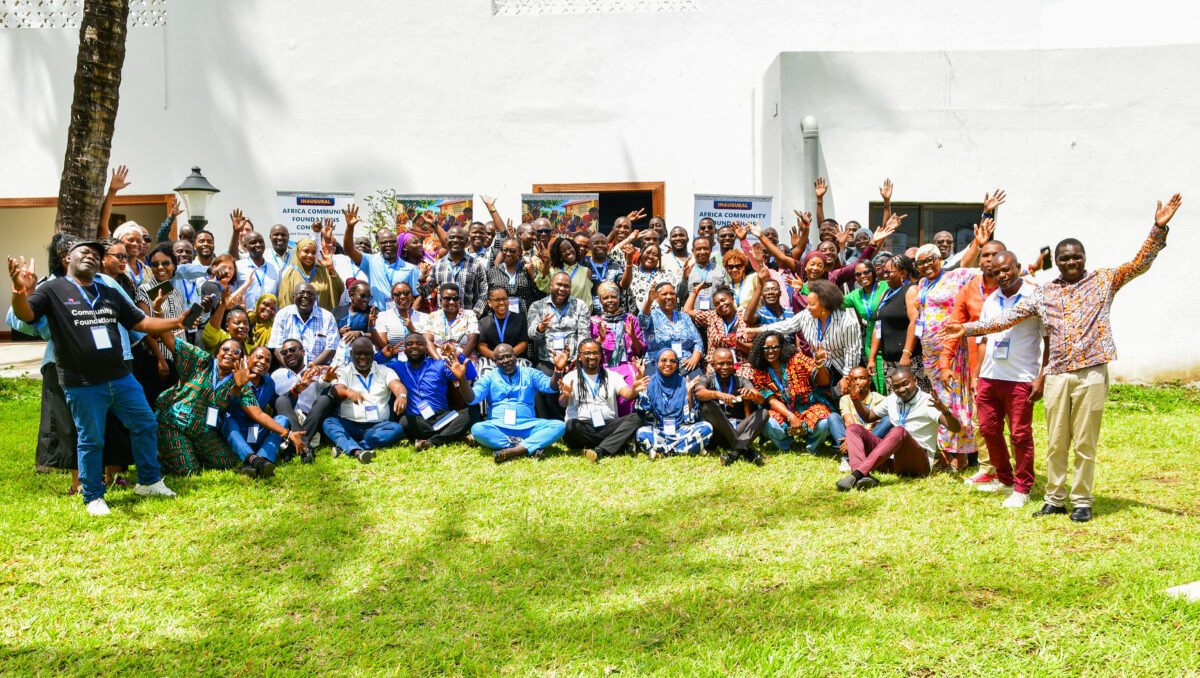
Participants being taken through a session of understanding the needs of communities and their experience with engaging the county governments
On 2nd and 3rd October 2025, KCDF hosted 20 partner organisations from across the country to deepen their understanding of strategic engagement with county governments, local authorities, and the communities they serve when advocating for development.
The session, held under the Change the Game Academy Programme allowed the participants to reflect on their experiences applying local resource mobilisation skills in real-world advocacy work.
The Mobilising Support training, offered under the Change the Game Academy (CtGA) equips civil society organisations with practical skills in lobbying and advocacy, helping them to identify key issues within their communities, develop strategic advocacy plans, and engage effectively with stakeholders, including government institutions, to influence policy and drive change. Through this training, organisations are better positioned to amplify community voices, promote inclusive governance, and contribute meaningfully to sustainable development.
This month’s training aimed to explore the successes, challenges, and key lessons learned by partners as they implemented advocacy initiatives within their communities. A recurring theme in the discussions was the challenge of building trust within the sector. Partners shared how scepticism from stakeholders and strained relationships with local authorities at times hindered progress.
Despite these challenges, the training promoted a collaborative learning space, encouraging partners to share strategies, strengthen their approaches, and reaffirm their commitment to inclusive, community-led development.
The two-day training was dynamic and interactive. It was designed to provoke thought and strengthen the partners’ capacity to navigate the complexities of working with both communities and local authorities.
Participants engaging in the simulation activity to learn about the reality of understanding community needs
One particularly impactful activity involved a simulation where participants were handed a completely wrapped item and asked to guess what was inside. The purpose of this exercise was clear: just as one cannot accurately identify a wrapped object without unwrapping it, organisations cannot truly understand the realities of a community without first listening and engaging directly with its members. It served as a powerful reminder that assumptions about community needs can be misleading and that sustainable solutions must come from the people themselves.
Participants also explored the experiential learning cycle, a framework that encourages civil society organisations to:
Observe or engage in a situation
Reflect and analyse their experiences
Extract insights that apply beyond the specific context
Apply these insights collaboratively to develop solutions with the community
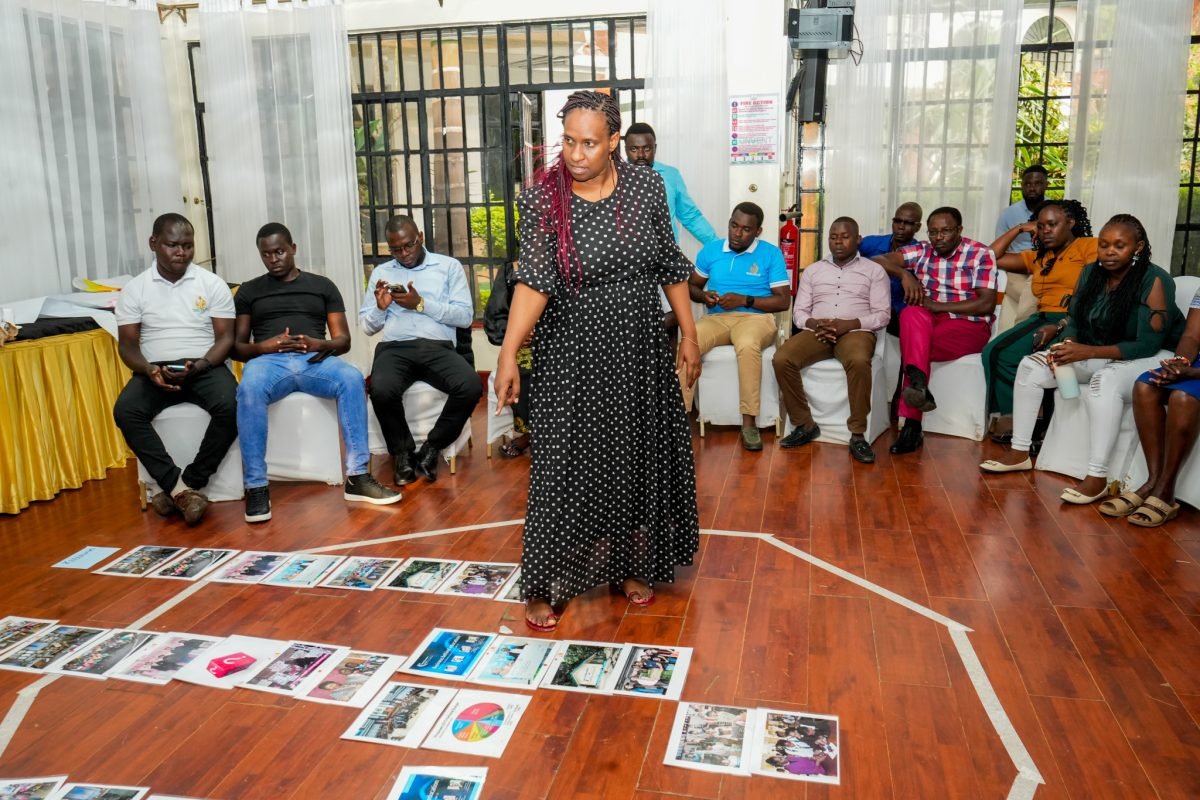
Mariam, a CtGA Expert Trainer in Mobilising Support engaging the participants in learning about how to organise the hierarchy of community needs and how to solve problems as the community needs
A key takeaway from this session was the importance of allowing communities to define their own problems and propose their own solutions, an essential principle for sustainable, locally owned development.
The training also delved into practical advocacy tools and strategies, including policy dialogue, mobilising support, activism, and public awareness campaigns. Participants were encouraged to consider where different advocacy actions fall on a spectrum, from neutral engagement to more confrontational forms, and how to select the right approach for different contexts.
Overall, the training reinforced KCDF’s commitment to strengthening the capacity of its partners to engage with local governments more effectively and ensure that community voices are at the heart of development efforts. Through tools like these, KCDF continues to promote collaborative, community-led approaches that drive meaningful and lasting change.