


KCDF Newsletter, July 2025
September 9, 2025
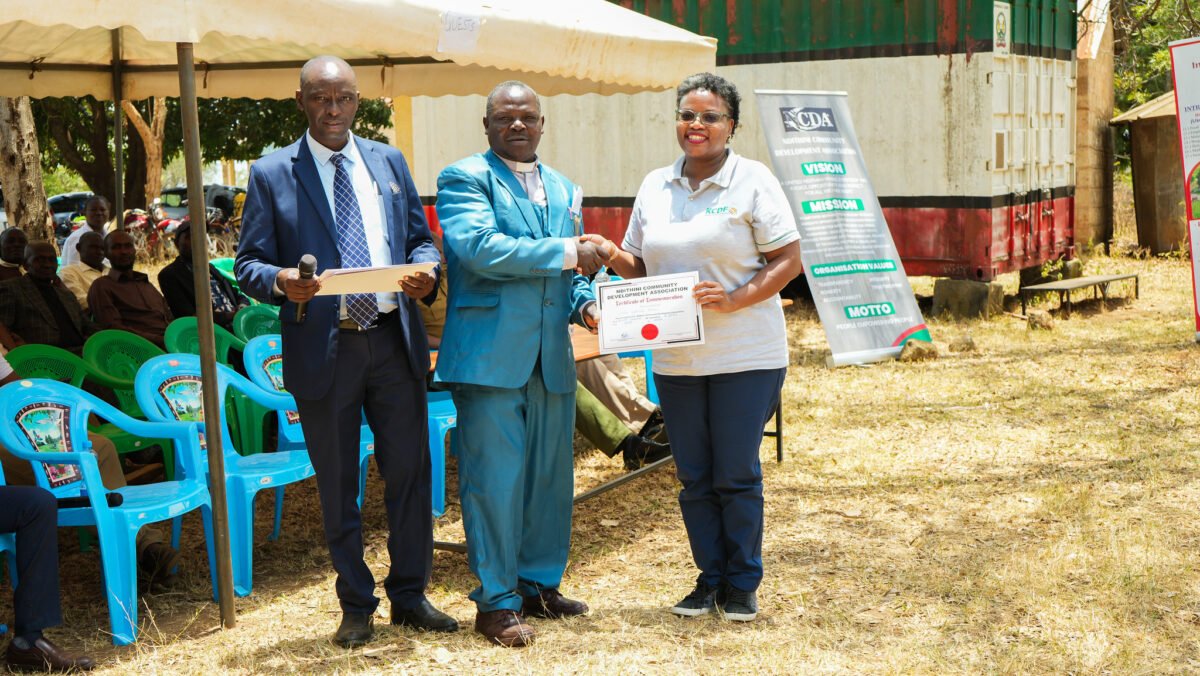
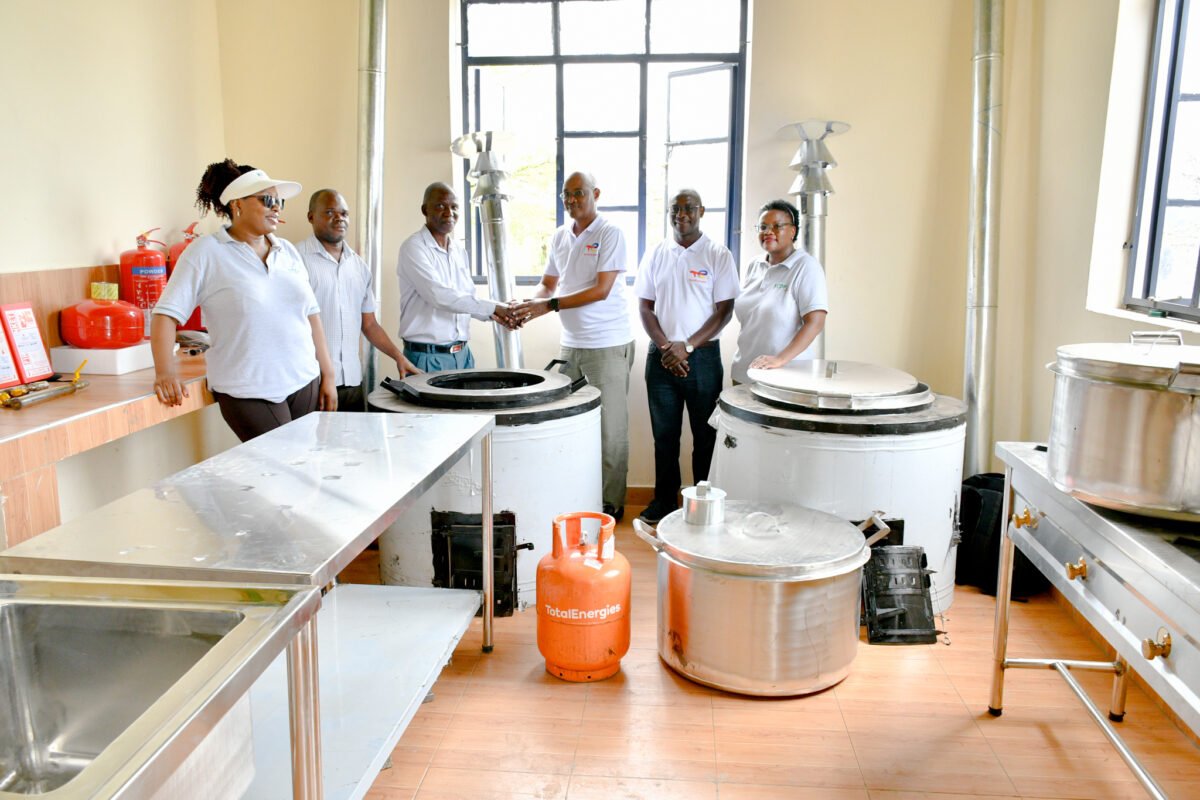
From Roots to Resilience: COSEO’s Journey of Community-Led Transformation in Baringo County
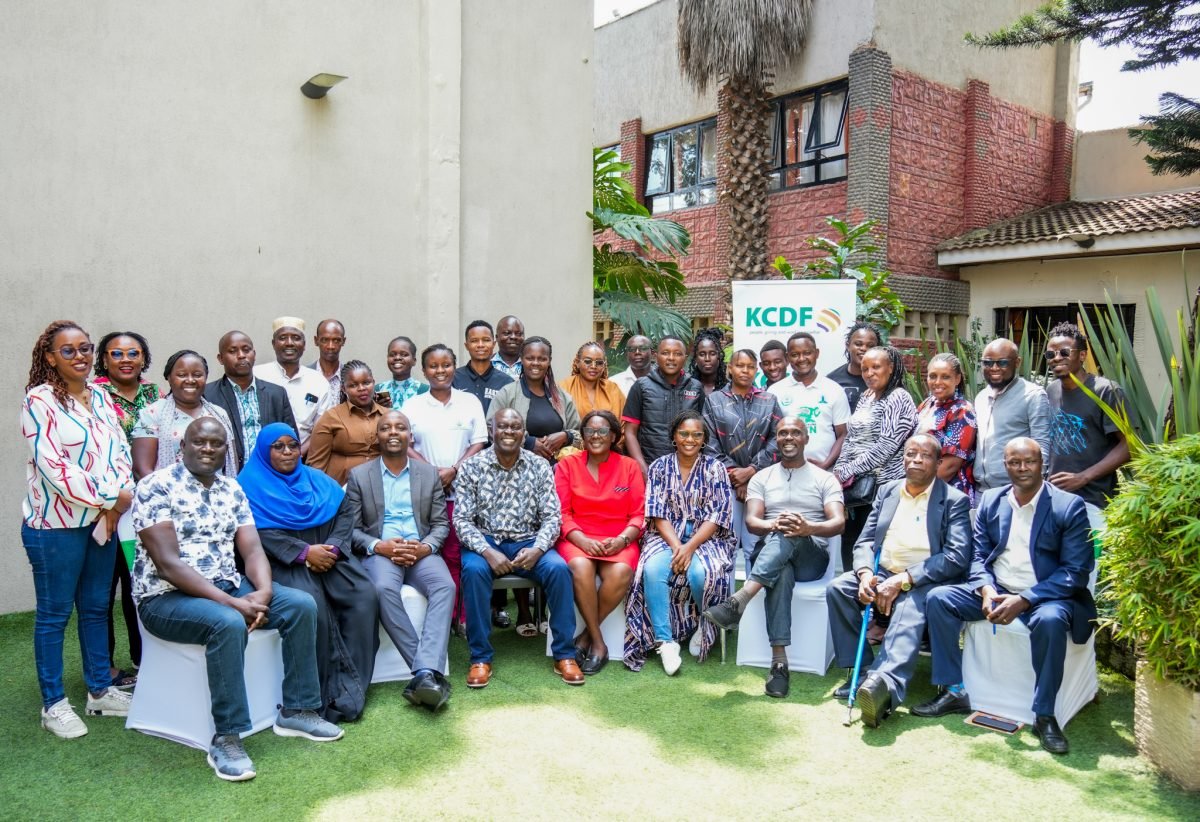
September 22, 2025From 3rd to 5th September 2025, KCDF hosted a series of capacity-strengthening sessions and collaborative engagements with our community partners in Nakuru County. These meetings convened civil society actors and community-based organisations from the Nakuru County Community of Practice(CoP), beneficiaries of the Mwanamke Bora Project and Change the Game Academy.
The engagements were designed to strengthen the capacity of KCDF’s partners across Nakuru County, in line with our focus areas of enabling the environment, entrenching local philanthropy, and promoting community-led development. The convening created opportunities for shared learning, co-creation, and strengthening partnerships, ensuring KCDF continues to extend its impact through empowered, community-driven processes.
Nakuru County Community of Practice Convening
The Nakuru County CoP meeting sought to promote supportive policy and governance frameworks that empower communities, reinforce civil society organisations (CSOs), and promote meaningful public participation in governance and development processes. The meeting brought together over 20 organisations, all part of the Nakuru County Civil Society Organisations Forum (NACCSOF), which comprises a membership of up to 35 CSOs and NGOs working across the county.
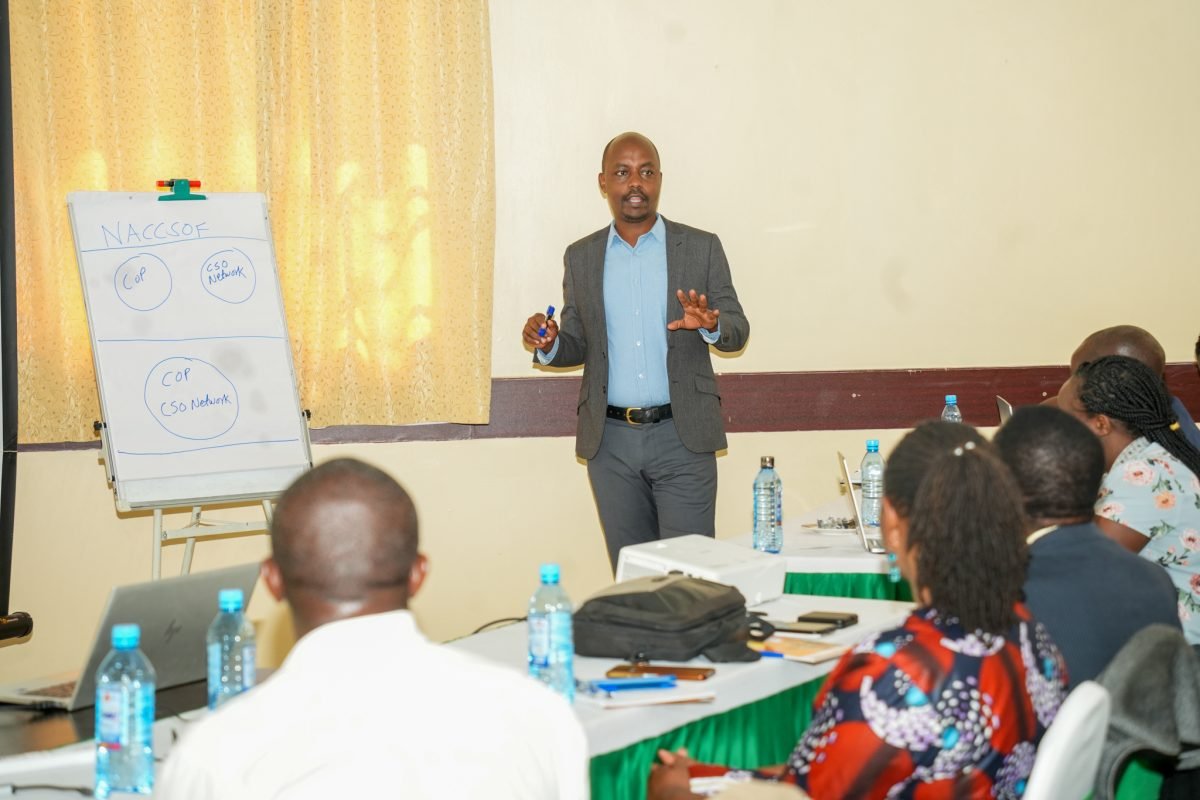
The Nakuru County CoP will enhance coordination, joint advocacy, shared learning, and stronger public policy and service delivery influence. Caesar Ngule, KCDF’s Programmes Director, elaborated on the critical role KCDF plays in supporting CoPs, including supporting operational funding, joint planning and implementation, fostering inclusive participation across diverse thematic areas, and facilitating monitoring and evaluation focused on outcomes that truly matter to the community.
“In a world where funds are limited, especially in this era of donor withdrawals from the Global South, KCDF is committed to helping CoPs maximise the use of available resources to create greater impact,” Caesar highlighted. He further acknowledged NACCSOF’s existing efforts, indicating that KCDF’s role would be to build on their current structures and amplify their impact.
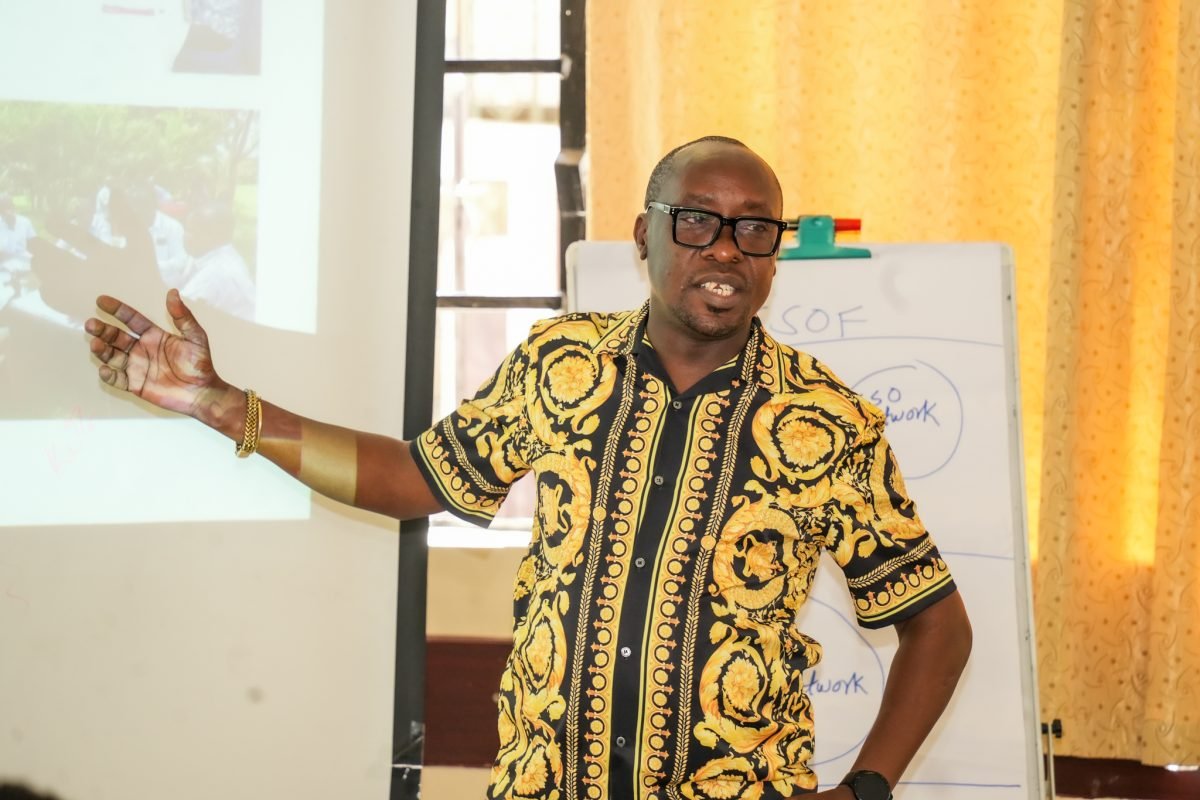
To reinforce this vision, representatives from two other successful CoPs from KCDF were present to share their experiences. Cliff Ochieng’, Executive Director at Transform Empowerment for Action Initiative (TEAM), shared the accomplishments of the Kisumu CoP, which has been instrumental in advancing several key policies in the county, including the Kisumu County Public Participation Policy and Regulations, Access to Information Policy, Early Childhood Development Act, Child Protection Policy, Sexual and Gender-Based Violence Policy, and amendments to the Disability Act. These achievements, he noted, were accomplished with limited resources but through collective effort and strategic engagement.
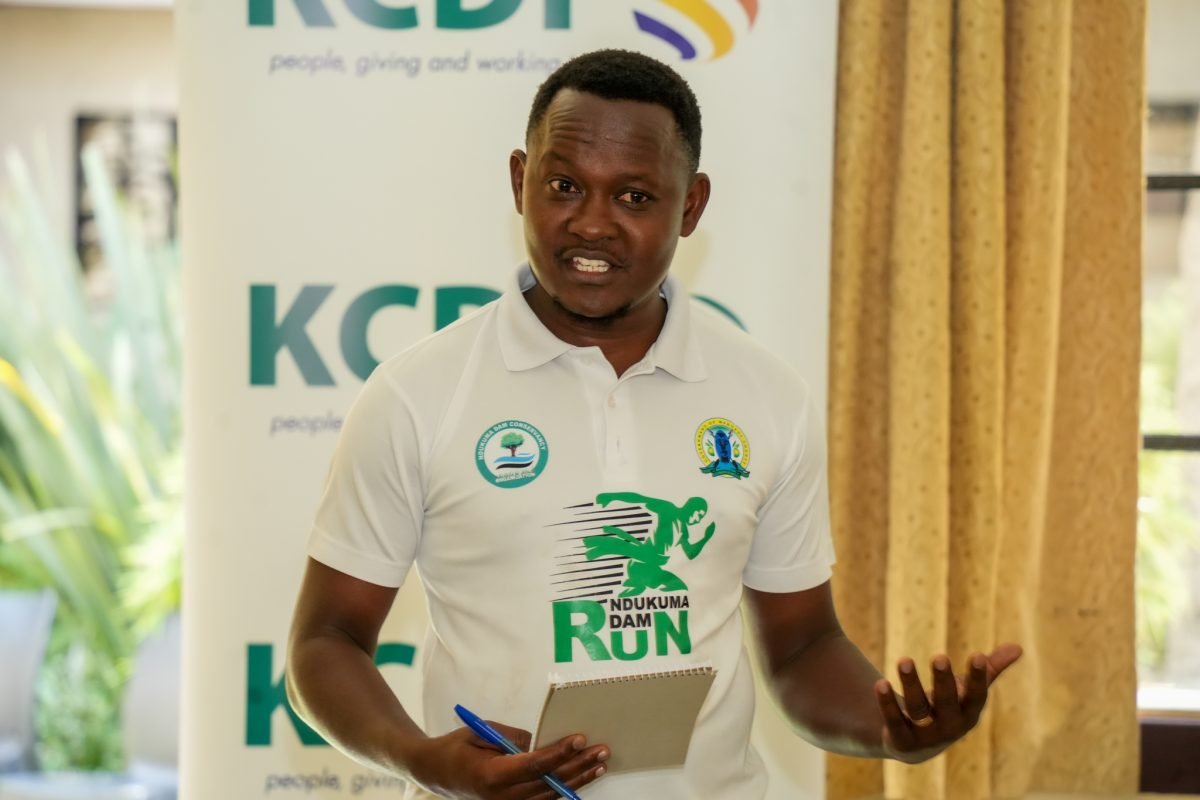
Mue Ndeto from the Makueni Youth Network, who coordinates the Makueni CoP, echoed these sentiments, highlighting the inclusive and structured nature of CoPs. He noted that, unlike traditional CSOs, CoPs create a space for continuous engagement and welcome all actors focused on community-led development. He praised the CoP model for its ability to foster real, measurable change.
Overall, the participants enthusiastically welcomed the idea of establishing a CoP and expressed eagerness to explore this partnership further with KCDF. There was mutual consensus on focusing collaborative efforts on improving policy environments for community-led development, increasing citizen participation in governance, enhancing advocacy skills among CSOs, and promoting accountable leadership at both the local and national levels.
Change the Game Academy Mobilising Support Training
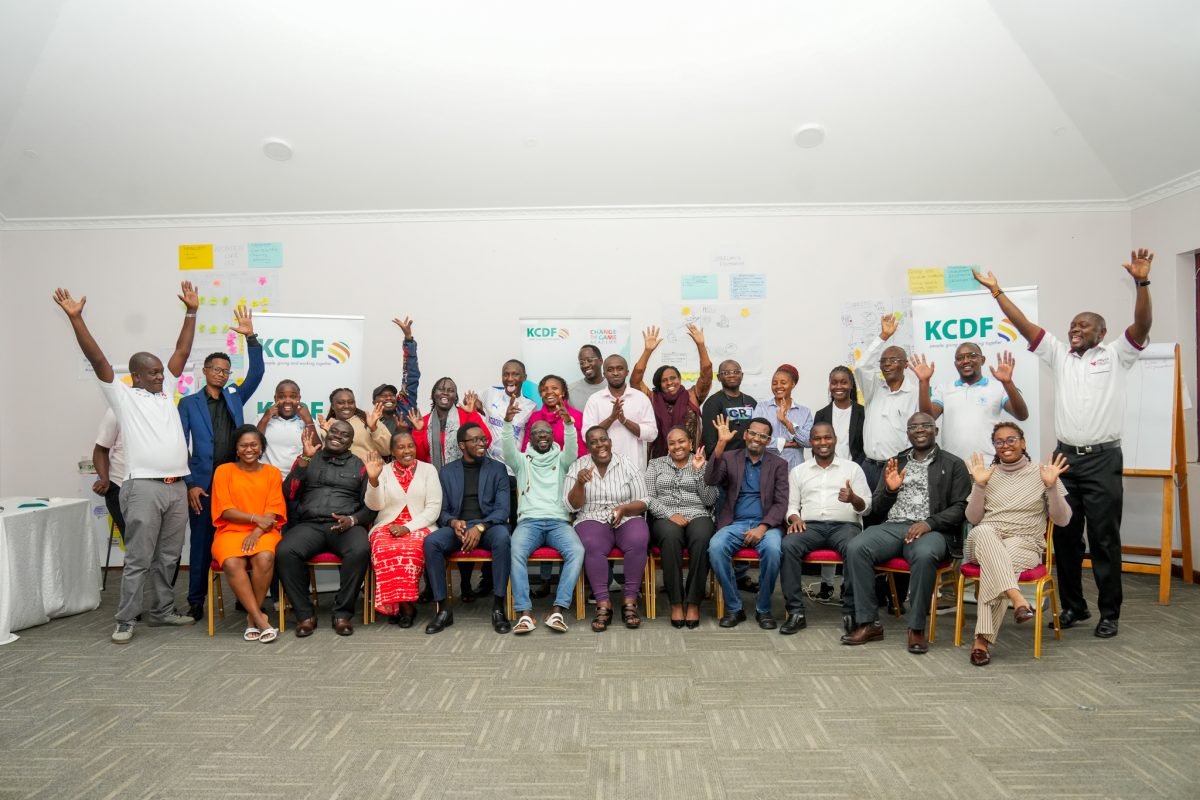
In parallel to the CoP meeting, KCDF conducted a week-long Change the Game Academy Mobilising Support training. This training brought together over 15 organisations from Nakuru County and focused on building advocacy and community mobilisation skills. The training was facilitated by Trainers of Trainers (ToTs), Hellen Kuria, Mariam Hussein, Charles Ogutu, and John S. Otieno, who guided participants through critical components of effective mobilisation and advocacy.
Key topics included the importance of credibility, legitimacy, accountability, service, and power in advocacy. Participants were guided through a full mobilisation support cycle, from problem identification and analysis to strategic planning, stakeholder mapping, message crafting, and assessing outcomes. They also learned how to conduct contextual analysis, understanding political, economic, social, technical, environmental, and legal factors affecting their work.
Interactive sessions allowed participants to identify challenges faced by their organisations, develop problem trees, identify allies and opponents, and even draft impactful complaint letters, focusing on being clear, factual, professional, and constructive. By the end of the training, organisations had developed context-specific plans they could implement in their advocacy work.
Cocreation Workshop for the Mwanamke Bora Project
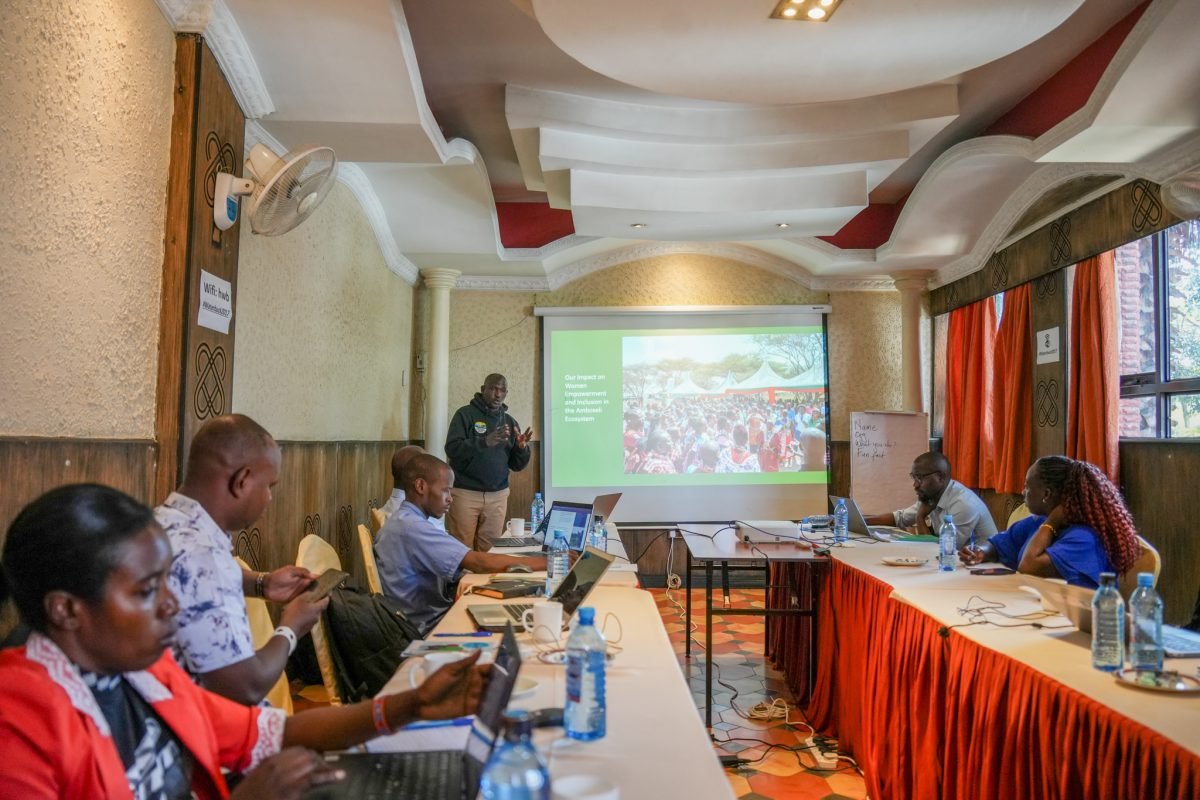
The final day of the convening featured a Co-creation Workshop for the Mwanamke Bora Project, a 12-month women’s economic empowerment initiative funded by Sisters of the Incarnate Word (Dubois). The project seeks to address three main challenges faced by women in Kenya: unpaid care work, limited financial access, and systemic gender discrimination.
Women in Kenya make up 70% of the agricultural workforce yet own less than 10% of the land. Many women also lack access to financial services and markets and spend an average of 4–6 hours daily on unpaid care work, limiting their ability to earn a sustainable income. The Mwanamke Bora Project aims to alleviate these challenges and improve the overall well-being of 800 vulnerable women in Siaya and Kajiado Counties.
During the workshop, KCDF’s team, Caesar Ngule, Programmes Director, Emilly Omudho, Team Lead – Programmes, Hillary Langat- Finance Assistant and David Muo- Monitoring, Evaluation and Learning Officer, worked with implementing partners, Amboseli Ecosystem Trust (AET) and SCORE Kenya, to develop detailed workplans and budgets aligned with the project’s objectives. AET is a multi-stakeholder, not-for-profit umbrella body working in the Amboseli Ecosystem, while SCORE Kenya is focused on increasing access to opportunities for vulnerable households through its HEAL approach, Health, Education, Advocacy, and Livelihoods.
The co-creation session was designed to ensure that the Mwanamke Bora Project delivers practical, measurable, and sustainable results, ultimately improving access to food, healthcare, shelter, education, and income for the target beneficiaries.
Conclusion
The three-day convening in Nakuru County marks a significant step forward in KCDF’s continued efforts to empower local communities and civil society actors. By introducing the Community of Practice model, enhancing advocacy capacity through Change the Game Academy, and co-creating solutions with implementing partners for the Mwanamke Bora Project, KCDF is strengthening the foundation for sustainable, locally-driven development.
In an environment where donor funding is becoming increasingly scarce, KCDF’s strategy of enabling local ownership, fostering collaboration, and building institutional resilience ensures that communities are not left behind. These partnerships and capacity-building initiatives reaffirm KCDF’s mission: to support community-led transformation that is impactful, inclusive, and sustainable.
#Communityleddevelopment #Institutionaleffectiveness #enablingenvironment #entrenchinglocalphilanthropy