


KCDF Newsletter, Q1 2026 Edition
May 5, 2026
Empowering Changemakers: KCDF Celebrates Change the Game Academy Graduates
May 28, 2026On 8th May 2025, KCDF convened development sector stakeholders for a timely conversation on strengthening community-led development through the Community Foundation model. The global development landscape is shifting and the sector knows it. Geopolitical realignments, donor fatigue, and evolving international aid policies are creating mounting pressure on NGOs and Civil Society Organisations (CSOs) that have long depended on project-based grants. For many, this moment is forcing a fundamental question: what does sustainable, locally owned development actually look like?
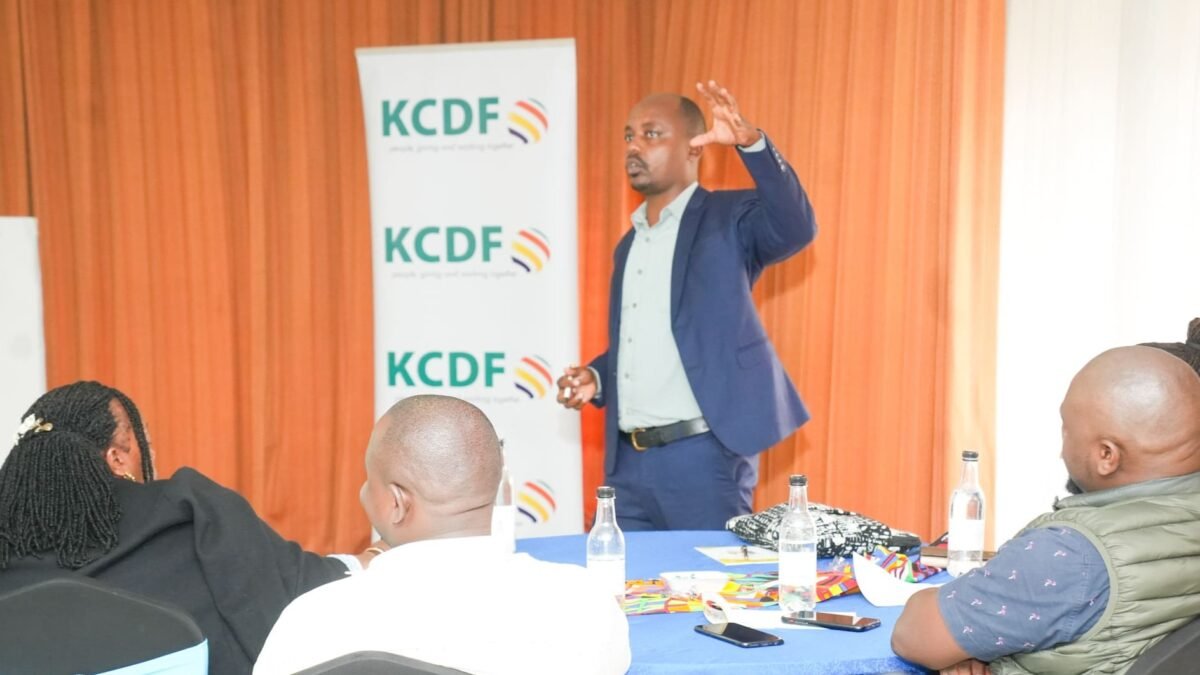
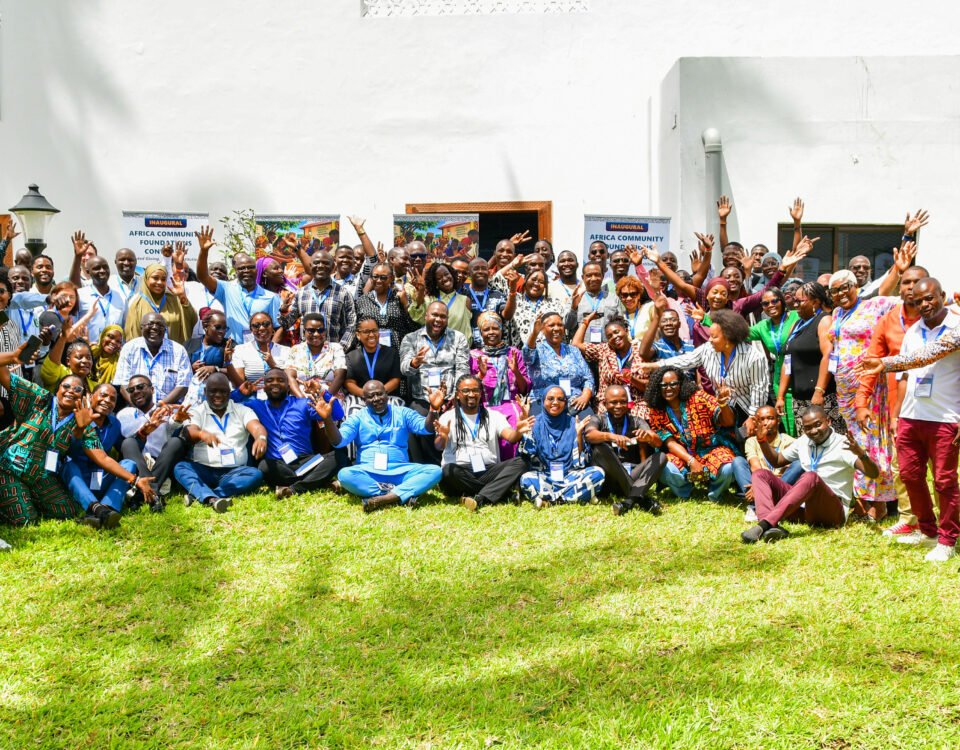
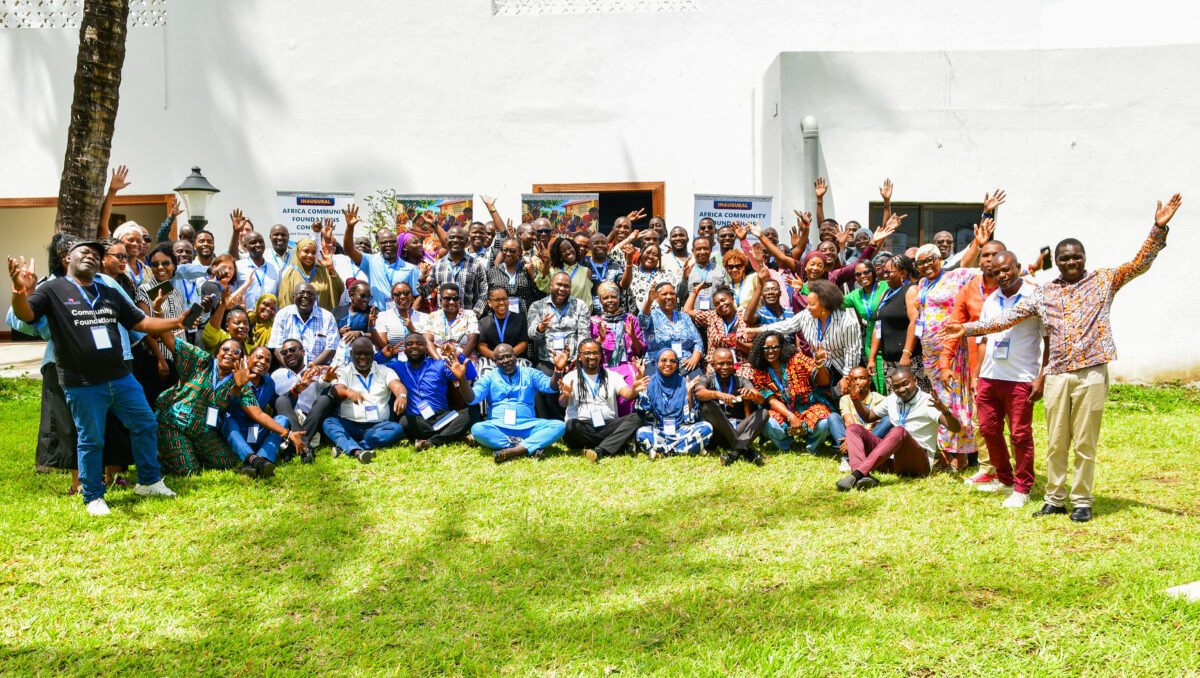
It was this question that brought together practitioners, partners, and community leaders for a one-day workshop in Nairobi. The session explored local development challenges, the evolving philanthropy ecosystem, and lessons drawn from Community Foundation experiences in Kenya, across Africa, and globally.
A Catalyst, Not a Substitute
One of the workshop’s most resonant insights was a reframing of how the sector should think about foreign aid: not as development itself, but as a catalyst for it. Sustainable change, participants agreed, happens when communities set their own agenda, define their own priorities, and build strong local institutions that are rooted in their own context and aspirations.
This distinction matters enormously. Mission-driven organisations that remain anchored to long-term impact rather than pivoting with donor trends are better positioned to serve their communities through funding cycles, policy shifts, and crises.
The Community Foundation Difference
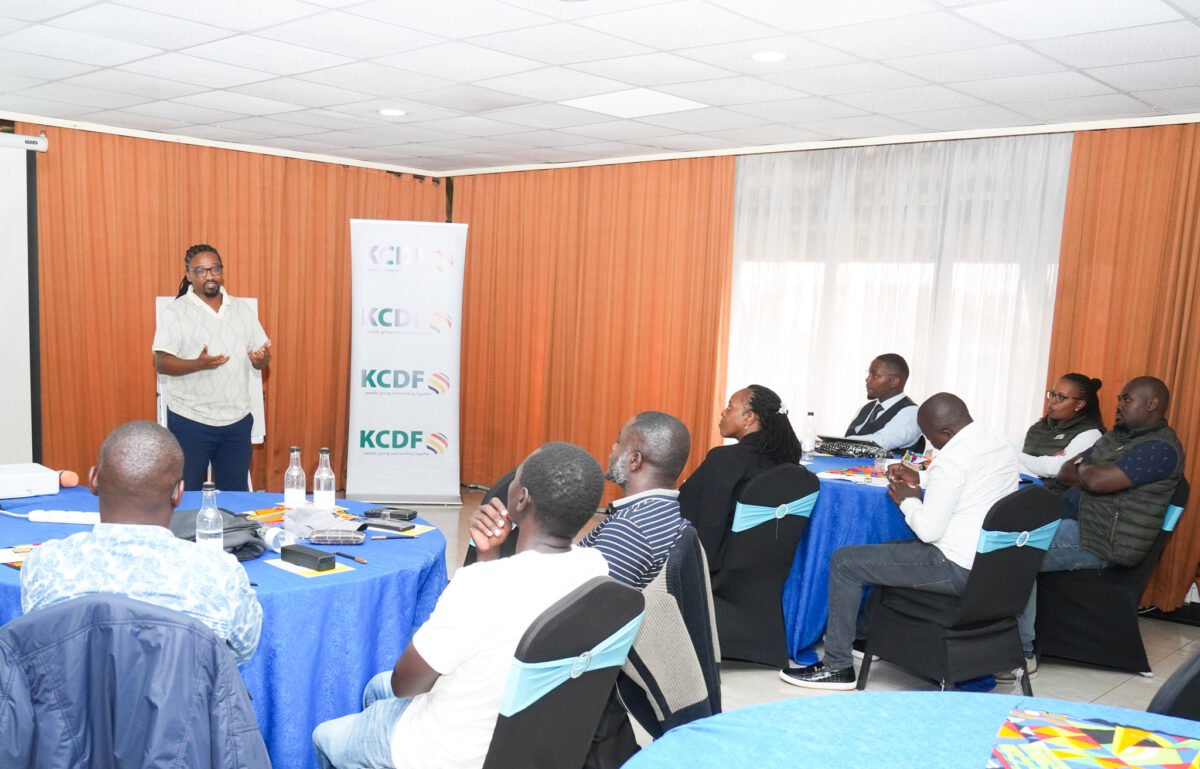
So what makes a Community Foundation distinct from a traditional NGO or CSO model?
The differences are structural. A conventional CSO typically relies on project grants tied to specific timelines and donor thematic priorities. While impactful, this model leaves organisations exposed when funding cycles end or donor interests shift. Community Foundations, by contrast, are designed to build permanent local assets endowments and philanthropic infrastructure that generate sustained support over time, independent of any single donor relationship.
The resource distribution model also differs significantly. Rather than channelling funds primarily through their own programmes and operations, Community Foundations act as philanthropic enablers directing grants and support to grassroots groups and local actors who are best placed to lead solutions grounded in lived realities.
Critically, Community Foundations are place-based. Their work is rooted in a specific geography and the people who inhabit it, enabling the long-term trust-building and contextual understanding that responsive, locally-driven development requires. This is a meaningful departure from thematic or issue-based models that are sometimes shaped more by donor priorities than by community-identified needs.
Finally, Community Foundations redefine how success is measured —moving beyond short-term beneficiary outputs to track the growth of social capital, community resilience, local ownership, and permanent assets. The goal is not simply to solve today’s problems, but to strengthen a community’s long-term capacity to shape its own future.
The workshop drew on experiences from Community Foundations across Kenya and globally, including insights from the Cleveland Foundation, one of the world’s oldest and most established community philanthropy models. A key takeaway from that experience is worth highlighting: the size of a founding gift matters less than the quality of founding leadership. Community Foundations demonstrate that local people, with the right structures and vision, can mobilise the resources needed to tackle their own challenges.
KCDF’s Programmes Director Caesar Ngule, Head of Partnerships and Resource Development Purity Murugy, and Jeremy Marman a consultant with the Mott Foundation served as facilitators and resource persons for the day. Their sessions challenged CSO leaders to think differently — to see the Community Foundation not as a competitor to existing models, but as an enabler of the very community development work the sector exists to advance.
At a time when many organisations are asking how to survive shrinking donor support, the Community Foundation model invites us to ask a more transformative question: how can communities build and own the resources that shape their future?
KCDF continues to champion local philanthropy as a pathway to community resilience.