



October Newsletter 2024
October 17, 2024
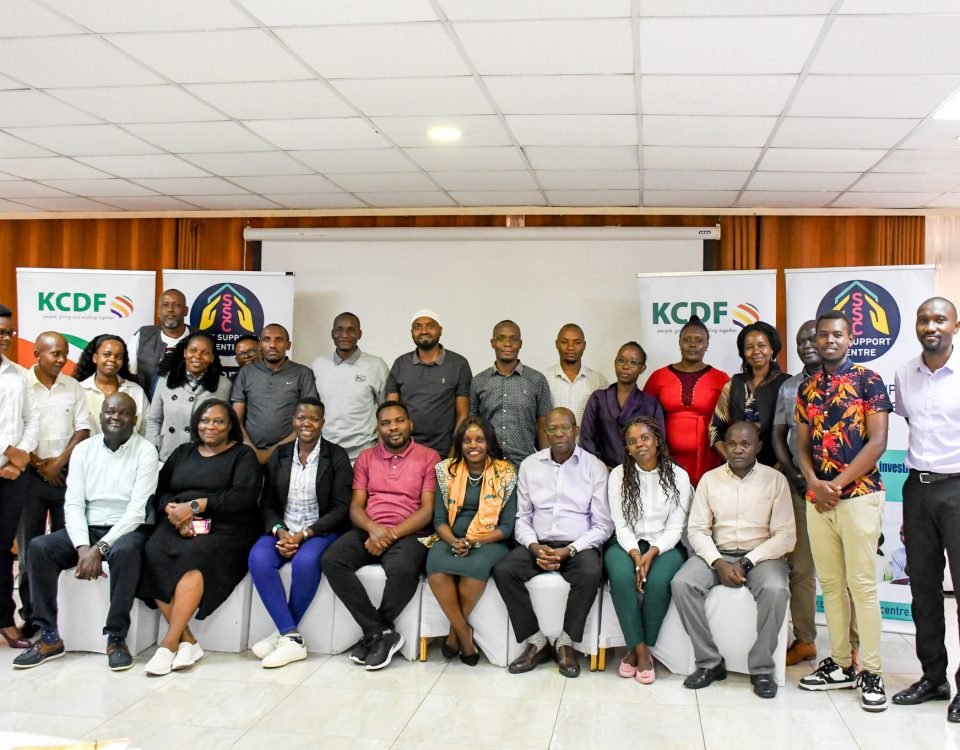
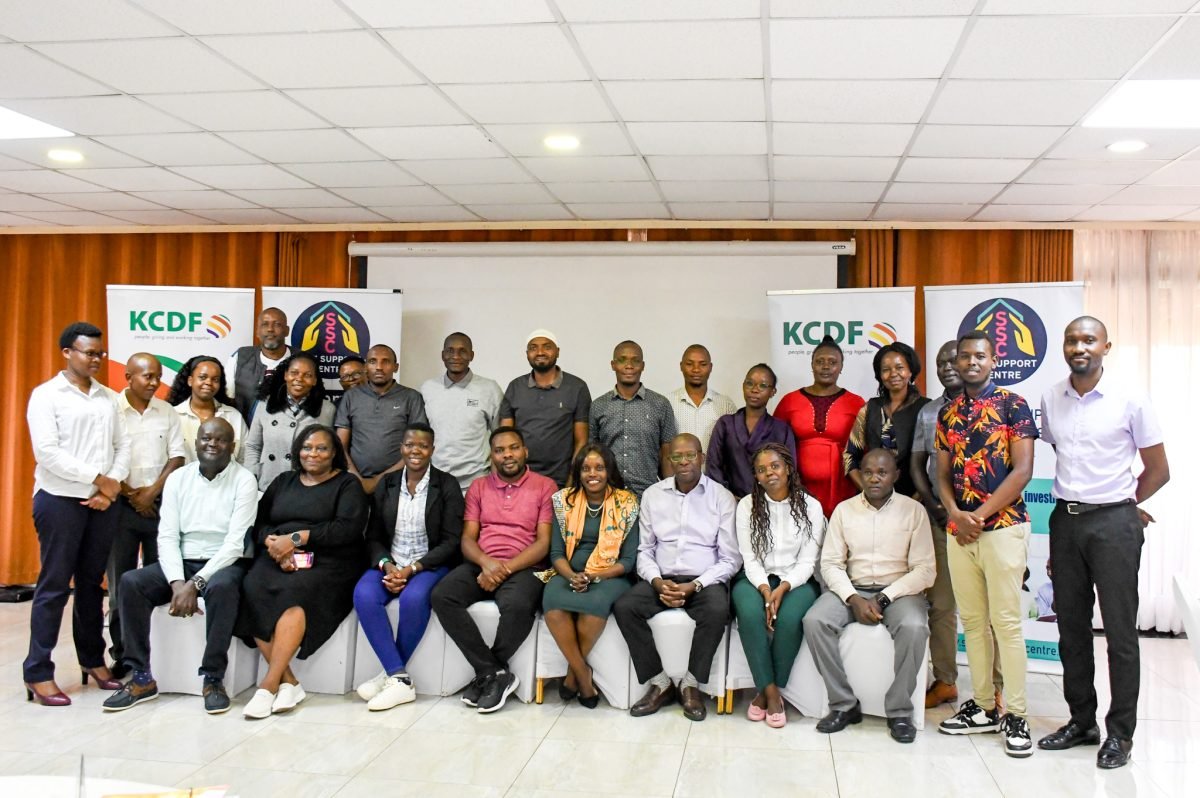
The Embassy of the Kingdom of the Netherlands Monitoring Visit to Kisumu County.
October 28, 2024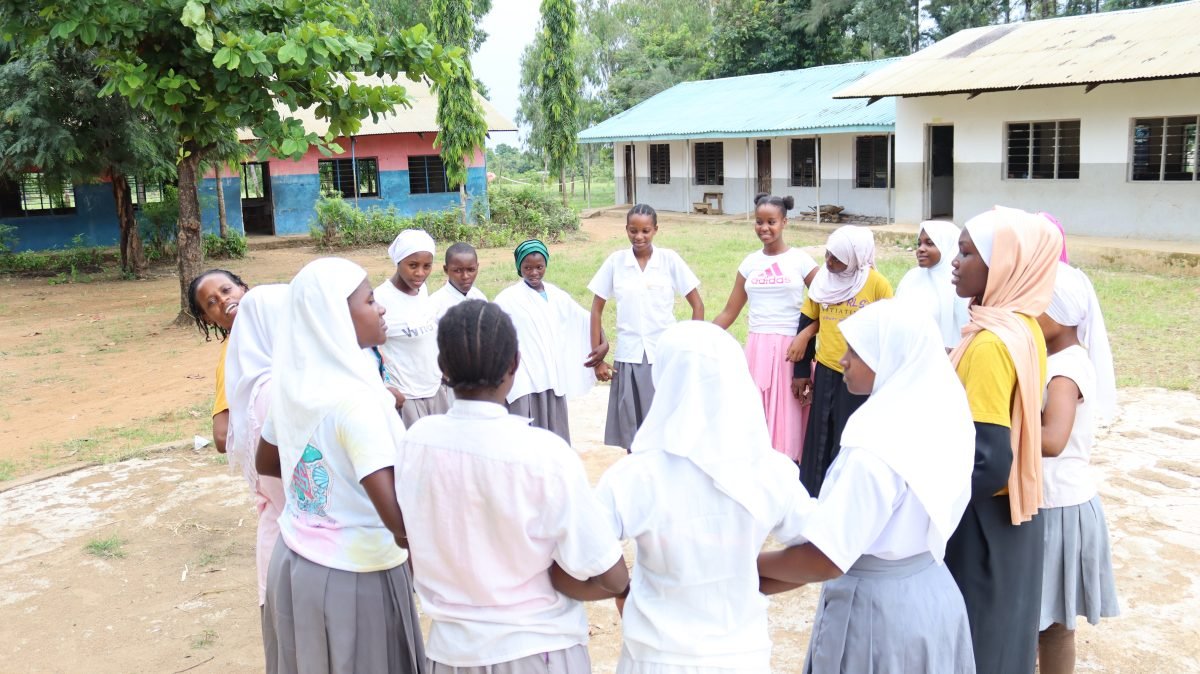
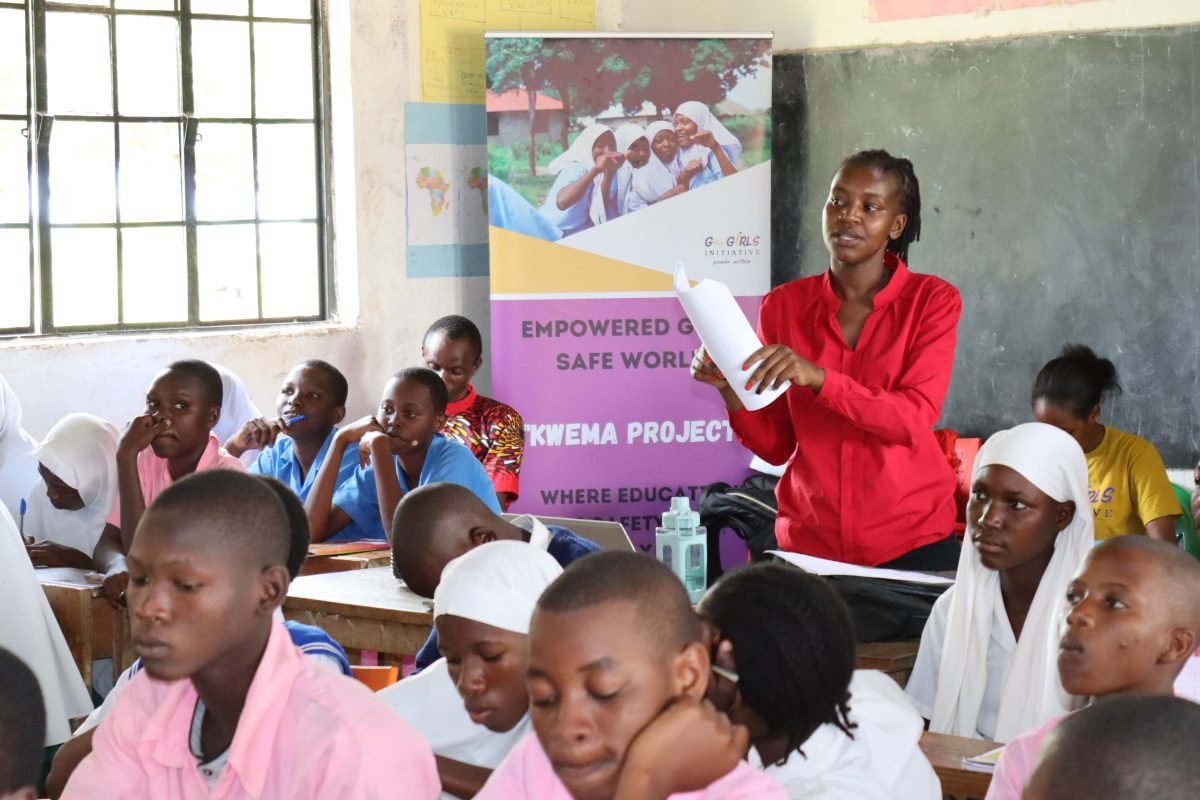
G for Girls initiative based in Vanga Ward, Lunga Lunga Sub-County in Kwale County was established in October 2021 as a Community-based organisation to tackle the challenges that girls and women face in the locality. Lunga Lunga Constituency has for a long time recorded high rates of teenage pregnancies, school dropouts, and child abuse. The women-led institution sought to resolve this by establishing a safe space for young girls to mentor them and support their education to rouse community leaders who are agents of sustainable change. For sustainable impact achievement, they have been employing the local resource mobilisation skills that they gained from KCDF’s Change the Game Academy which they participated in, in 2023.
Working with KCDF and CTGA.
Priscah Mongera, Executive Director of G-for Girls Initiative, first encountered KCDF as a Programs Manager at Girls on Fire in her previous role. While she led various projects, such as Mommas on Fire and Be the Change Project which worked at the grassroots levels, they applied for a matching grant as advertised by KCDF. They were later invited to the Change the Game Academy Mobilising Support Training.
“The mobilising support training was an eye opener for me, as I learned the importance of moving away from service delivery as an organisation to embracing the idea of granting the communities the voice to express their desires and have transparent discussions with the county government.” Priscah expressed.
The training provided satisfactory exposure to Priscah, who came to understand the significance of empowering communities and educating them on the role of the government in providing the services that are needed within the communities. Priscah’s curiosity for local fundraising was ignited by this five-month Change the Game Academy training.
“After KCDF came for the Participatory organisational assessment of Momma’s on Fire CBO, they mentioned the two training sessions offered by Change the Game Academy and how the matching grant works. My curiosity peaked and I resorted to go online and learn more about Change the Game Academy’s local fundraising training.” She added.
From the local fundraising done on the online website, Priscah was able to learn various skills such as pitching, budget-making process, proposal writing, and how to prepare a one-pager document giving an overview of the organisation and the need for fundraising. Most importantly, the training provoked a mindset paradigm shift regarding resource mobilisation. This experience broadened her understanding that resource mobilisation encompasses much more than just financial contributions. It also includes leveraging expertise, engaging in fundraising activities, and collaborating with other organizations to share costs effectively, not only from civil society organisations but individuals, private sector as well as both the county and national government.
“The training allowed me to join a community of practice, which has been a tremendous resource. Collaborating with like-minded organisations has not only enhanced our collective capacity but has also fostered a supportive environment where we share knowledge and resources without the burden of additional costs. For example, when newer organisations need capacity assessments and training, we can help collectively, rather than seeking external, paid experts.The Kwale community of Practice(CoP) has given me an opportunity to lead and serve as the Secretary general.” Priscah retorted.
G for Girls Initiative, received training from Aga Khan Foundation, and in turn, G for Girls Initiative in conjunction with Kids Care Kenya has actively supported the development of community initiative groups in Vanga Ward,Lunga Lunga Sub-county Kwale. Having undergone the local fundraising program, they have taken the lead in promoting sustainable solutions within communities. The training equipped them with the tools to help thriving groups, and one of the groups they have supported, the Community Initiative Group in Vanga Ward, has now become a model for others in coastal counties.
Impact Realised.
To address the struggles that girls faced to access good quality education and reduce the rate of school dropouts due to early teenage pregnancies, they launched the “Adopt A Girl” project, which connects individual sponsors with girls in need. While the sponsorship might not cover the entire cost of education upfront—typically around 45,000 shillings per year—their sponsors commit to contributing regularly.
“Over the past year, this initiative has raised funds amounting to 135,000 shillings, successfully supporting three girls through their first year of secondary school. With continued commitment, we aim to raise a total of 540,000 shillings over four years, allowing us to support four girls through their entire secondary education journey.” Priscah interjected.
Through these efforts, G for Girls Initiative not only facilitates access to education for marginalized girls but also fosters a culture of community support and engagement, ultimately paving the way for brighter futures. The G for Girls Initiative has also launched the GGI Merchandise Shop, where they sell items like thermal cups and T-shirts. So far, this venture has raised 60000 shillings, contributing to their community programs.
“In our funded programs, we realized the importance of engaging the community beyond merely receiving support. By fostering conversations with village leaders and the local chief, we emphasized our commitment to bringing knowledge and resources to the community without charging for venue rentals. This approach has saved us 120,000 shillings over the past year, as we no longer hire community halls for our sessions.”
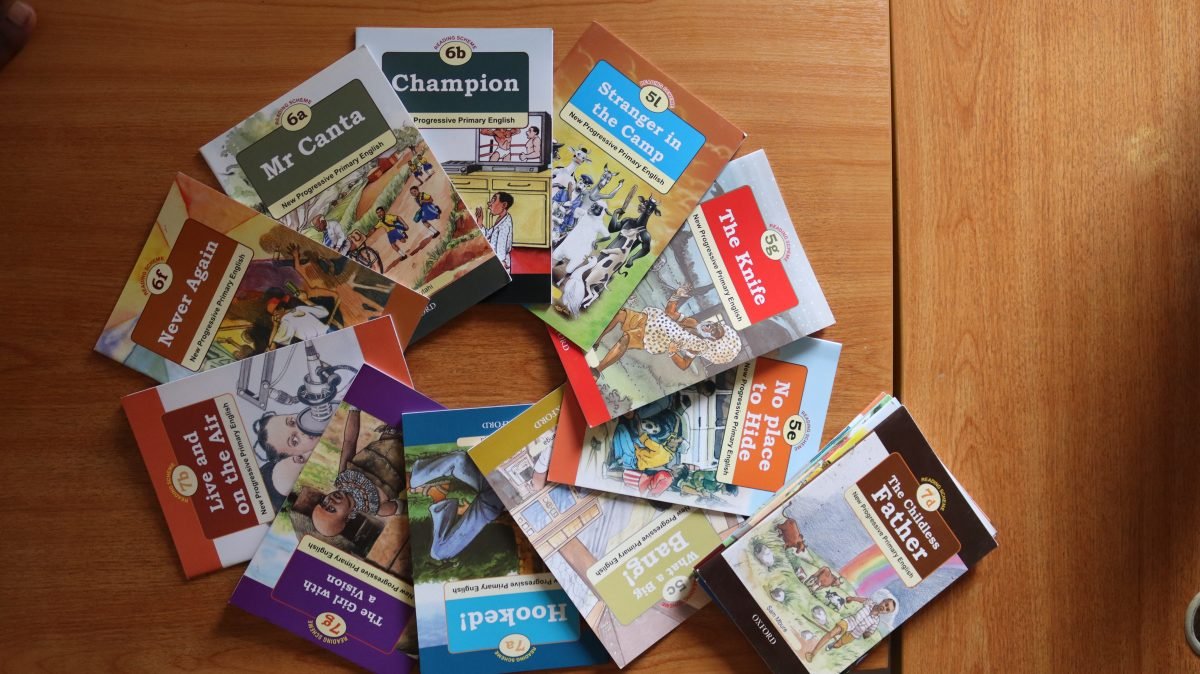
“Additionally, we received an in-kind donation of land from the community, valued at 300,000 shillings. While we plan to build a Community Resource Centre on this land, we currently utilize a makeshift structure to hold Saturday library sessions for local children. These sessions attract between 50 to 70 children each Saturday, creating a vibrant learning environment. The total estimated value of the land and library services is approximately 500,000 shillings. We have also collected gently used books from around the country, valued at 200,000 shillings, further enriching our library resources.” She added.
Collaboration has been key to their success. Working with organizations like Kids Care, who developed a joint work plan for child protection and safeguarding programs. By coordinating their efforts—where G for Girls provides transport, Kids Care covers accommodation, and the Child Protection Department offers expertise—they saved nearly 1,000,000 shillings. This significant saving allowed them to sustain their operations even after the project ended in May. As a result, they successfully secured an advance from their funding partner , enabling them to continue their work while awaiting the next disbursement.
These initiatives highlight how G for Girls Initiative not only supports education and community development but also effectively leverages resources through collaboration and innovative approaches as learned from the Change the Game Academy program.
“We also recognize the importance of leveraging opportunities with other organizations to benefit G for Girls Initiative. For instance, when I attend meetings or activities organized by partners like KCDF, I dedicate a portion of any transport reimbursement I receive back to our organization. Specifically, I allocate 10% of the reimbursement to G for Girls Initiative. For example, if I receive 1,000 shillings for transport, I contribute 100 shillings back to our cause. Through this practice, we have successfully raised a total of 150,000 shillings. This strategy not only supports our operations but also fosters a sense of shared purpose and collaboration within the community.” Priscah highlighted.
Challenges faced.
Priscah highlighted that they also recognize the importance of aligning their team on the significance of local fundraising stating that it’s essential for everyone—ideally 90% of their team—to understand why local fundraising should be their primary focus.
With only two of the organisation’s staff having undergone training in fundraising, it has often felt overwhelming, as they were the only ones equipped with this knowledge. To address this, they have also developed an organizational structure that outlines who oversees fundraising and how their fundraising strategy should be implemented.
“To address this, we emphasize the importance of engaging senior management alongside implementing staff in our training sessions. This mixed approach fosters better understanding and commitment to the initiatives, ensuring that participants have the authority to make impactful changes within the organizations.”
“Additionally, we’ve recognized the need to integrate elements of local fundraising into our training. My own experience with the Mobilising Support training has sparked my curiosity about local fundraising strategies. Organizations like KCDF have set excellent examples in this area, demonstrating how effective local fundraising can support grassroots initiatives.” She clarified.
Way Forward.
Priscah is truly grateful for the opportunity to participate in the training. She values the insights gained and is excited about discovering alternative ways of resource mobilization. This experience has enriched her knowledge and equipped her with the skills and knowledge to make a meaningful impact within her community. Priscah looks forward to applying what she has learned to empower others and drive positive change through G Girls initiative.
“As we move forward, we remain committed to empowering grassroots organizations. We truly appreciate the support we receive from KCDF and Change the Game Academy and the opportunity to grow and learn together. Thank you for your continued dedication to fostering community development.” She concluded.