


Cultivating hope in Kisumu – Pal Omega’s green hub, growing more than just onions
May 22, 2025
From Stigma to Strength: How KidsCare is Transforming the Lives of Children with Disabilities in Coastal Kenya
May 22, 2025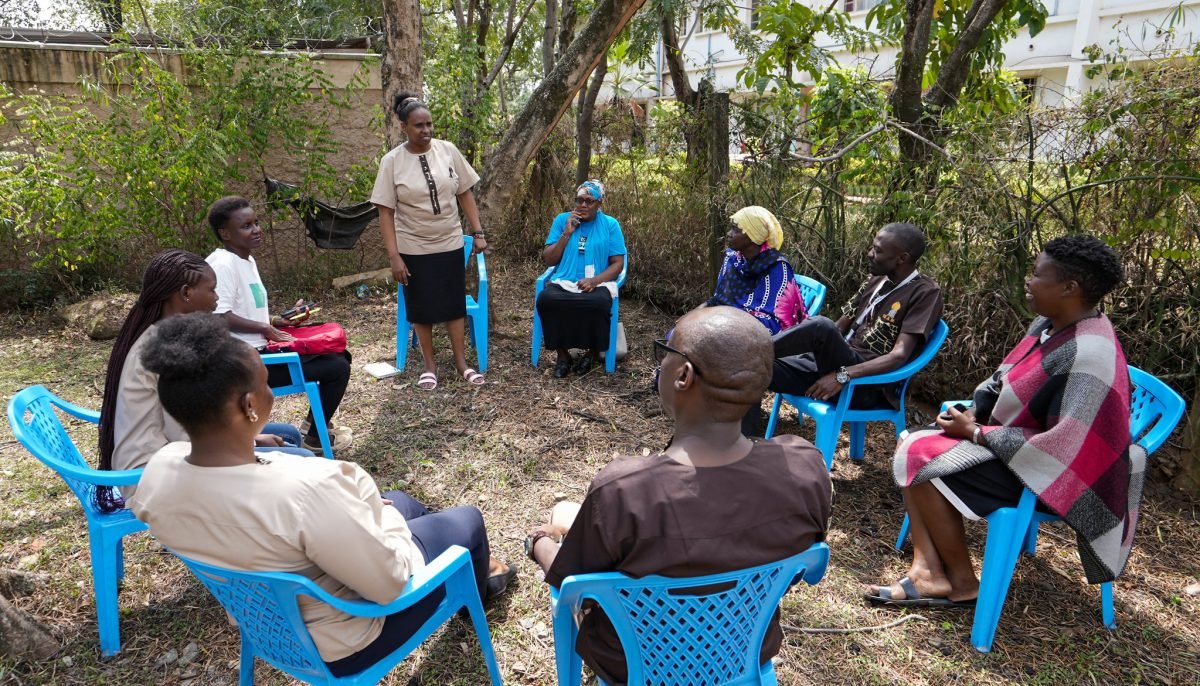
In the busy town of Ahero, Kisumu County, a motivated group is working to drive positive change by encouraging meaningful, grassroots conversations between citizens and their leaders. Their goal is to strengthen community voices and promote inclusive local decision-making.
At the heart of this transformation is the Transform Empowerment for Action Initiative (TEAM), a grassroots civil society organisation redefining citizen engagement and good governance in Kenya.
Much of this work has been made possible through the support of KCDF under the Giving for Change programme, funded by Wilde Ganzen. This programme supports grassroots organisations in implementing advocacy campaigns and mobilising support, particularly under the ‘Enabling Environment’ focus area. TEAM is one of the key actors under this programme, and their efforts have made them the primary conveners of the Kisumu Community of Practice (CoP). On this collaborative platform, they bring together civil society organisations, activists, and government actors to champion inclusive policy change and improved public service delivery.
For years, residents of Nyando Sub-County, like many others across Kenya, struggled with inadequate public services, poor policy implementation, and a lack of meaningful channels to voice their concerns. But that tide is changing, thanks to TEAM’s persistent efforts to connect communities with decision-makers and promote accountability through its “Huduma Mashinani” model, bringing governance closer to the people.
“We used to wait for things to be done for us. Now, we sit with our ward administrators, ask questions, and demand better,” says a local community member during a civic dialogue session facilitated by TEAM.
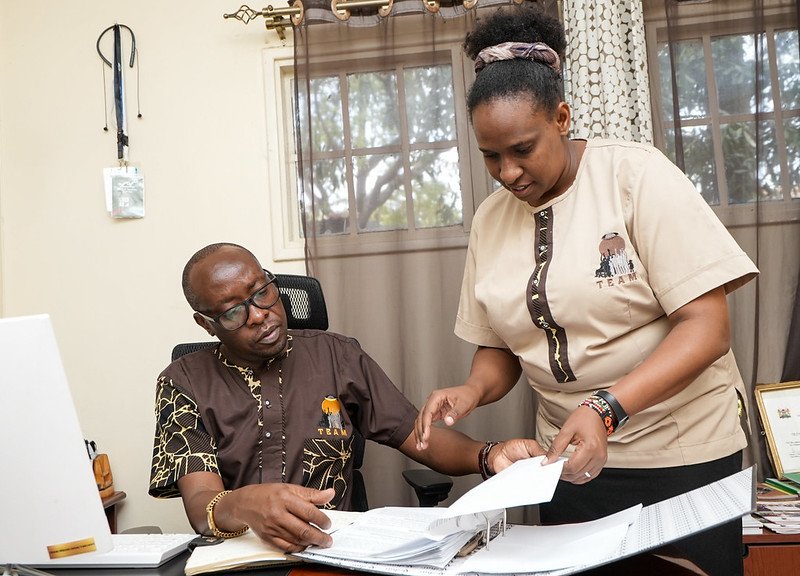
TEAM’s impact is wide-reaching. As the convener of the Kisumu Community of Practice (CoP), the organisation has influenced the formulation and adoption of critical policies, including the Access to Information (ATI) policy, Sexual and Gender-Based Violence (SGBV) policy, and Early Childhood Development Education (ECDE) policy. These policies are not just documents but lifelines, enabling the county to allocate resources where they are most needed and respond more effectively to community issues.
TEAM’s strategic partnerships with county and national government actors have enabled them to host quarterly accountability platforms, train civil society organisations (CSOs) and human rights defenders (HRDs), and broadcast radio shows on Namlolwe FM, making governance more accessible to ordinary citizens.
In one remarkable instance, a meeting with the Ahero ward administrator revealed how much TEAM’s work has empowered state actors, too. “Before this, engaging the community felt like a one-way street,” the administrator shared. “With TEAM’s support and training, we’re having more productive dialogues and implementing programmes based on real community feedback.”
Despite its success, TEAM isn’t without challenges. A high turnover of county officials, increased community expectations, and a shrinking civic space due to new PBO regulatory frameworks have tested their resilience. However, their response has been proactive: developing a risk management matrix, launching a social accountability mobile app, and strengthening internal systems, including policies on safeguarding, procurement, HR, and financial management.
The organisation also recognises the need for inclusivity. Through disability-sensitive community engagements and advocacy for equitable service delivery, TEAM ensures no voice is left unheard and no one is left behind.
Their secret? Consistency and community ownership. TEAM’s model thrives because it puts people at the centre, not passive recipients but active agents of change.
With strong internal controls, transparent budgeting using QuickBooks, and annual audits, TEAM is setting itself up for long-term sustainability. Its visibility has increased significantly thanks to CoP engagements, drawing interest from potential funders and partners. Yet, TEAM remains grounded. “We’re still growing, and we acknowledge that every policy is influenced, every citizen is trained, every voice is amplified—that’s a win for democracy,” says Cliff Ochieng, TEAM’s Executive Director.
As Kisumu County continues to evolve, the impact of TEAM’s work offers a powerful lesson: Change doesn’t always begin in parliament. Sometimes, it starts in a village meeting, a radio broadcast, or a quiet conversation in Ahero, where people believe they matter, and where someone is listening.
#Advocacy #Policymaking #CommunityDevelopment #Communityofpractice