


KCDF takes part in Peace Connect 2025
October 27, 2025
KCDF equips more local fundraising champions
November 7, 2025
Inua Damsite CBO, an awardee of the 2024 Young Environmentalist Innovation Challenge (YEIC), is a youth-led initiative in Nyandarua County that is transforming how communities tackle post-harvest losses. The organisation received KES 5 million from KCDF to scale up its food processing innovation, which reduces the amount of produce lost during harvests. Inua Damsite collects fruits and vegetables that farmers cannot sell because of cosmetic imperfections, size variations, or minor damage, and turns them into therapeutic, ready-to-use foods.
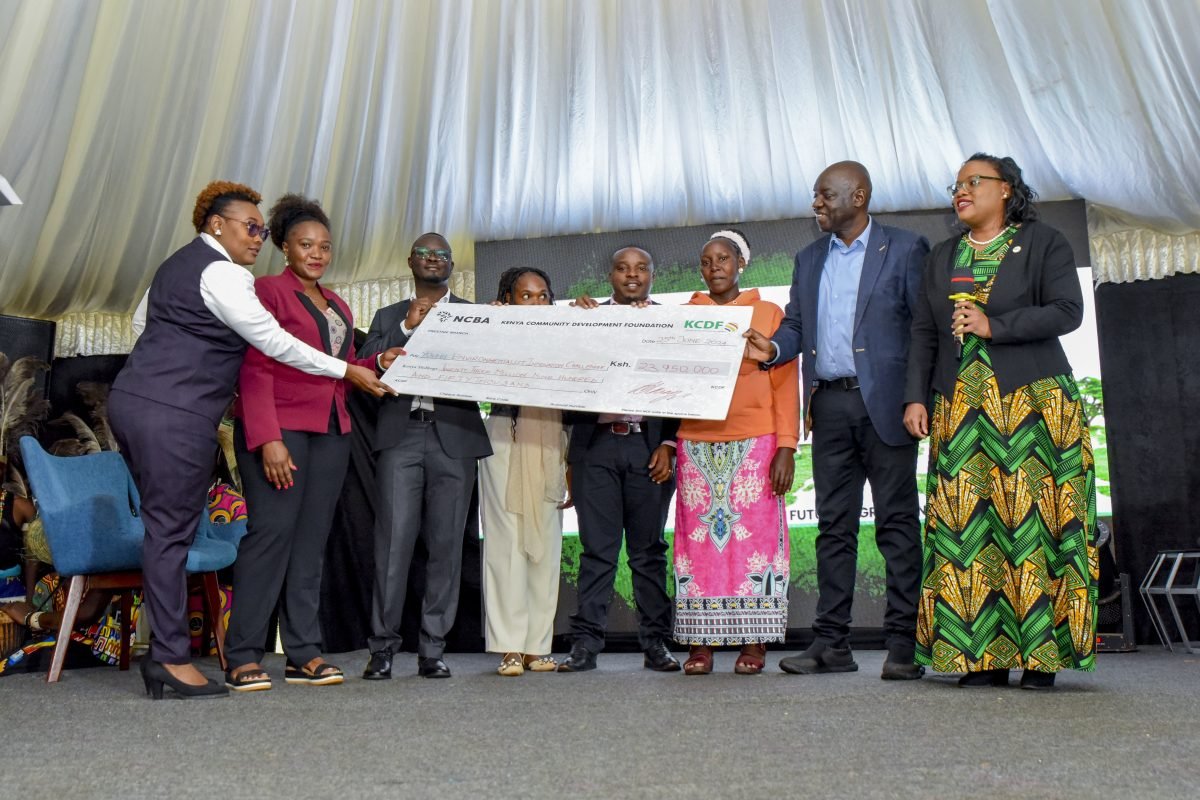
Founded in 2018, the CBO began by processing potatoes into ready-to-cook portions, supplying them to low-income communities in Mukuru and Mathare slums in Nairobi. They later expanded to schools in Nakuru County and introduced partial drying to extend product shelf life. With support from the 2024 YEIC award, Inua Damsite established a fully equipped processing station with a drying machine, milling unit, and juicing line. This investment enabled the organisation to expand its innovation, increase the amount of harvests it can process, and diversify the range of products it produces from different types of crops. This setup has since inspired many young entrepreneurs across Nyandarua County to replicate the model.
-

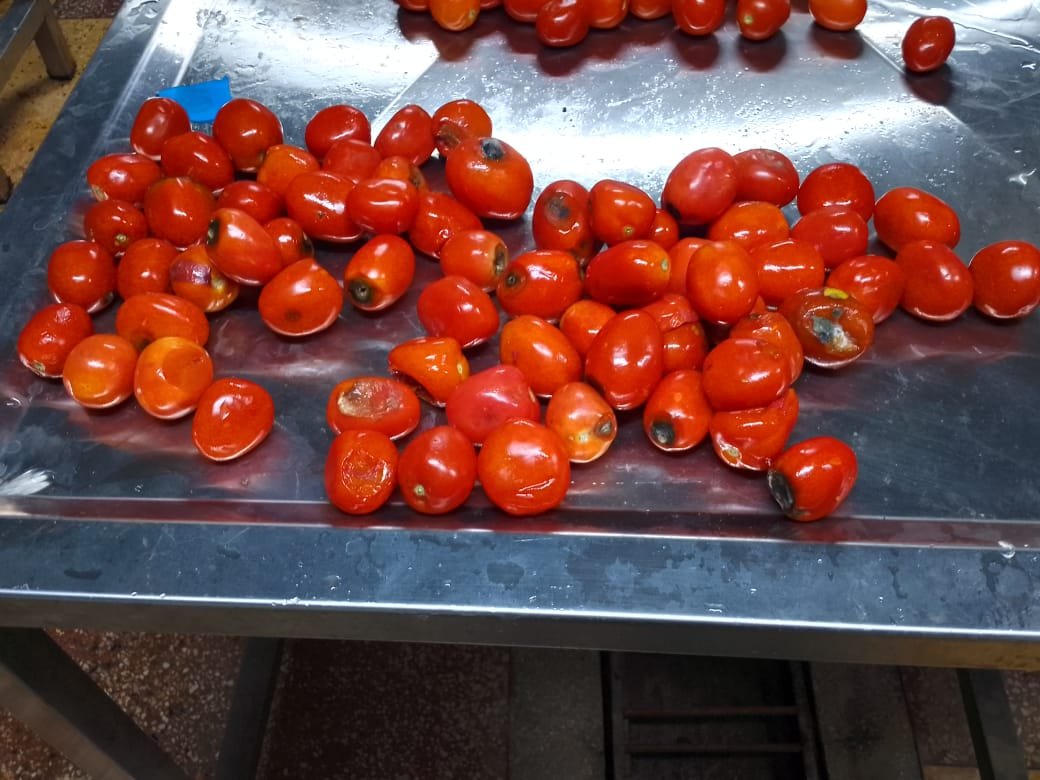
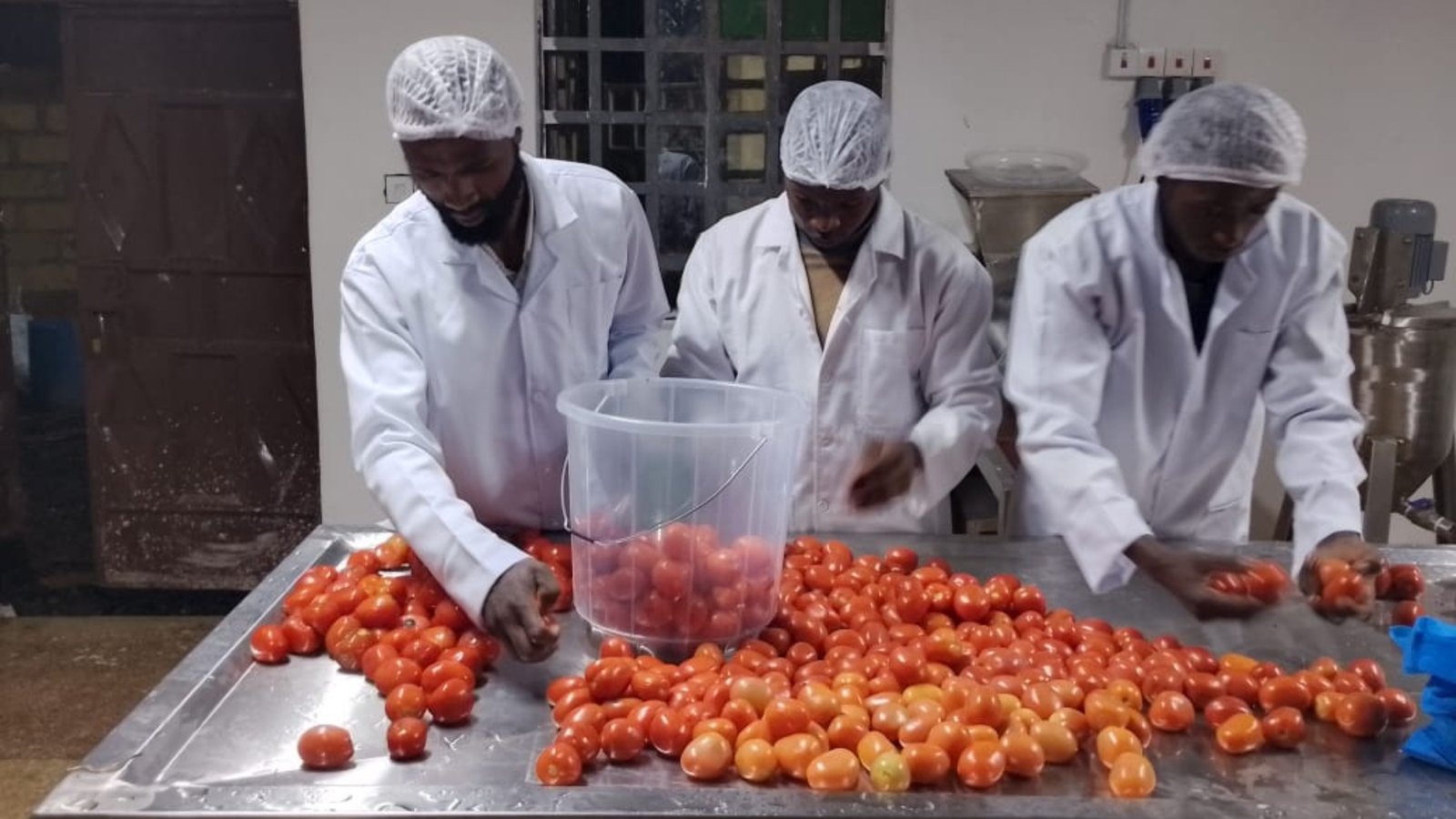
- Tomatoes collected from farms
-
- The selection process at the station
-
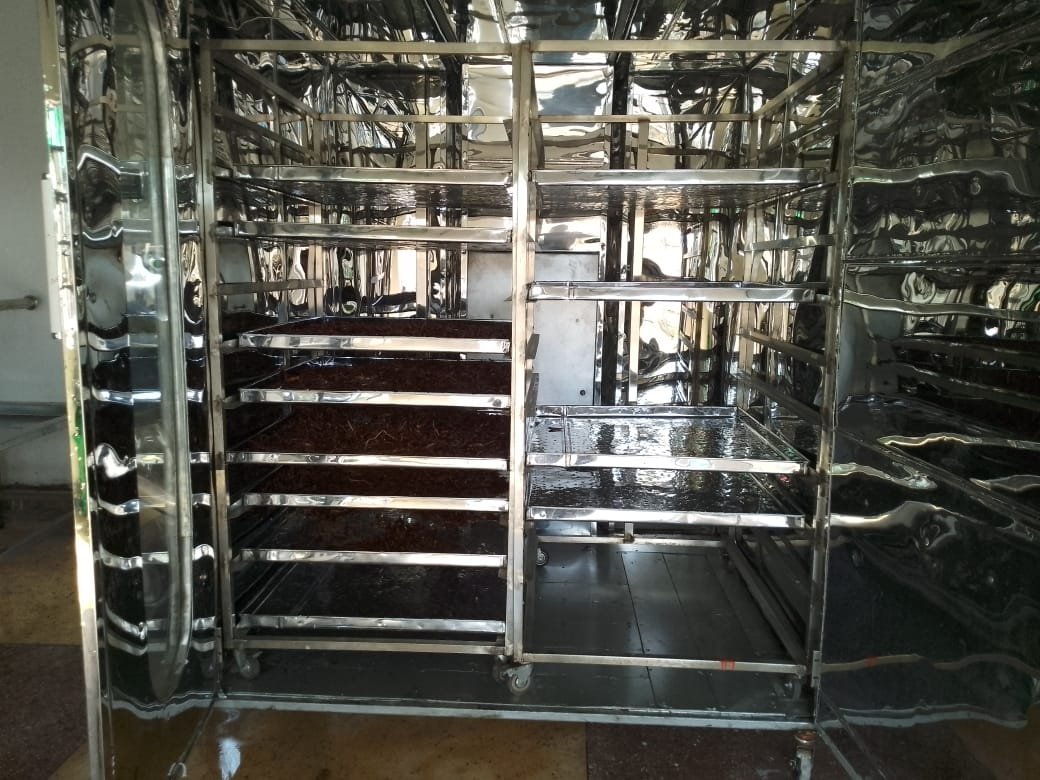
- The drier machine
-
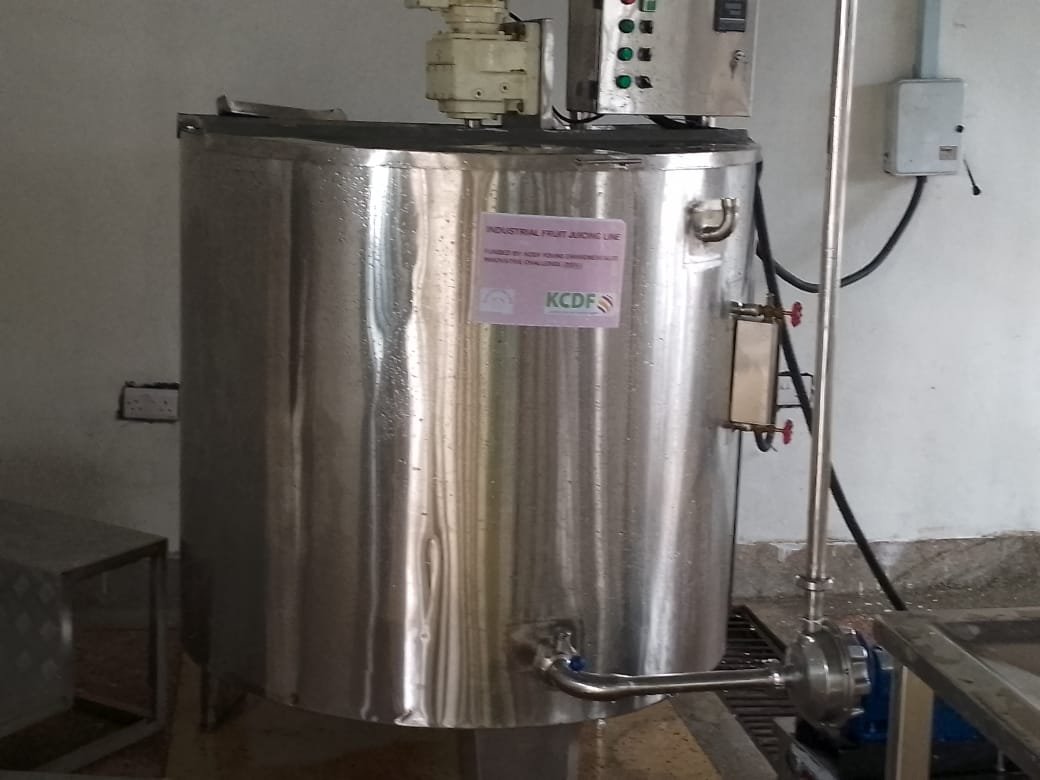
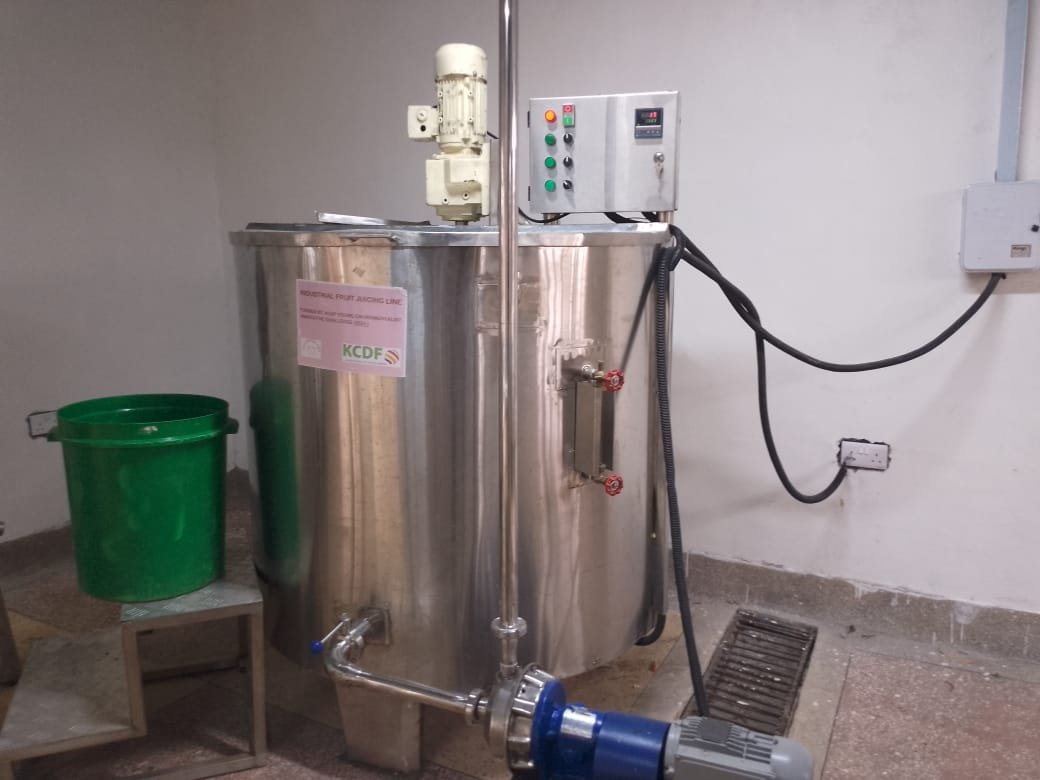
- The juicing line
-
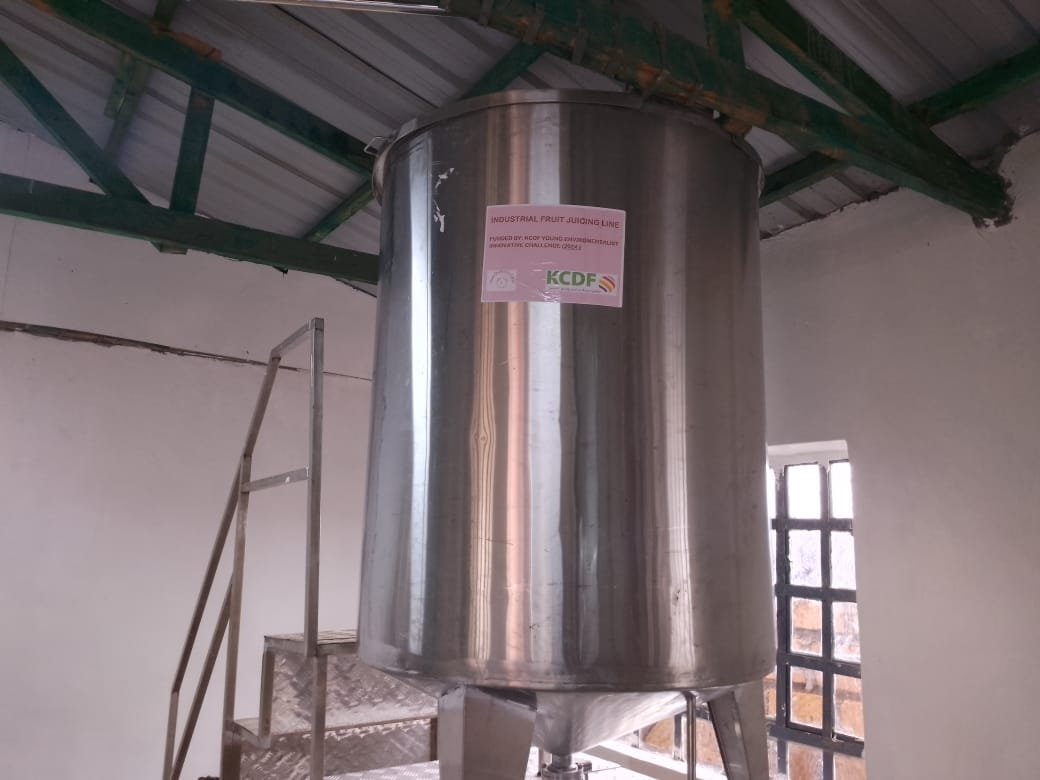
- Milling unit
-
- The juicing line
-
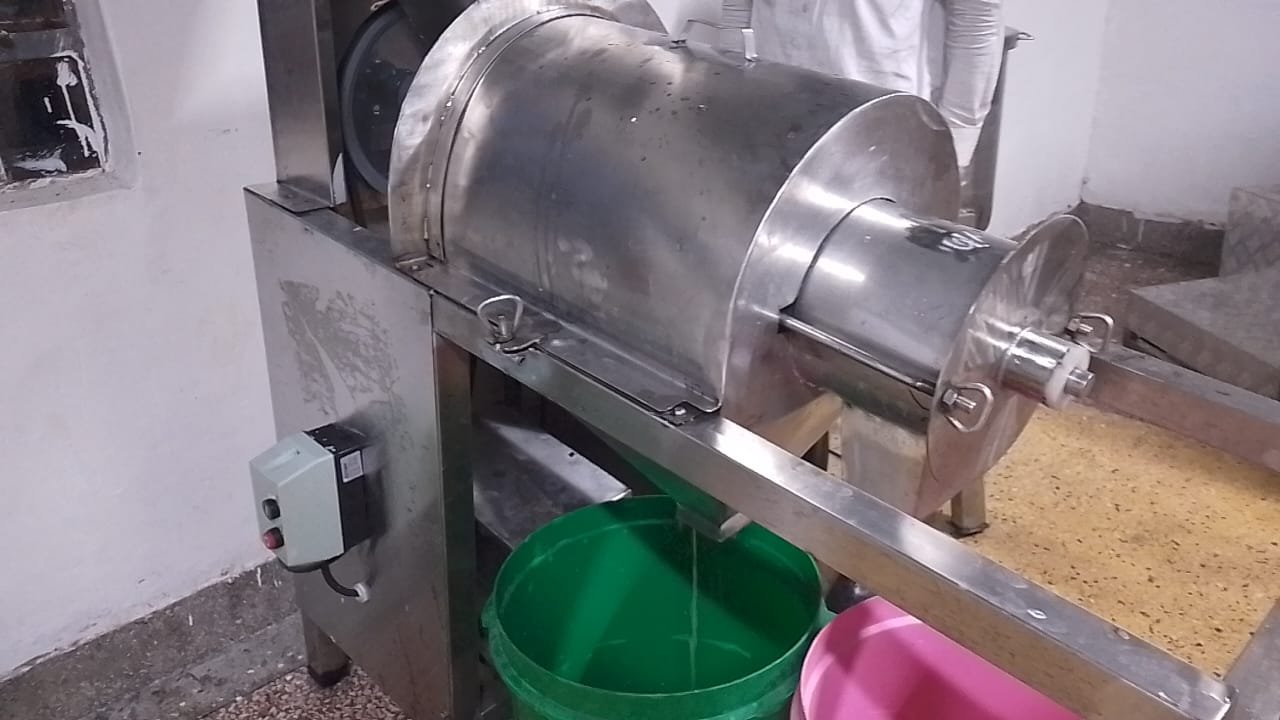
- Juicer
-
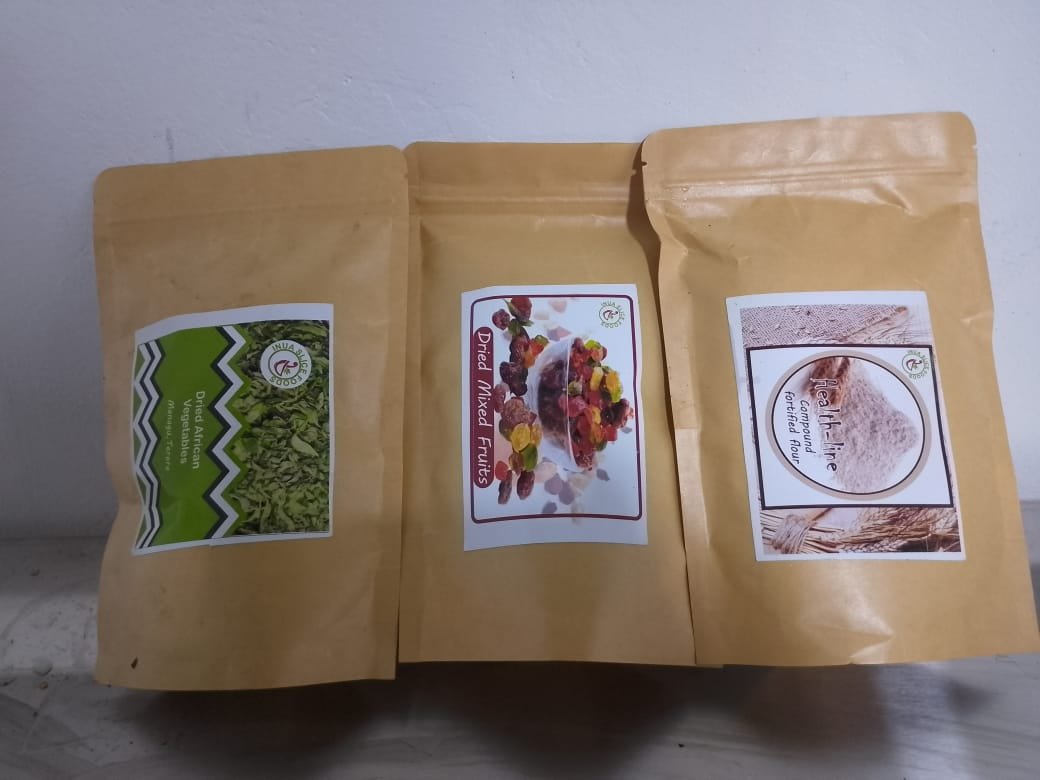
- Products after processing
Impact in Kasuku
At their centre based in in Kasuku, Nyandarua County, Inua Damsite’s impact is visible and growing. Every morning before sunrise, the doors of their community agro-processing hub open. Stainless steel worktables hum to life, the 1,000-kg juicing line and 500-kg drying unit warm up, and a dozen young people tie their aprons, ready to turn perishable harvests into shelf-stable, value-added products that protect both income and dignity at the farm gate.
These young processors are part of Inua Damsite’s expanding training programme, which now includes 82 youth. After completing their training, participants can access the hub on a pay-as-you-use basis, allowing them to earn income and improve their livelihoods. The transformation is clear; four youth groups that once struggled with post-harvest losses now have the skills to juice, puree, and dehydrate produce. They leave the hub with market-ready products and the confidence and tools to sustain their livelihoods.

Youth Collaboration and Growing Partnerships
The model is sparking collaboration across the region. WHO-FARM Venture Ltd is channelling non-market vegetables through the hub for drying and buys back the dried produce from over 300 farmers. Mirangine Dairy Cooperative plans to blend local plum and pear purees into yoghurt lines. Other partners, including Nyakazi Organic Greens, Copicad CBO (which supports food donations to Kakuma refugee camp), and Stewards of Change CBO, are already using the hub commercially. Each partnership turns excess into inventory, waste into income, and perishability into resilience.
One inspiring example is Peter Kahoro and the Rumwe Youth Group, early adopters who process surplus vegetables from Olkalou for Kakuma camps, where demand is high. Through training, trials, and certification, they now supply over 500 kg of fresh vegetables weekly to the facility. Over the next year, Rumwe Youth Group is expected to save 26 tonnes of vegetables, equivalent to 13,000 kg of CO₂ emissions avoided, while providing nutritious dried produce to communities in need.
Environmental Impact
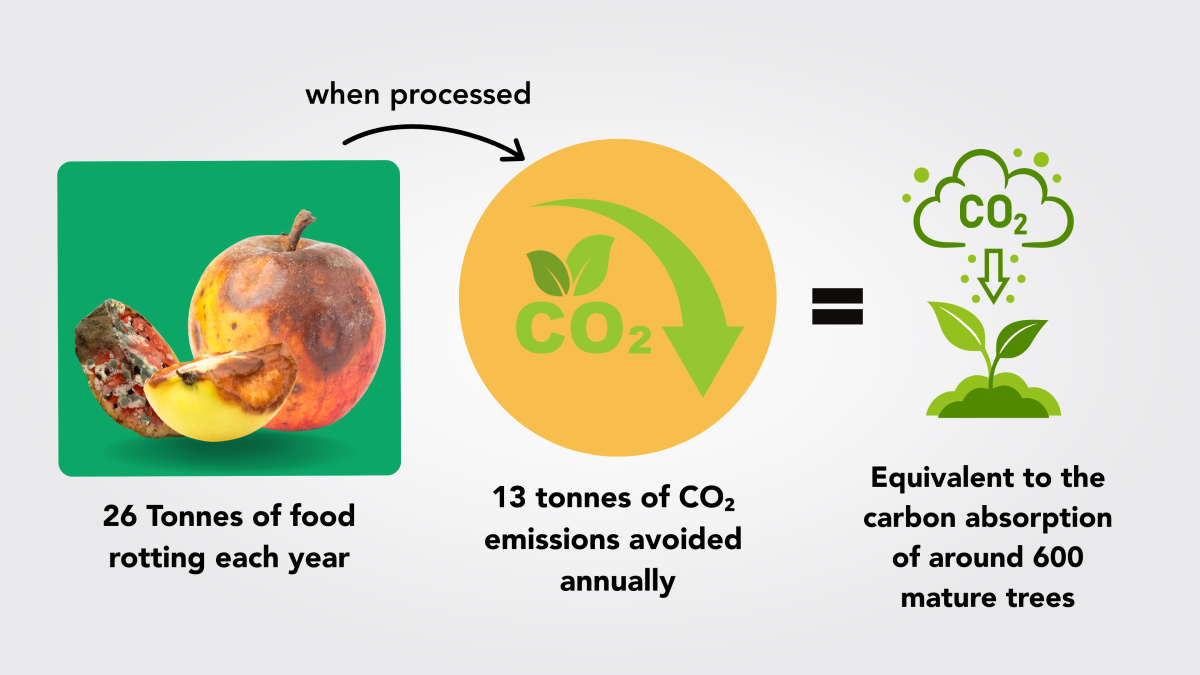
By processing surplus vegetables that would otherwise go to waste, the group prevents approximately 26 tonnes of food from rotting each year, avoiding the release of potent greenhouse gases such as methane. This effort translates to an estimated 13 tonnes of CO₂ emissions avoided annually, equivalent to the carbon absorption of around 600 mature trees or the emissions from driving over 50,000 kilometers in a typical car.
Beyond the direct reduction in emissions, their work supports a more sustainable and circular food system by extending the shelf life of local produce, reducing pressure on farms to overproduce, and minimising resource waste in water, fertiliser, and energy. At the same time, the initiative creates green jobs for young people, enhances nutrition and food security in communities like Kakuma, and strengthens resilience against the impacts of climate change. In essence, Inua Dam Site CBO’s innovation and their collaboration with Rumwe Youth Group curbs emissions and cultivates a more sustainable, equitable, and climate-smart future.
Building a Movement
The story of Inua Damsite CBO, Rumwe Youth Group, and their other partners shows the power of youth-led innovation, shared infrastructure, and local collaboration. From the first potato processors in Nyandarua to the busy agro-processing hub in Kasuku, a movement that transforms waste into wealth and vulnerability into resilience is taking shape.
KCDF continues to enhance community growth and sustainability by supporting and working together with community organisations such as Inua Damsite, to build and strengthen their core capacities by developing thoughtful, long-term collaborations. Inua Damsite’s experience demonstrates that when young people are supported and empowered, their impact extends beyond individual success. They create jobs, spark innovation, and drive community development, one innovation at a time.
#environmentconservation #innovation #youthledinnovation #postharvestlosses