



The Local Fundraising Training Empowered Women Entrepreneurs
August 3, 2024
Herdsboy’s trek from despair to A-student
August 4, 2024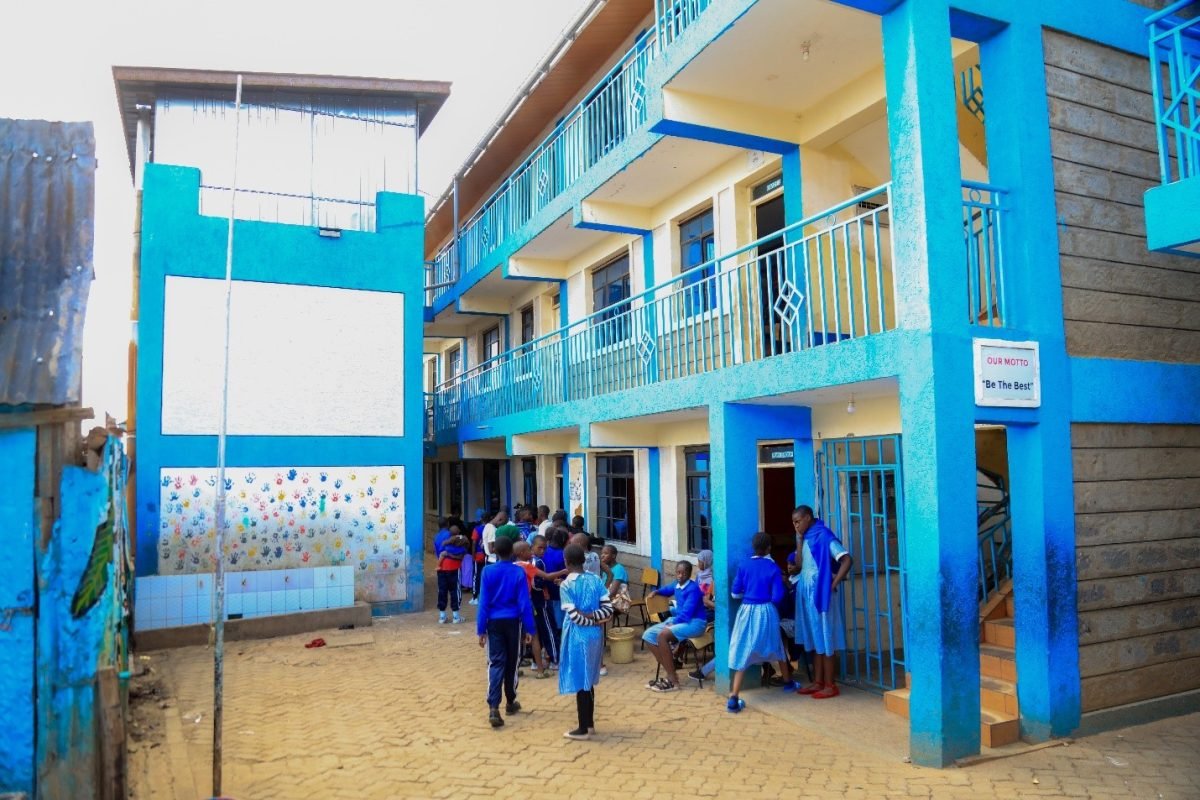
At 25, David Kitavi was not your typical young adult. He was already coming up with ways to solve the education problem in Kibera slums, his birthplace. In Kibera, as in almost every slum in Africa and beyond, challenges abound.
A walk through the largest slum in Africa is a journey through a dank maze of ever-narrowing passages trickling with sewage. Yet, against all odds, it is a place where hope is born. Kitavi, who recently turned 49 is one of the hope bearers.
On one early morning in 2000, Kitavi was going to work when he encountered a school-going girl who was crying hysterically and appeared distressed. “That incident stuck with me, and I remember attending a service and the sermon was on service to others. I decided to support the girl by taking her to an elderly woman who takes care of orphans. I later came to learn that she had been chased away from home after her parents’ wrangles.

This girl, Kitavi says, mirrored the education crisis in the informal settlement. According to the 2019 Kenya Population and Housing Census, the unemployment rate is 50 percent, and most slum dwellers earn about KES200 ($2) a day. Against this backdrop of the financial crisis, many parents didn’t prioritise education.
“I say the formation of the Youth Development Forum (YDF) was a happenstance because it’s not something that I had been thinking about for a long time. Under its umbrella is Ushirika School, which runs from Baby Class to college. We currently have more than 600 learners and 31 members of staff (including 13 volunteers),” he says.
When he founded YDF, Kitavi was working in the IT field and decided to quit to focus on this initiative. “I had just got my first job when I rallied a few friends to start YDF. When I told my parents about my resolve, they said that I was mad,” says the 49-year-old amidst laughter.
Having been born and raised in Kibera, Kitavi reflects that education was his ticket to a better life and a better chance of positively impacting the community. “That is why I decided to focus on solving the education menace.
“There are many issues affecting our community such as alcoholism, drug abuse, prostitution, and unemployment. I realised that education is a big chunk of the problem that people in our community were facing. Our focus is in accessibility and affordability because we believe that if you educate a child, you empower them academically and they stand a better chance of positively impacting their communities,” he offers.
When they realised that there was power in collaboration, a community school, Ushirika, which means collaboration was officially registered in 2009.
“The first structures we had were mud-walled rooms and were not conducive for learning. The space was not adequate, and the demand was very high, largely because people appreciated what we were doing and the positive impact on children. We received immense support from the community, and we kept making some changes and expanding. We aimed to give children a conducive environment to learn, play and grow holistically. The school offers children a chance to learn, enjoy meals at school and get uniforms,” he shares. However, the pursuit was not without hiccups.
“In retrospect, our greatest challenge was that we didn’t have the know-how to approach potential funders, write good proposals, and were very weak in networking with potential partners. The development was pathetic, there was no running water and we lacked adequate toilet facilities. It was a very tough time because we desired to have a child-friendly environment and there were a lot of discussions around that.
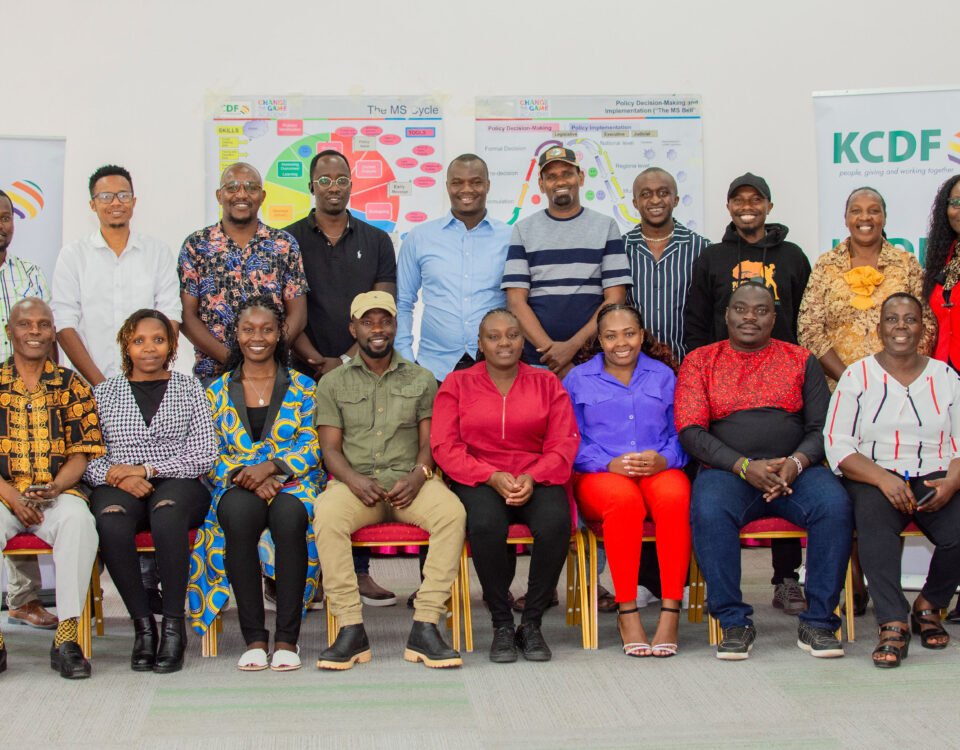
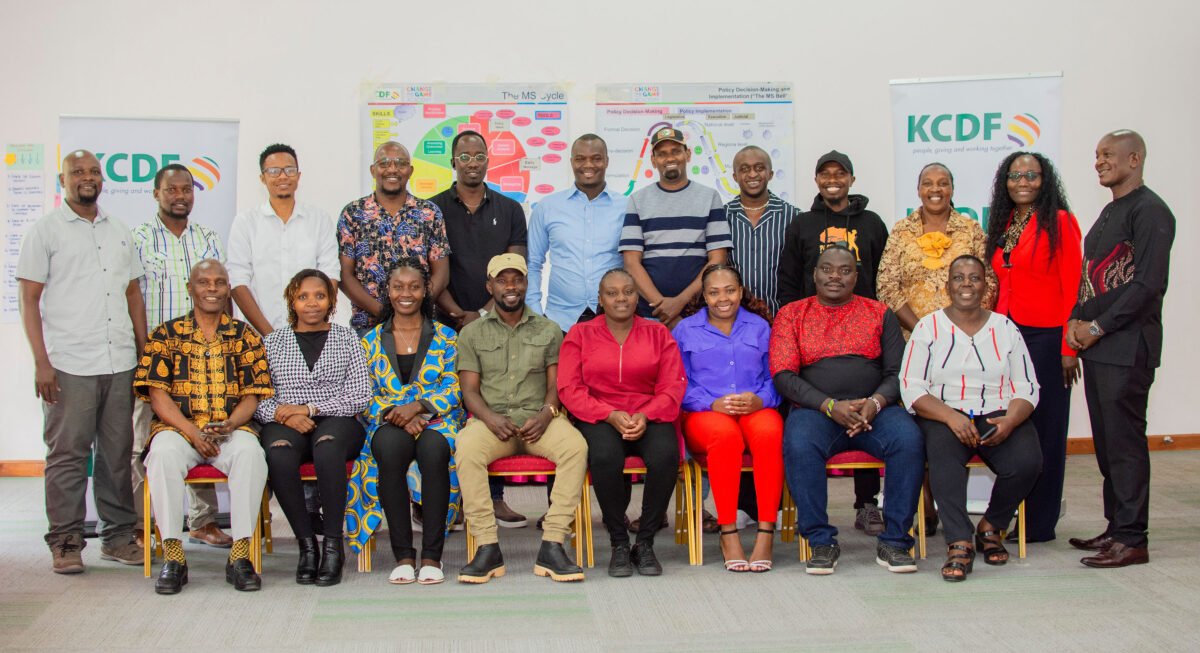
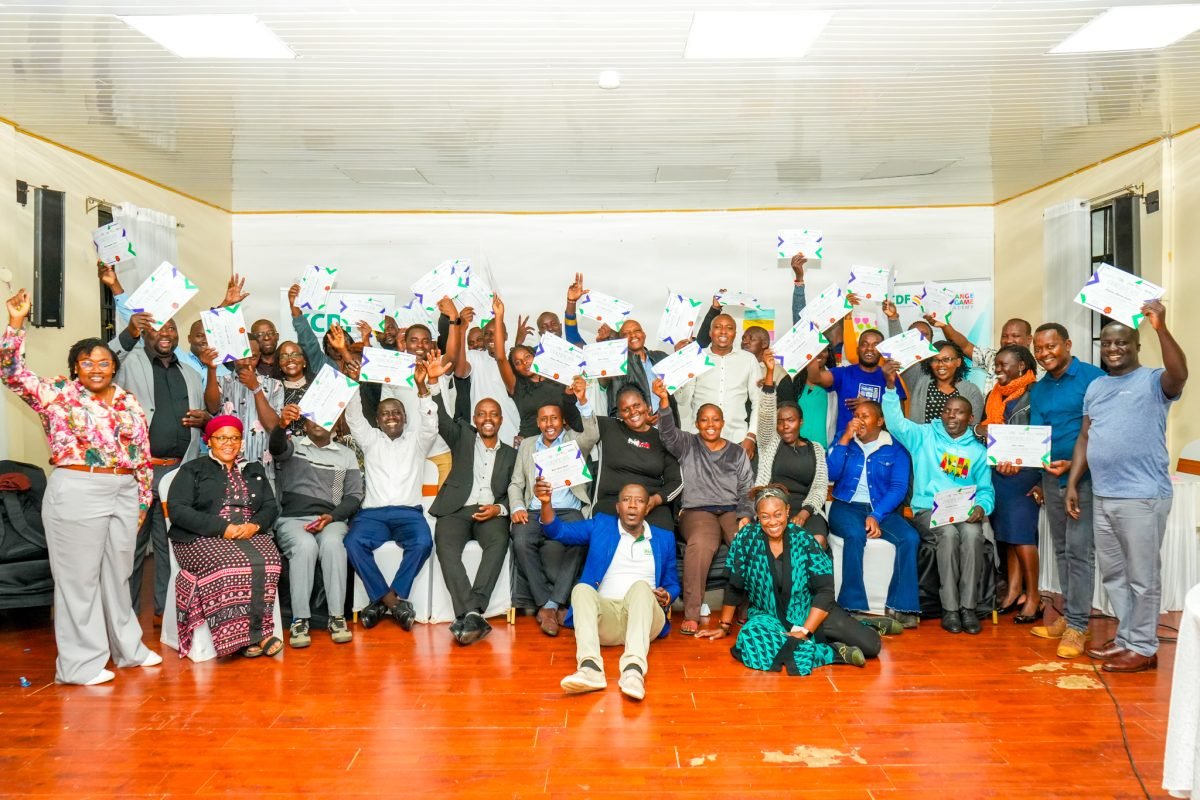
According to Kitavi, enrolling in the local fundraising program by KCDF through Change the Game Academy in 2019 was the real game changer. “We were able to learn the techniques of fundraising, which included mapping up stakeholders to approach and being trustworthy.
After the training, we came energized to implement what we learned. The first step was to form a team of 45 people who took roles amongst us, and we took up the challenge of fundraising because that was the only way.
Some of the stakeholders involved were parents and members of the community. For Peter Kyule, 54, a renowned fabricator and the owner of Peter Engineering Works, makes the students’ beds at a subsidised fee.

The school’s beneficiaries also come in handy during fundraises as they can showcase how the learning institution, which aspires to have a hospitality college, has impacted them.
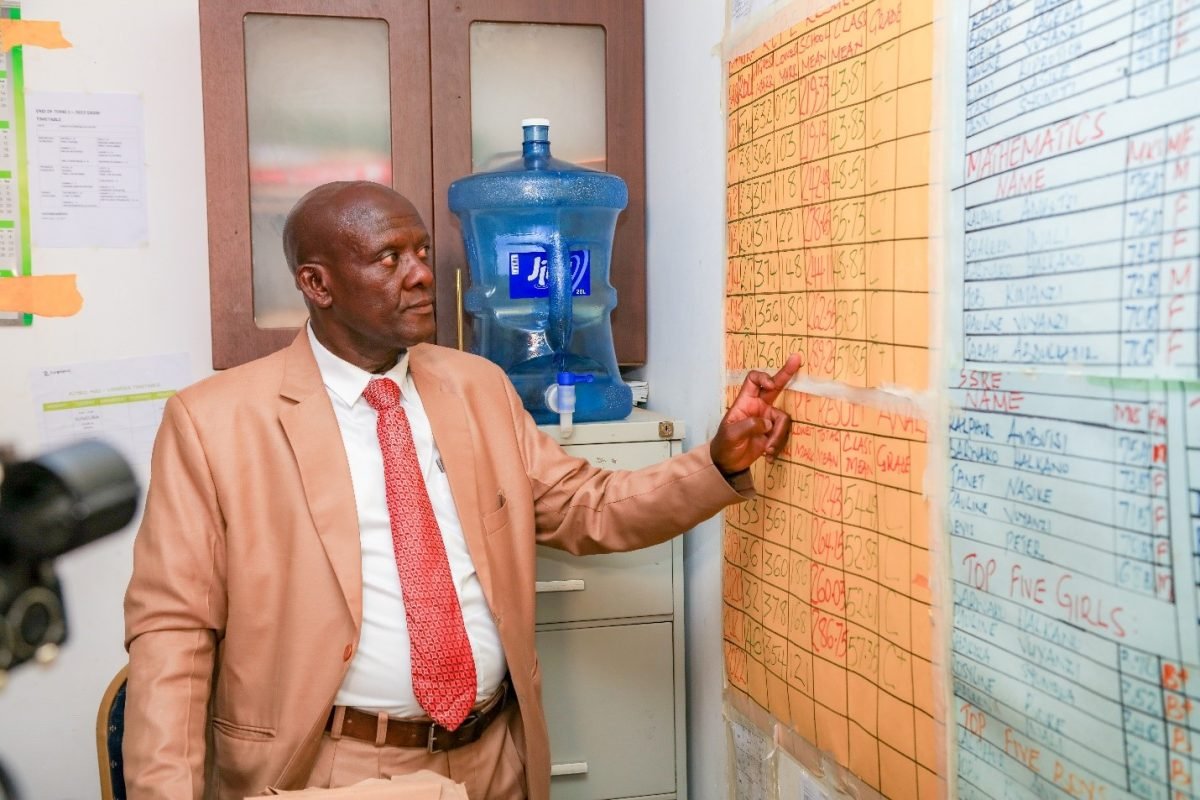
Ushirika School’s principal, Mr Wilson Aluda joined the school three years ago before the construction of new classrooms. “Back then, the children in the class were sweating when hot, again when it rains, water would come through the iron sheets and disturb learning but right now with these good facilities, children sit comfortably, and they feel secure. It has also helped to improve in academics, and some have even gone to national schools.
All this because we approached local donors, who were gracious enough to support our efforts in building this school,” he offers adding that they wrote many concept letters and proposals drawn from what they learnt through Change the Academy. Kitavi reveals that the ECD project raised about KES11 million.
Since the construction of the new buildings and a playground, the school prides itself on good performance and reduced absenteeism. “We have witnessed improved academic performance amongst our children because of giving them a good environment”.
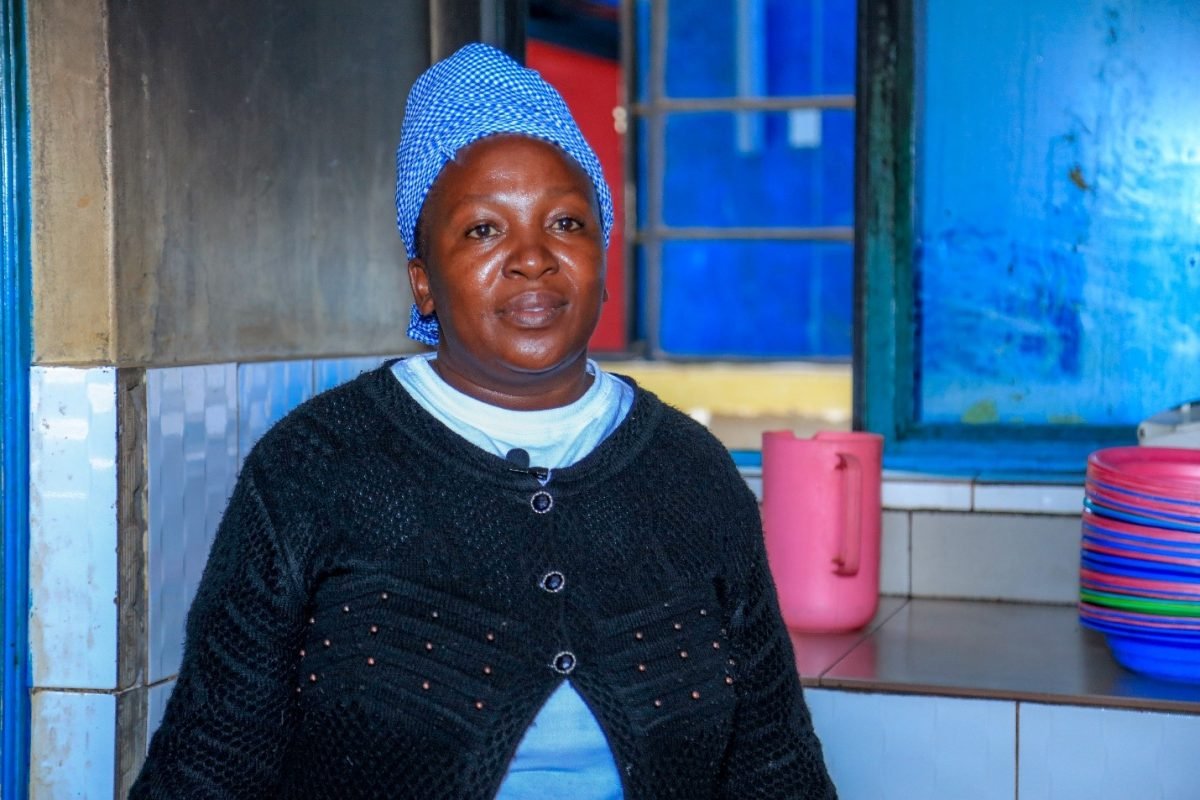
Ann Kathambi, the school’s cook cannot hide her joy at the new state of the school located at Laini Saba in Kibera. “We are three cooks and we used to make meals in a mud-walled kitchen which was very hot. I am very happy that we have a better structure,” she says.
For Edwin Mutisya, 12, a grade six learner, is happy that the school has a bigger compound than before while 11-year-old Victoria Wangari, a grade five pupil appreciates the fresh air and the availability of clean drinking water.
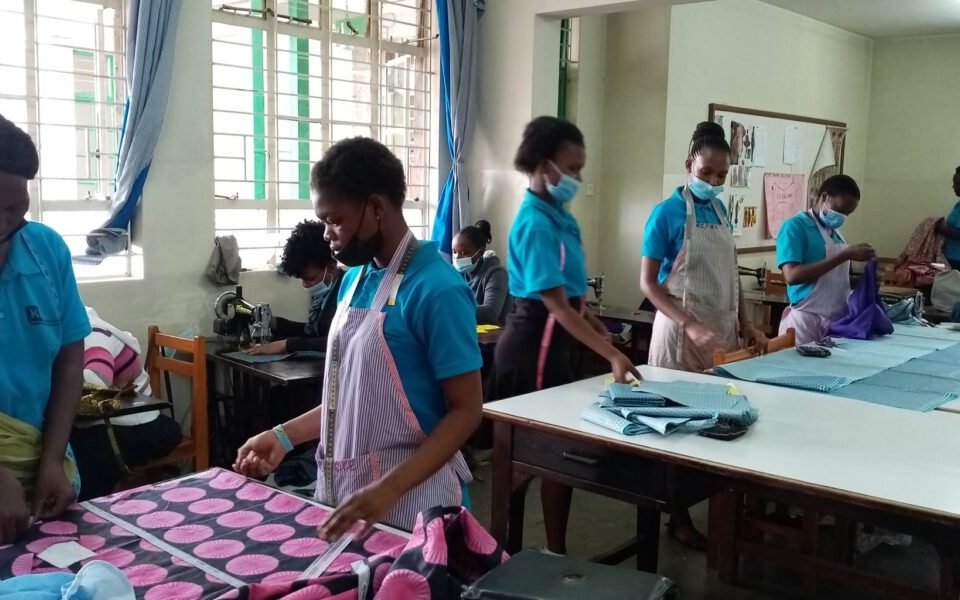
“We plan to start a college in hospitality and IT for girls. We also want to start training our children on coding and have them embrace sportsmanship in the spirit of the Competency-Based Curriculum (CBC). Also, involve our parents and guardians especially those who are not able to make a meaningful income, so we train them on skills like how to make soap, and how to do tie and dye,” offers the one-time Laini Saba MCA.
What keeps Kitavi going is seeing children who went through the institution come back to support the centre. “We have three students in university who are now fundraising to support needy children. When we see children who have passed through our hands go to college and get meaningful employment, it gives us hope. When our children perform well in the national examination and sports it motivates us to forge on,” he offers.