


Measuring What Matters: Key Insights from the Morocco Convening
March 23, 2025
INSPIREHER Mentorship Graduation Empowers 336 Girls at Ngara Girls Secondary School
March 28, 2025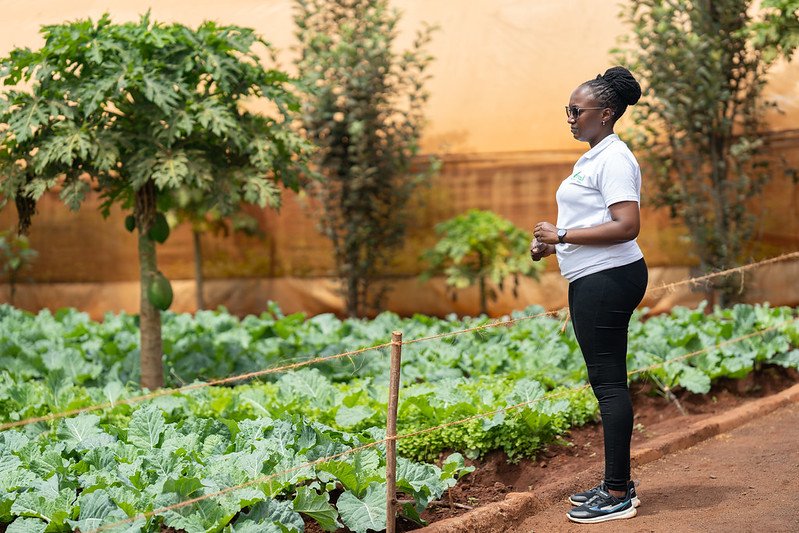
A two-hour drive on a rainy morning along a busy Mombasa Road led us to the Emali Dedicated Children’s Agency (EDCA) in Emali town, Makueni County. Upon entering the centre, we were greeted by a lush compound filled with healthy vegetables and a large water distribution point—a remarkable sight to behold.
We were welcomed into the office and guided through EDCA’s work to improve the livelihoods of locals in the region. EDCA aims to create safe environments that empower children and enable sustainable livelihoods within the community.
“EDCA is a non-governmental organisation that works to create opportunities for deprived, excluded, and vulnerable children, focusing on child survival, growth, and development by supporting families and caregivers in meeting their needs. One of our key focus areas is implementing water, sanitation, and hygiene projects to ensure communities have access to sufficient and safe water,” said Victor Aduda, EDCA’s Chief Executive Officer.
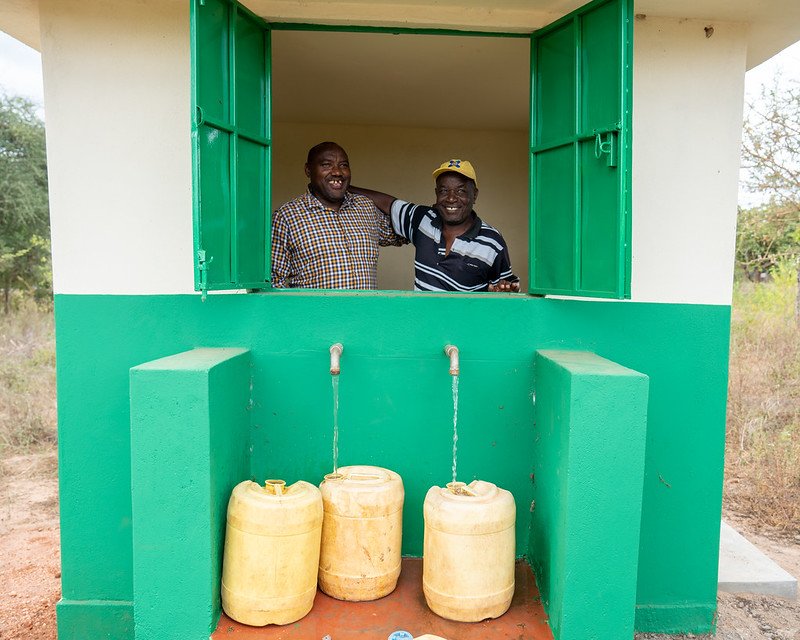
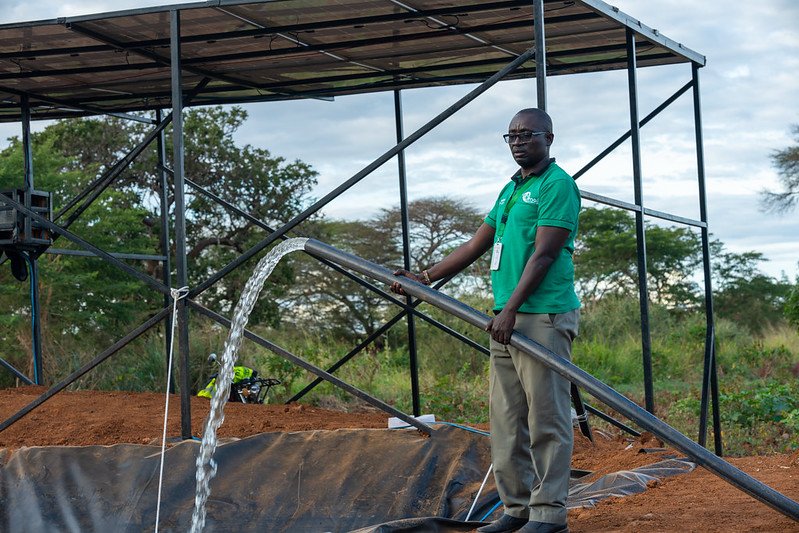
With support from KCDF through the Giving for Change Programme, EDCA constructed a 2km water pipeline that now connects two schools and a community kiosk. This provides essential water access for hundreds of people and reduces the distances they previously had to walk to fetch water. What sets this project apart is how it brought the community together, tapping into local resources and collective spirit to make it happen.
Background Information
“This region is prone to long spells of drought and water scarcity, so community members are used to walking long distances to fetch water. Kikuu River, the only river in the area, is seasonal, and most locals must walk up to three kilometres to collect water from scoop holes,” explained Jacinta Mumbua, Programmes Officer at EDCA.
The Itaava Self-Help Group (SHG), in partnership with EDCA, proposed a water project to reduce the distances locals must cover in search of water. EDCA worked closely with the community to mobilise local resources for the project. KCDF supported the initiative by matching the remaining amount through the Giving for Change Programme.
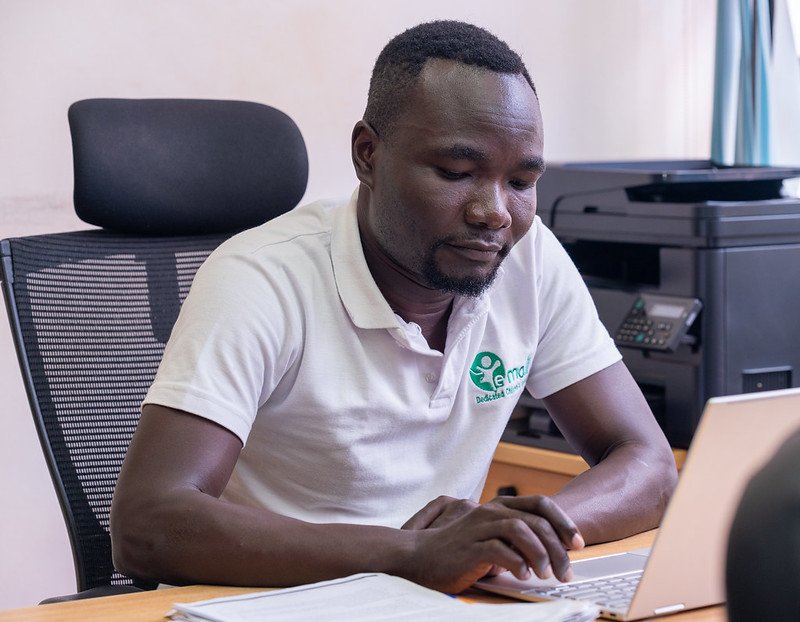
Victor Aduda, Chief Executive Officer at EDCA.
“We underwent KCDF’s Change the Game Academy local fundraising training, which enabled us to mobilise resources locally and involve the communities in the project’s implementation,” Victor highlighted.
The main goal of this project was to instil a culture of local resource mobilisation. “The broader vision of the programme is to amplify the community’s voice and agency by recognising the power of available local resources and placing philanthropy on the map,” said Hellen Kuria, KCDF’s Programme Coordinator for Community Voices and Philanthropy.
EDCA raised KES 2.5 million for the project, with the community contributing KES 700,000 through labour and locally available materials. KCDF, on the other hand, matched this amount, KES 2.5 million, ensuring the project’s success.
“By involving the community, we enhanced the project’s ownership and long-term sustainability. 273 community members actively participated, volunteering their time and providing tools to build the pipeline. Their dedication demonstrated a deep responsibility for improving their environment and livelihoods,” Victor shared.
Impact Realised
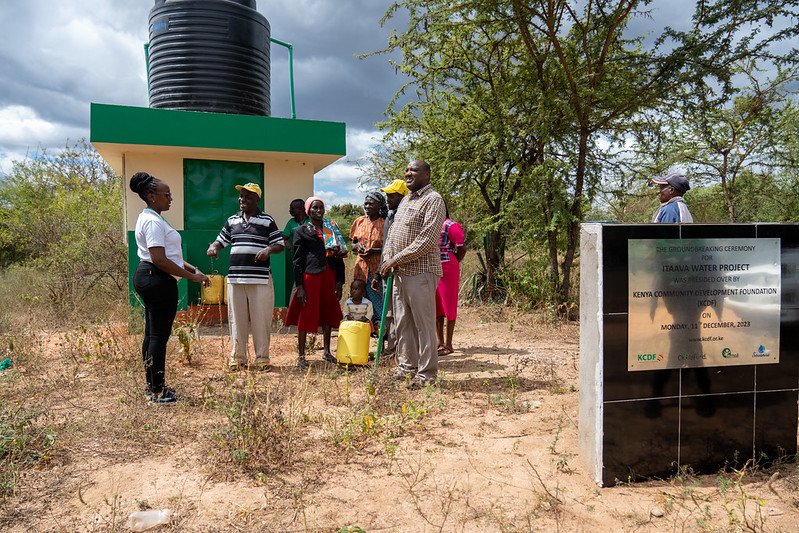
This initiative resulted in the establishment of a community water kiosk at Itaava Market, which serves over 1,500 residents with reliable access to clean water. The newly installed pipeline now also supplies two schools, significantly reducing their water expenses.
“KCDF and EDCA will go down in the books of history here because water has always been a big issue. Itaava Primary School and Itaava Secondary School are integral beneficiaries of this water project. Previously, primary school students had to carry water jerrycans to school daily, which took up much of their academic time. The secondary school, a boarding school, had to purchase water from water bowser companies, consuming significant funds that could have been allocated to other development projects,” explained Urbanus Mutinda Mativa, Chairman of Itaava’s SHG.
In addition to improving water access, the project promotes environmental sustainability by encouraging climate-smart agriculture practices. “We conducted a one-week training on climate change for village-based assistants, who then cascaded the knowledge to other community members,” Jacinta said.
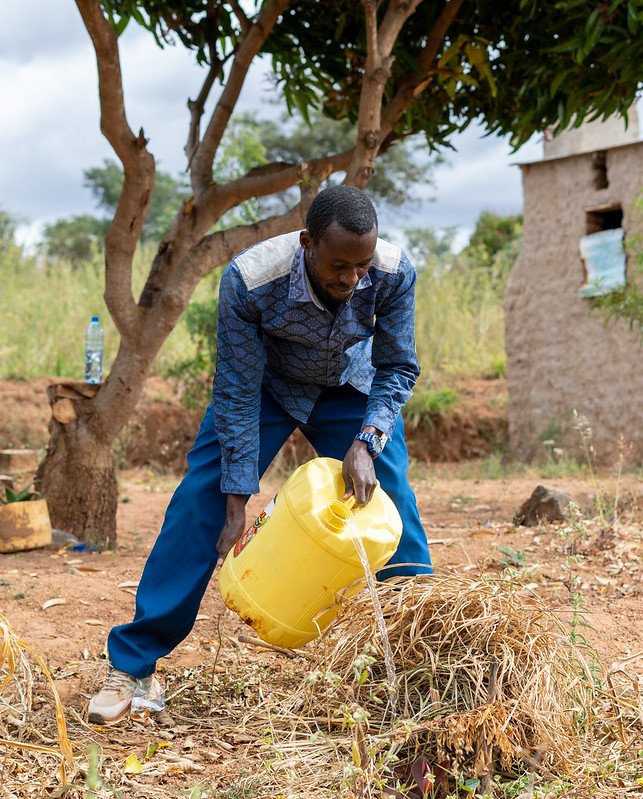
Joseph Wambua, Itaava SHG, Community Member.
EDCA also visited over 500 households in the community, training youth, women, and school students on environmental conservation. “The training has been impactful; I now understand how climate change is affecting weather patterns and escalating temperatures,” said Joseph Wambua, a community member.
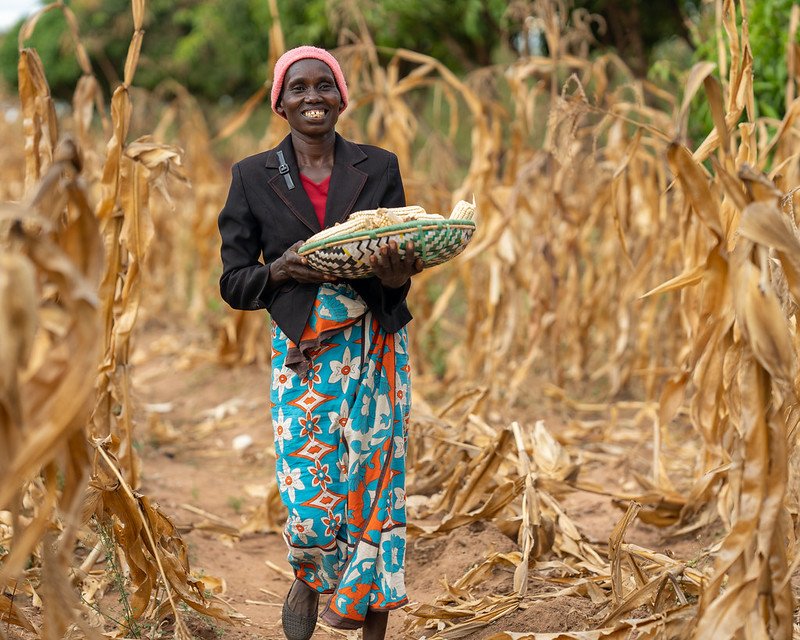
Rose Katambi, a Community member of Itaava Village who also benefited from the project, holds her farm’s produce.
Rose Katambi, another community member who received the training, has already begun planting trees in her compound. She’s pleased with how the project is improving her life.
“For the Giving for Change Programme, the growth has been in the relationships and partnerships KCDF has built, the conversations around shifting power, and how KCDF can now fund advocacy. This project has ensured that communities are at the heart of change through local philanthropy,” concluded Grace Maingi, KCDF’s Executive Director.
The story of EDCA’s water pipeline project is a powerful example of local mobilisation. When communities unite and pool their resources—time, tools, and talent—they can turn challenges into opportunities. In Makueni, this initiative has changed lives and set a shining example of how locally driven efforts can create lasting solutions for future generations.
#LocalFundraising #CommunityDevelopment #ShiftingThePower #WaterAccess #Sustainability #ClimateSmartAgriculture