


SCORE Transforming Lives in Siaya County through Agriculture and Local Philanthropy
September 2, 2025
KCDF Newsletter, July 2025
September 9, 2025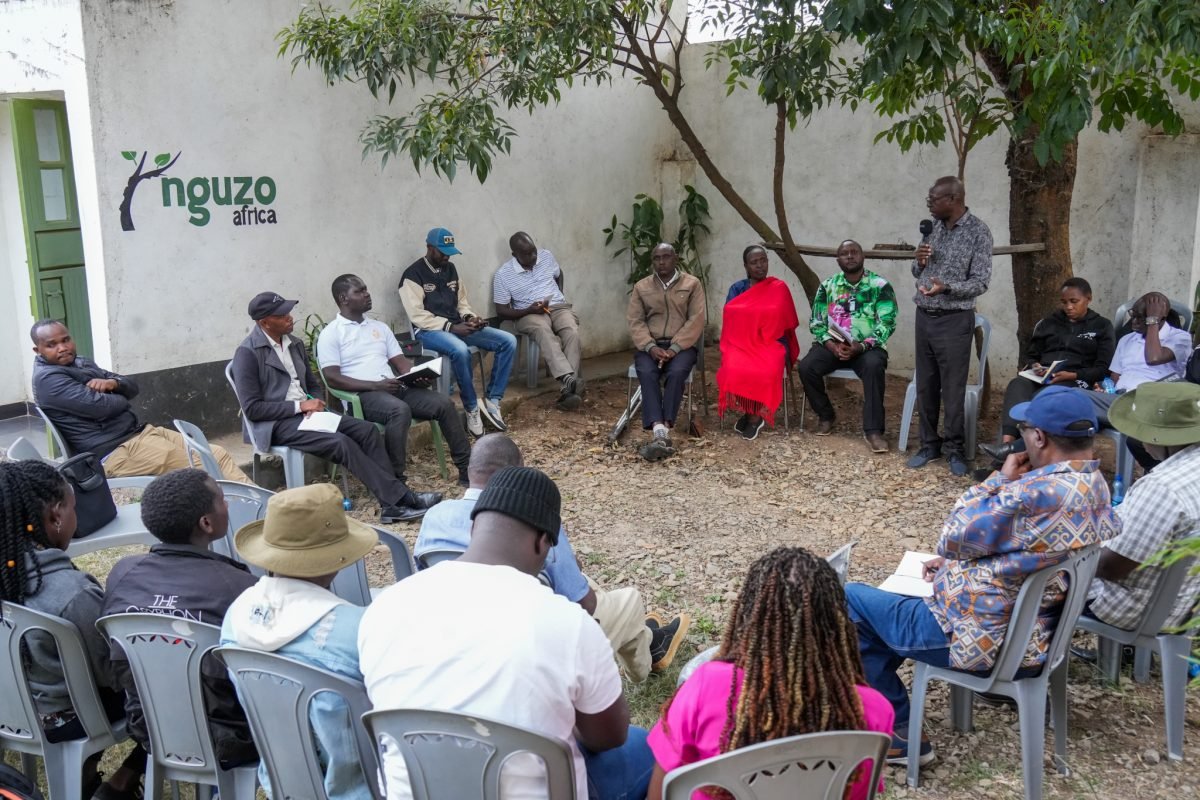
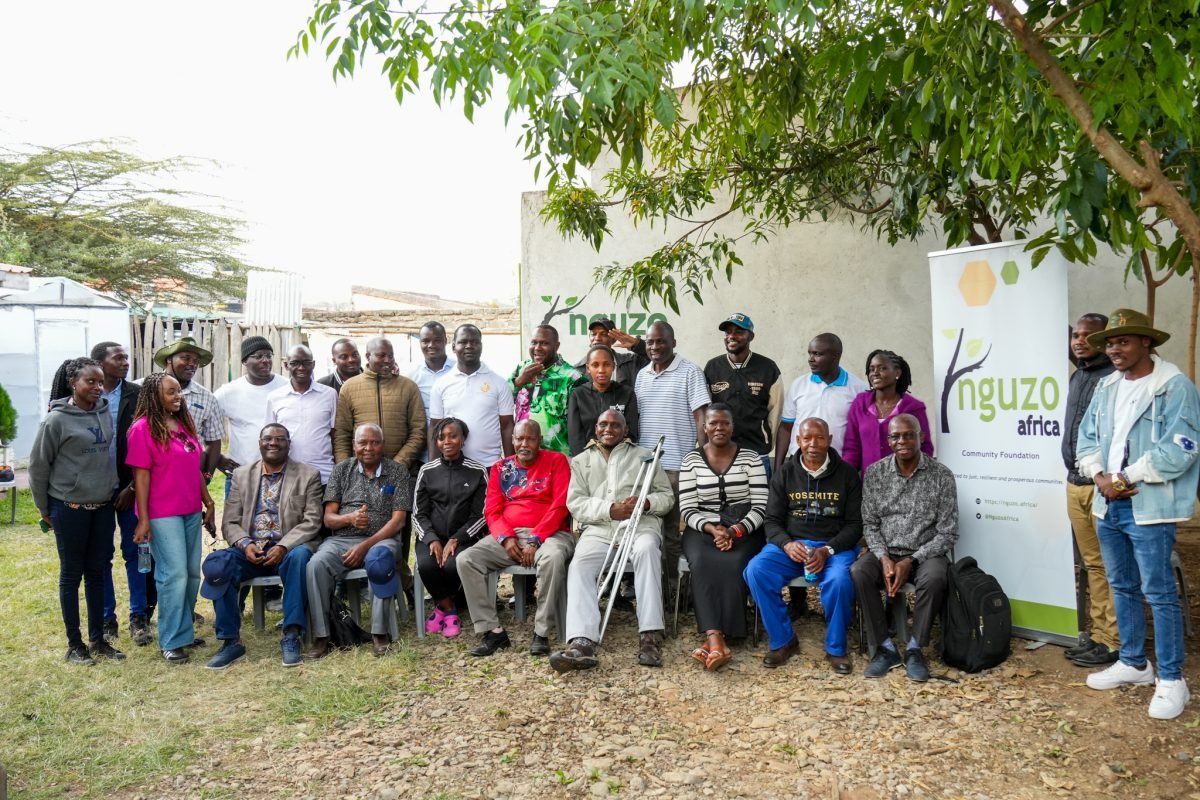
On a scorching afternoon, a team from KCDF and 12 partners supported by the Mott Foundation set off to Nguzo Africa in Narok County for a learning visit. Nguzo Africa has been working with KCDF for more than ten years, implementing community-led development projects and promoting local philanthropy within their community.
Founded in 2011 as a small community-based organisation (CBO), Nguzo Africa partnered with KCDF in a resource mobilisation effort to set the tone for years of impact. In their first interaction with KCDF as a community foundation, they raised KES 1 million from the community. KCDF matched it, giving them an additional KES 1 million to launch their first major initiative: the MSolar project, which aimed to provide affordable, clean cooking solutions to rural households.
Although promising, the initiative faced stiff competition from larger, commercial players. It was eventually shelved, and they redirected their focus toward something more long-lasting: environmental sustainability.
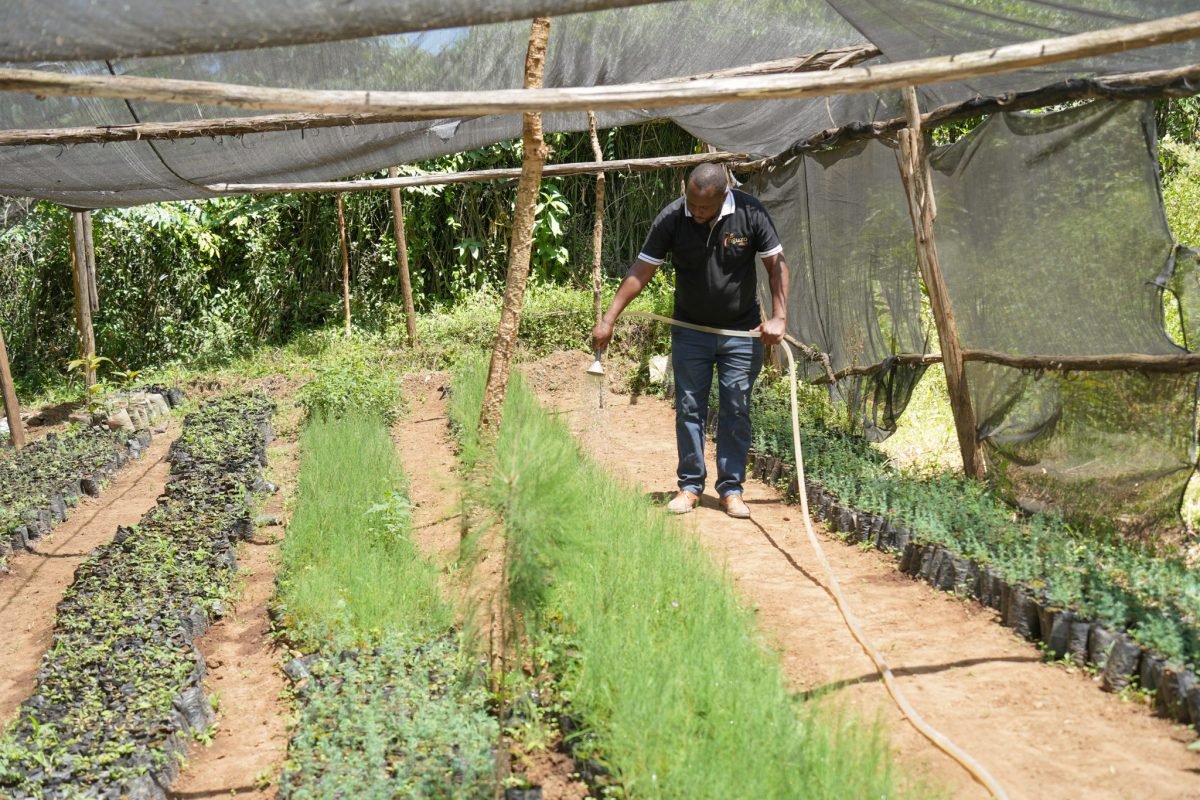
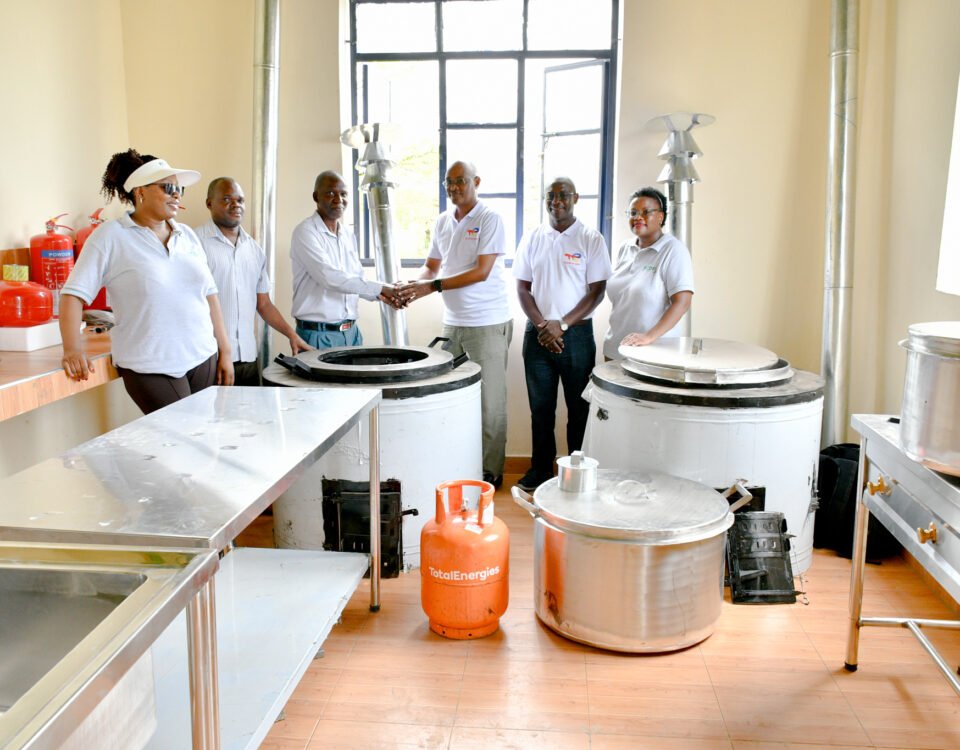
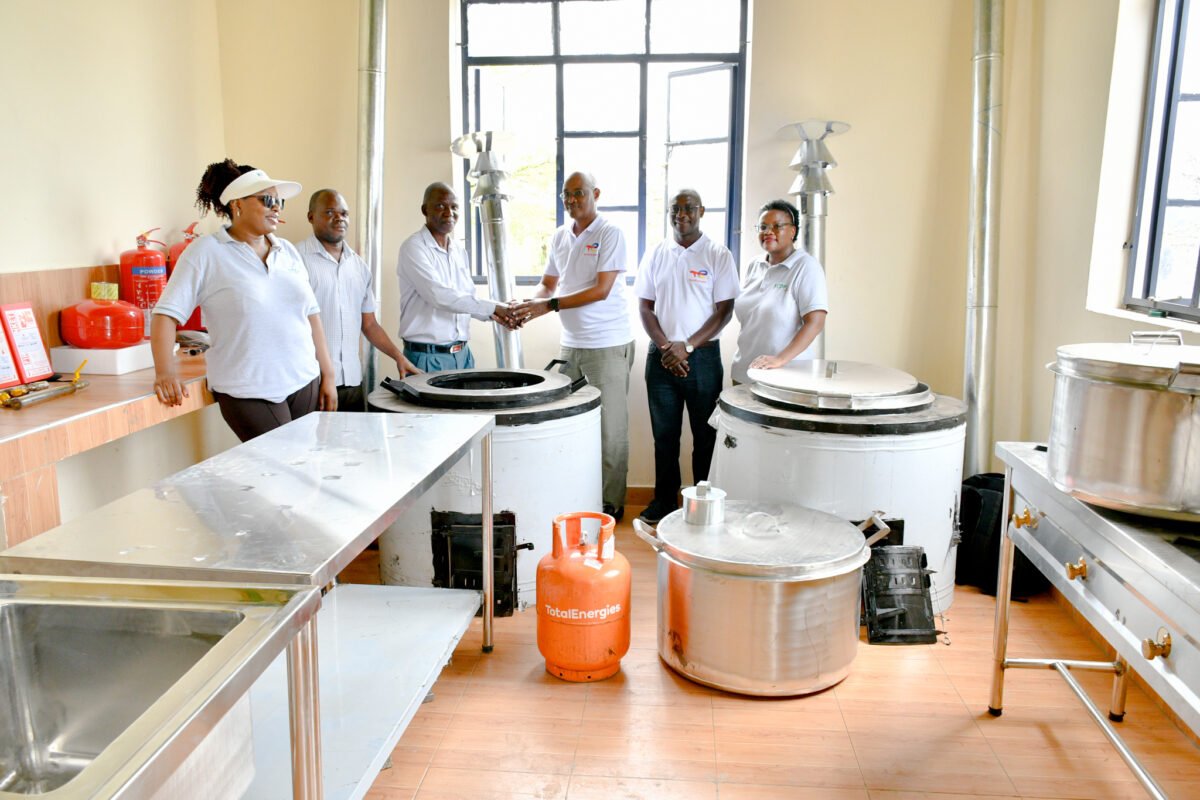
In the following years, Nguzo Africa shifted to tree-planting and ecological education. They worked with schools, distributed clean cookstoves and seedlings, and taught the value of preserving the environment. What began as a few seedlings in school compounds has now evolved into an ambitious plan to grow 10 million trees in 10 years.
The change in scale and ambition didn’t happen overnight; it was catalysed by the “Strengthening the Community Foundation Movement” project, implemented in partnership with KCDF and the Mott Foundation. Under this programme, Nguzo Africa registered as a community foundation in April 2022, opening doors to local and international funding, including support from the Global Fund. Their strategic plan for 2022–2027 was born out of this transition.
With funding from the Mott Foundation, they refurbished their offices, improved governance by establishing a functional board, and adopted digital tools to enhance visibility and communication. One grant supported the development of a resource mobilisation strategy; another facilitated the launch of a community fundraising event that would soon become their signature movement, the Mau-Mara Run.
The Mau-Mara Run
The inaugural Mau-Mara Run was more than just a marathon; it was a rallying cry for environmental conservation, community action, and local giving. The 2024 event raised an astounding KES 1 million in cash and in-kind contributions, funding seedling distribution across schools and communities. It wasn’t just about planting trees but about planting ownership, responsibility, and hope.
“Once we secured resources, we purchased seeds, paid nursery attendants, and distributed seedlings,” says Mr. Ogechi, the programme lead at Nguzo Africa. “We were targeting parents too, asking each family to help their children grow at least 10 trees at home.”
The plan was to expand tree planting into neighbouring villages. In Ngareta Ward, where most farmers owned over 50 acres of land, Nguzo Africa worked to establish mini forests with 50 farmers each setting aside two to three acres for trees. The fertile grain belt supported this ambitious plan, as the community began to see trees not just as a conservation tool, but as a source of income.
From Local to Global and Back Again
Nguzo Africa’s success caught national attention. What started in just three schools in Narok South with the initial KES 2 million investment has now grown to an annual gathering, thanks to a partnership between KCDF and I&M Foundation. To date, they have planted more than 150,000 trees in 55 schools, public and community spaces.
“KCDF has trained us to become innovative in mobilising resources locally,” Mr. Ogechi explains. “Rather than wait for external donors, we engage directly with our community, making all the difference. We collaborate with duty bearers and government officials to reach community members, which was our way into the locals, to ensure acceptance and integration of the idea. This also helped us break through the hidden cultural barriers and the generalisation habits of NGOs that have worked in the region. Additionally, the branding of their facility and the establishment of an office created strong visibility for the organisation, promoting trust within the community.”
The conversations were inspirational to the visiting team, who saw how Nguzo Africa influenced the community members to adopt the tree-planting culture for environmental conservation. He also explained how they have been working on a new project to establish a cooling centre to store vegetables to improve the area’s food security.
Among the lessons learned was how the Mott Foundation strengthened the organisation, enabling it to establish a strong internal structure, have systems for accountability and transparency whenever it receives funds from people, develop a feedback mechanism and strategically know how to work with the media to share the information about its work or events.
With eyes set on growing millions of trees, mobilising thousands of families, and inspiring more community foundations across Kenya, their story proves that meaningful change begins where the heart is, within the community itself.
As Elizaphan from Nguzo Africa told visiting partners during the learning session, the key to their success has been working with local government and community leaders. “The most progress we’ve seen has been where we collaborate. The Mara Run showed us that when everyone chips in, transformation is unstoppable.”
#institutionaleffectiveness #communityleddevelopment #environmentconservation