




Evolution of TechSoup Program Management in East Africa
August 25, 2025
Nguzo Africa’s Green Movement in Narok County
September 3, 2025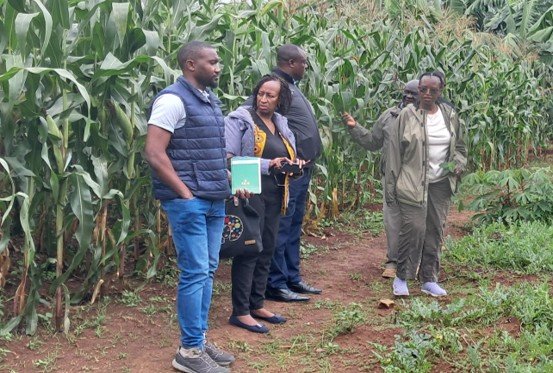
In Siaya County, communities are experiencing meaningful transformation through the support of the KCDF Pamoja for Change (P4C) programme, in partnership with Wilde Ganzen. During a partner visit in July 2025 at the Support Centre for Orphans and Education (SCORE), KCDF witnessed the tangible impact of the programme.
Through their Sustainable Household Agricultural Productivity and Empowerment project, SCORE focuses on improving women’s and caregivers’ lives across Siaya County. The project’s targeted goals include improving household incomes by 50%, increasing nutrition among children under five years by 60%, ensuring 80% of target households become food secure, and helping 83% of group members record increased profits or productivity in their businesses.
With a disbursement of KES 1.2 million and having spent just KES 800,000 at the time of the visit, the project has already shown a remarkable impact, strongly reflecting KCDF’s core pillars of community-led development and promoting local philanthropy as catalysts for sustainable, long-term change.
Changing Attitudes, Securing Food, and Restoring Dignity
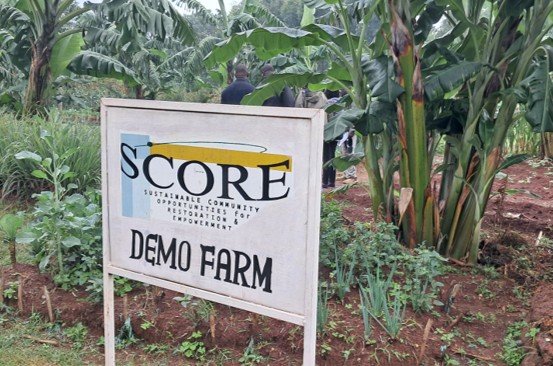
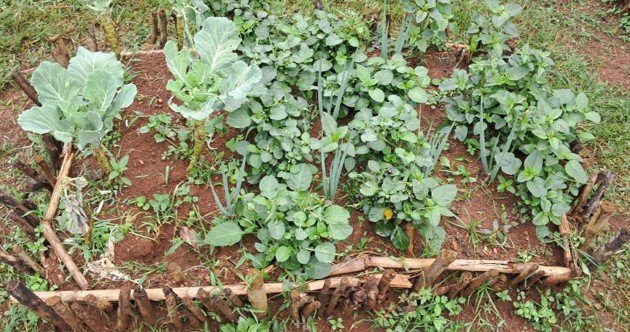
Through the establishment of community demonstration sites, attitudes toward food production and nutrition have shifted significantly. In just six months (January to June 2025), 67% of the 1,300 participating households, approximately 870 families, established kitchen gardens. These gardens feed families and generate income from selling surplus produce in local markets.
SCORE has worked with 25 community groups, training households on farming techniques, financial literacy (SILC), and life skills. Flourishing agricultural value chains include maize farming (95%), indigenous vegetables (94%), medicinal herbs (86%), and apiculture (15%). Notably, no malnutrition cases have been reported among participant households since the programme’s launch. This directly supports Siaya County’s performance on child health indicators, such as stunting, wasting, and underweight cases, which have historically been high according to 2021 KNBS data.
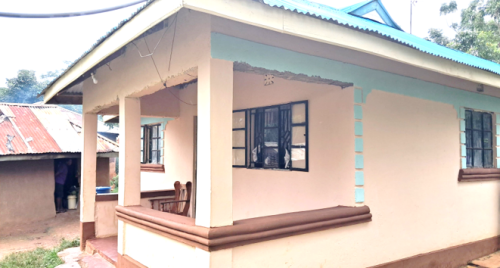
Pamela, a member of the Lowe SILC group in Alego Usonga, has turned her life around through SCORE’s kitchen gardening and savings training. She started saving just KES 300 daily, but this small habit enabled her to borrow funds, grow her business, and ultimately upgrade her home from a mud hut to a permanent stone house, a dream she had long thought impossible. Her story is not just one of financial progress but also of restored dignity and belief in her potential.
Empowerment Through Financial Literacy and Business Boosts
The Joan Kitty Boost, a micro-lending initiative under the programme, has enabled 529 caregivers to access loans and invest in their businesses. Of these, 441 (83.4%) successfully launched or expanded enterprises, and 382 (69.2%) reported increased profits. As a result, 83% of group members saw improved productivity and profit margins, evidence of the financial ripple effect SCORE has sparked in these communities.
This financial empowerment is also reshaping household dynamics. With women now contributing to food production and income, many have found a stronger voice in their homes, leading to a reduction in gender-based violence (GBV), most of which previously went unreported due to fear and societal norms.
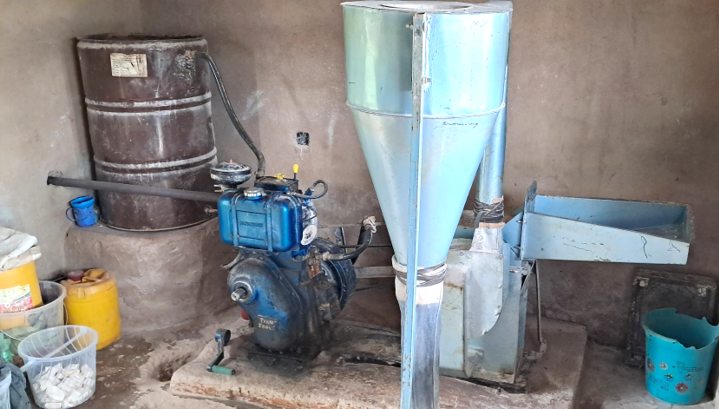
Sipros, from the Mavuno SILC group in Sidindi, is a testament to this empowerment programme. She began her journey with a KES 5,000 loan to plant crops. Her harvest exceeded expectations, and she invested in a cereal business with the proceeds. Today, she runs a posho mill serving over 1,000 households in her village. Moreover, she can borrow up to KES 200,000 and repay it within three months, a vivid reality of her growing financial acumen and business success.
Health Gains and Household Resilience
Mama Judith, from Sidindi, supports her grandchildren, who were left orphaned by HIV, through proceeds from her beekeeping venture. Each hive earns her up to KES 12,000, funds she reinvests in her farm, kitchen garden, and group savings. Her story highlights how SCORE has empowered even elderly caregivers to support vulnerable children with dignity and pride.
SCORE’s interventions have extended beyond agriculture and finance into community health. Among 400 caregivers living with HIV, an impressive 97% are now virally suppressed, a direct result of improved nutrition and reduced stress due to food and financial insecurity. With families able to feed themselves and generate income, reliance on external aid has decreased.
Savings through SILC groups have also increased. By 2024, the principal savings shared out rose by 36%, and with continued capacity building, this figure is expected to grow in 2025. The programme has laid the foundation for resilience, enabling families to meet urgent needs without resorting to risky financial decisions.
A Model of Community-Led Development
The organisation is also implementing key governance and organisational development recommendations, and its Board of Directors is actively supporting the rollout of a strategic plan (2022–2026).
As the project progresses, there are opportunities to further enhance stakeholder engagement, measure impact more robustly, and use SCORE’s existing structures to scale community-driven development across the region.
From food security and business growth to improved health and stronger households, the SCORE project in Siaya County proves that empowering communities works. SCORE isn’t just planting seeds in soil; it’s planting seeds of change, and entire communities are reaping the harvest.
#communityleddevelopment #entrenchingphilanthropy #agriculture #healthandnutrition