


Savings Groups Transform Livelihoods for Vulnerable Families in Siaya County
August 18, 2026
From Dependence to Financial Self-Reliance: Tangaza University Is Building Its Own Endowment
September 2, 2026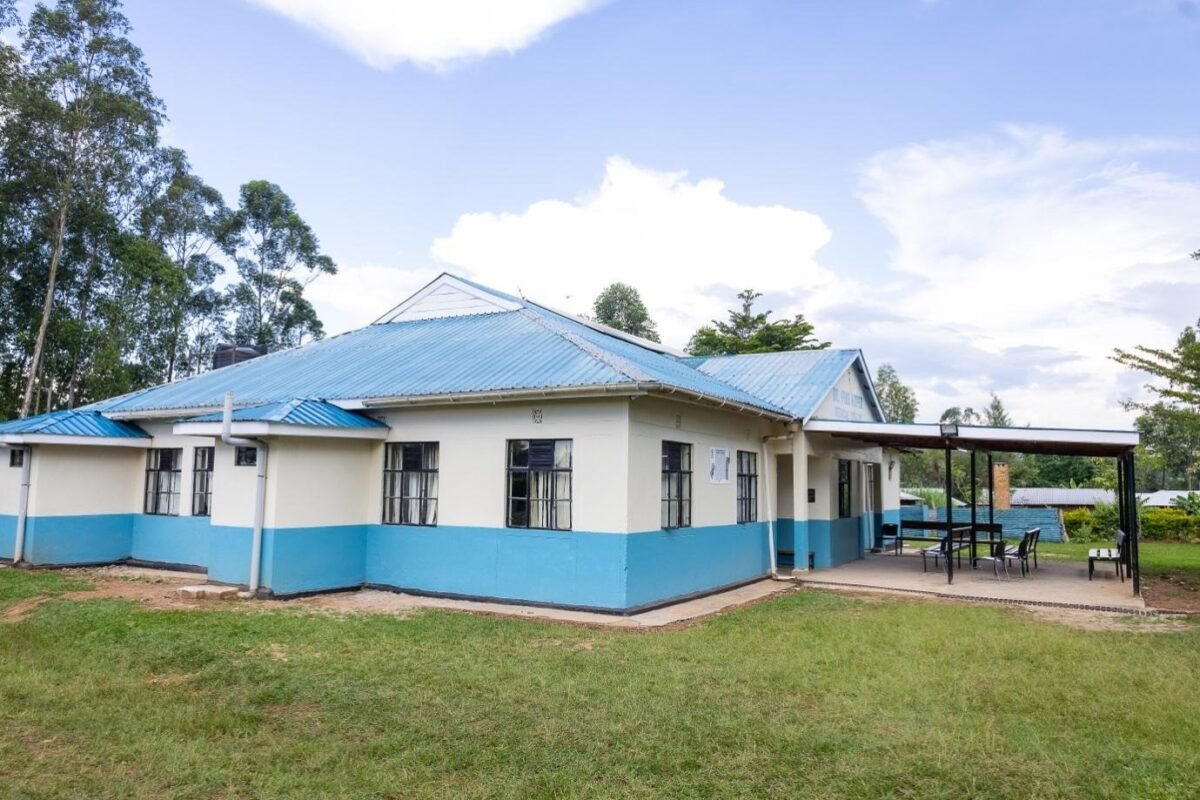
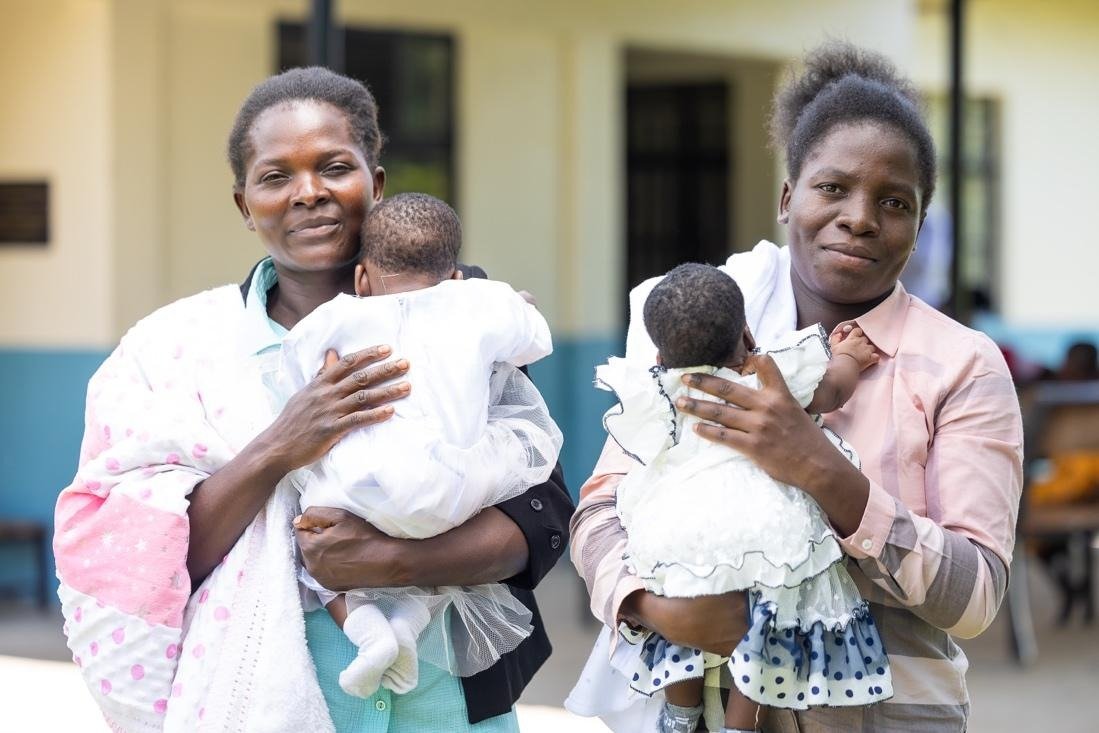
When Susan Okonji holds her three-month-old daughter, Ariel Violet, the moment reflects a journey marked by both loss and survival. Her first pregnancy ended in miscarriage, which she links to delayed access to care, long distances to health facilities, and uncertainty over whether she would be attended to in time. For her second pregnancy, however, her experience changed completely.
“When I was carrying Ariel, I came here early, and I was supported throughout the pregnancy,” she says. “The nurses and doctors kept following up on me, and I felt taken care of from the beginning until I delivered safely.”
A similar experience is shared by first-time mother Emma Sifuna, mother to a five-month-old baby, Marvelous Neema. Sifuna came to the same facility during a pregnancy complicated by an ovarian cyst. The condition required close and continuous monitoring throughout her pregnancy.
“I had ovarian cyst complications. When I came to the facility, the doctors stayed with me throughout. They monitored me closely and made sure I was safe until I delivered my baby,” she says.
Her safe delivery reshaped her confidence in maternal healthcare.
“I would like my daughter to become a nurse one day so she can help other mothers the way I was helped.”
The successful deliveries by Okonji and Sifuna are linked to improved maternal care services now available at the Dr. Pike Roper Medical Centre in Mechimeru, Sango village in Bungoma County. The medical facility offers structured antenatal, delivery, and postnatal support within the community.
The Transition
But a few years ago, such services did not exist, as they were initially limited to learners at ACK Madeleine Community Centre. The health facility functioned as an improvised on-site clinic in a security booth, ensuring learners at the centre could be treated without leaving the school.
Over time, it became clear that the needs extended beyond the school population to families and the surrounding community.
After deliberation within the institution, it was opened up to the general community, and maternal health emerged as one of the most urgent gaps both within the facility and the surrounding area.
A feasibility study conducted in 2019 confirmed the scale of the challenge. Maternal deaths remained high, driven mainly by long distances to care, understaffing, and limited equipment at the nearest government facilities.
Sophie Okeyo, Project Officer at Yatima Outreach, a partner of ACK Madeleine School, says the findings clearly pointed to access as the main barrier.
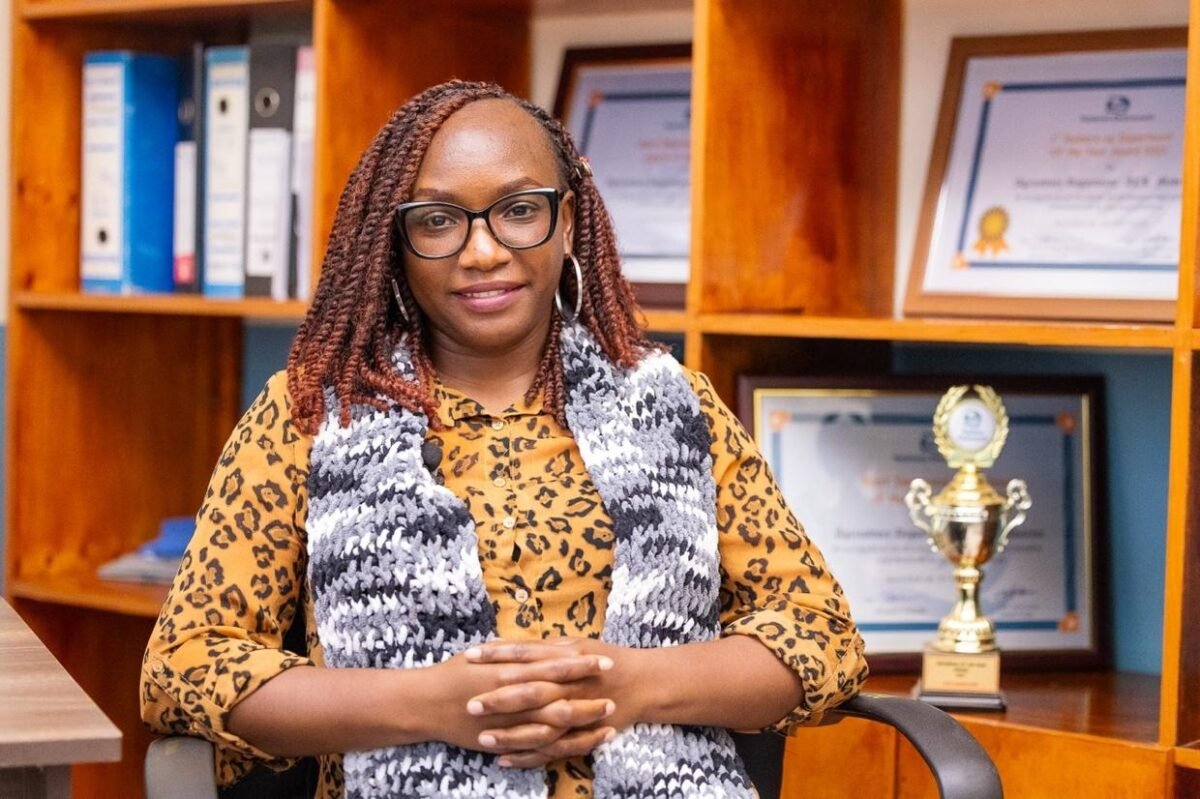
“The study was to understand the health needs of the community,” she explains. “What came out very clearly was the high rate of maternal mortality. Women were losing babies on their way to the only facility in Mechimeru, not because care did not exist, but because they could not reach it in time.”
This gap led to the establishment of a dedicated Maternal and Child Health (MCH) wing, with Yatima Outreach linking the facility to the Kenya Community Development Foundation to support it through the Pamoja for Change (P4C) programme.
What the Support Built
The Pamoja for Change (P4C) programme is a community-driven matching grant initiative by the Kenya Community Development Foundation (KCDF), supported by Wilde Ganzen, a Dutch non-governmental organisation, and other private sector partners.
Under the programme, communities are required to raise 50 per cent of the total project cost, which is then matched by KCDF, reinforcing local ownership, participation, and sustainability.
The model is designed to shift development from external dependency to community-driven action while ensuring accountability and sustainability.
“What makes this model work is that communities have to put in their share. It pushes them to organise, to mobilise, and to see the value of what they already have,” explains Emily Omudho, Team Leader for Programmes at KCDF.
“When they match resources, they don’t just implement a project, they take responsibility for it.”
In 2024, through P4C, Yatima mobilised about KES 1 million through community fundraising, local contributions, and in-kind support, which KCDF matched, bringing the total to approximately KES 2 million.
“We were able to raise our share through different strategies, including fundraising events, engaging partners, and mobilising the community,” Okeyo says.
ACK Diocese of Bungoma was part of the partner engagement that helped with fundraising for the share.
Rev. Chardwick Sirengo, Vicar at ACK Sangalo Parish, notes that the church’s role extended beyond governance to mobilisation and community grounding, especially in the expansion of maternal services.
“The church stepped in through fundraising in the church to help raise our share of the funds and also offered counselling and spiritual support to the school community,” he says.
“Some contributions were not in cash. People brought maize and beans, what they had. We converted that into value through our school feeding programme and directed it toward the fundraising,” adds Okeyo.
The funding supported more than construction. It enabled the procurement of medical and diagnostic equipment, the recruitment of additional staff, the construction of essential infrastructure, such as a placenta pit, and the expansion of services beyond the school to the wider community.
KCDF also strengthened the organisation itself.
“KCDF supported us in capacity building,” Okeyo explains. “For example, training on local fundraising has helped us think about sustainability.”
“We have improved our internal systems, procurement policies, data protection frameworks, and operational structures. These are things we did not have before, but they are critical for growth and compliance.”
Inside the Facility
Inside the maternity wing, the impact is most visible in how care is delivered.
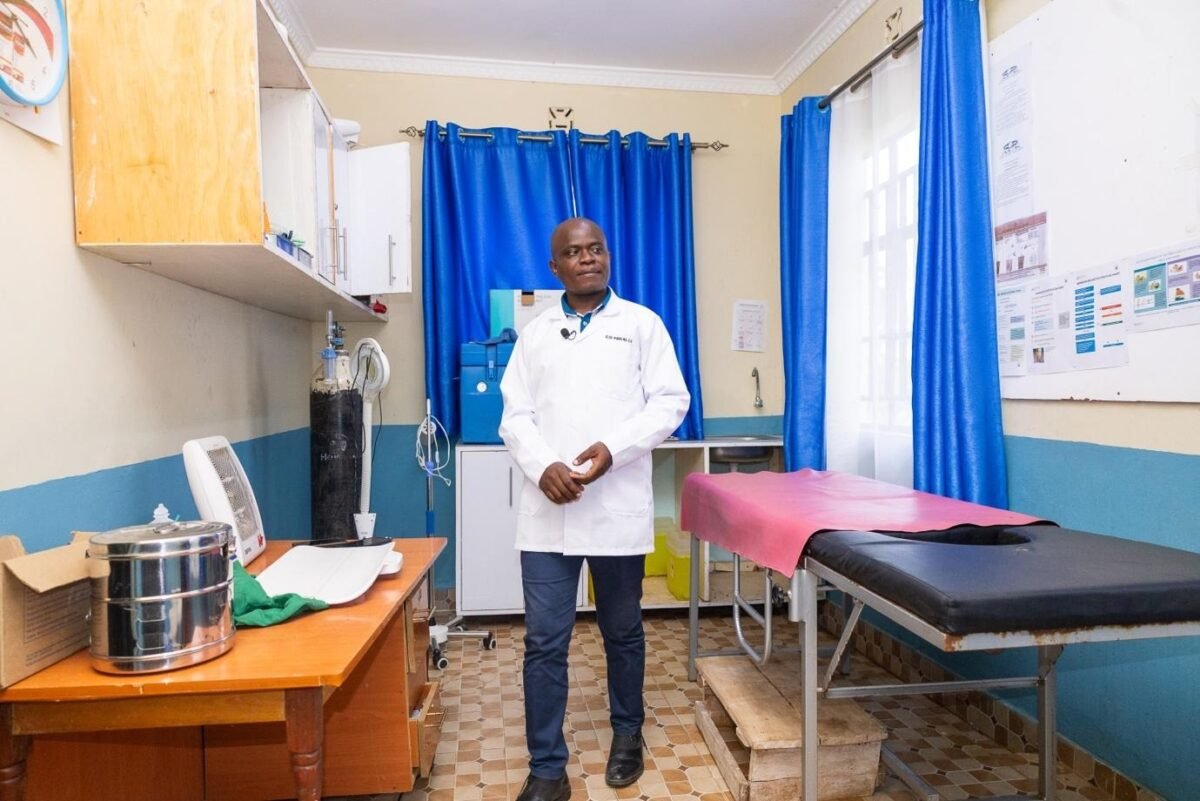
Nurse in Charge Godfrey Simiyu explains that before the expansion, limited equipment meant many decisions were made under uncertainty.
“Before, we did not have enough equipment to properly assess some of the conditions mothers were presenting with, so in many cases we had to refer without fully understanding the problem,” he says.
“Now, with improved equipment and a better setup, we are able to detect complications early and manage many cases here before they become critical.”
He notes that maternal cases often involve both normal and abnormal conditions, including risks such as antepartum and postpartum haemorrhage, which require timely detection and response.
“The ultrasound has really improved how we work because we can now see what is happening and make decisions based on clear findings,” he adds. “It has reduced the number of emergency referrals and improved how we prepare for delivery.”
The numbers reflect that shift. Since the MCH wing was established, the facility has recorded over 129 successful deliveries, with an average of 75 mothers accessing MCH services monthly and between 15 and 17 attending antenatal clinics.
Laboratory Services
Laboratory technologist Felistus Wekesa says the availability of equipment has transformed diagnosis and care.
“In the past, we had to refer most tests to other facilities, which caused delays in diagnosis and treatment,” she says. “Now we can do many of these tests here, which helps us respond faster and manage patients more effectively.”
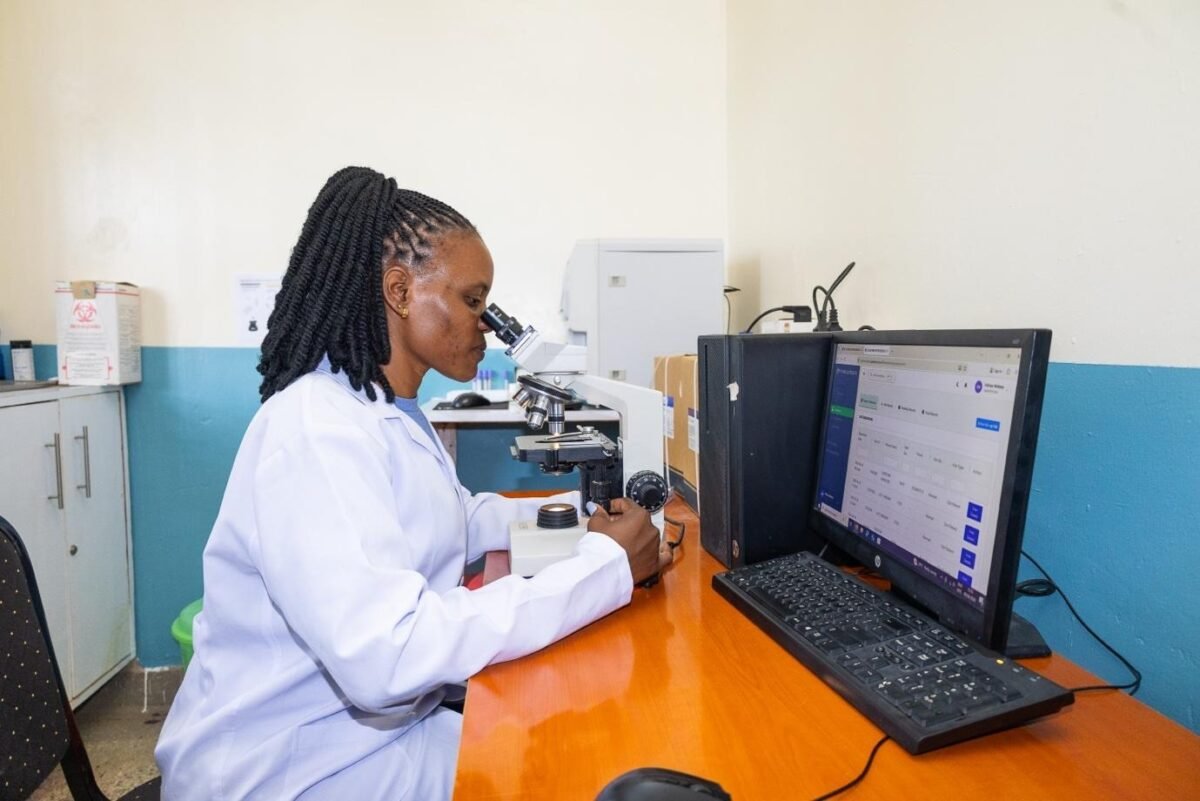
With equipment such as haemoglobin testing machines and blood sugar monitoring systems acquired through KCDF’s support under the P4C programme, the facility can now detect risks like anaemia early.
“These tests are very important because they help us identify complications early and take action before the condition becomes severe.”
Community and Government Perspectives
The impact extends beyond the facility itself.
At the administrative level, Area Village Administrator Benbella Pepela, representing the county government, says the transformation reflects both local effort and sustained partnerships.
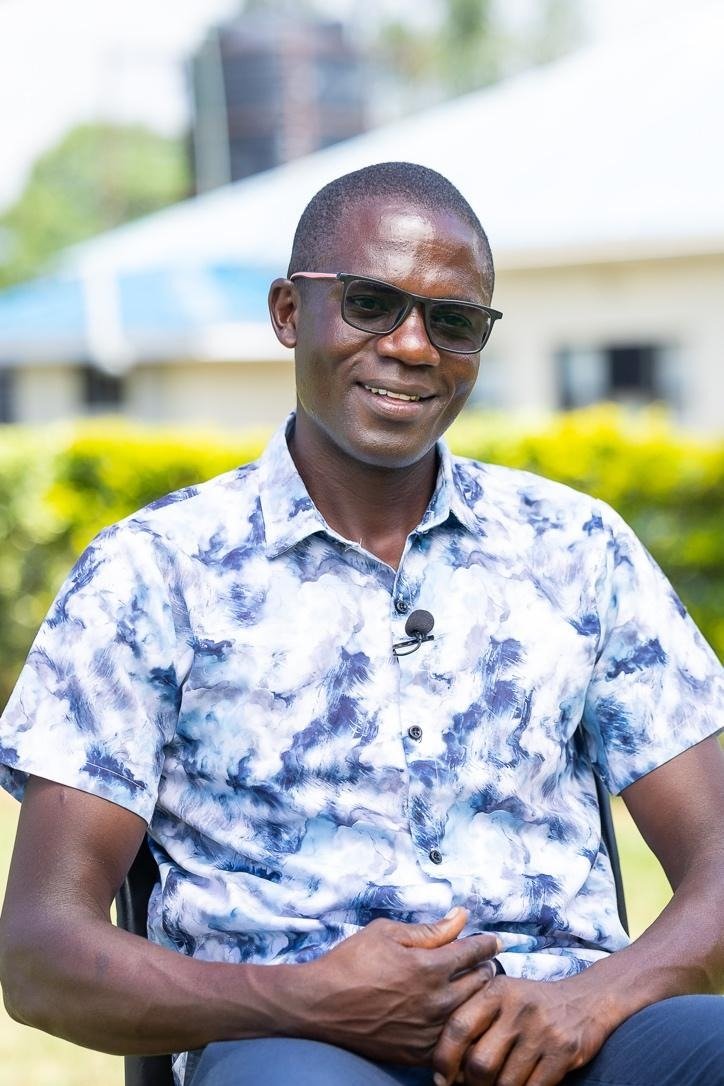
“In the beginning, the facility was very small, just a simple structure serving a limited number of people,” he says. “But over time, with support from partners, it has grown into a much better-equipped centre that is now able to serve more people and handle more cases than before.”
He notes that more cases are now managed locally, reducing pressure on distant facilities.
“We are now seeing more cases being handled here, which has helped ease pressure on referral facilities and reduced delays that used to occur when patients had to travel long distances.”
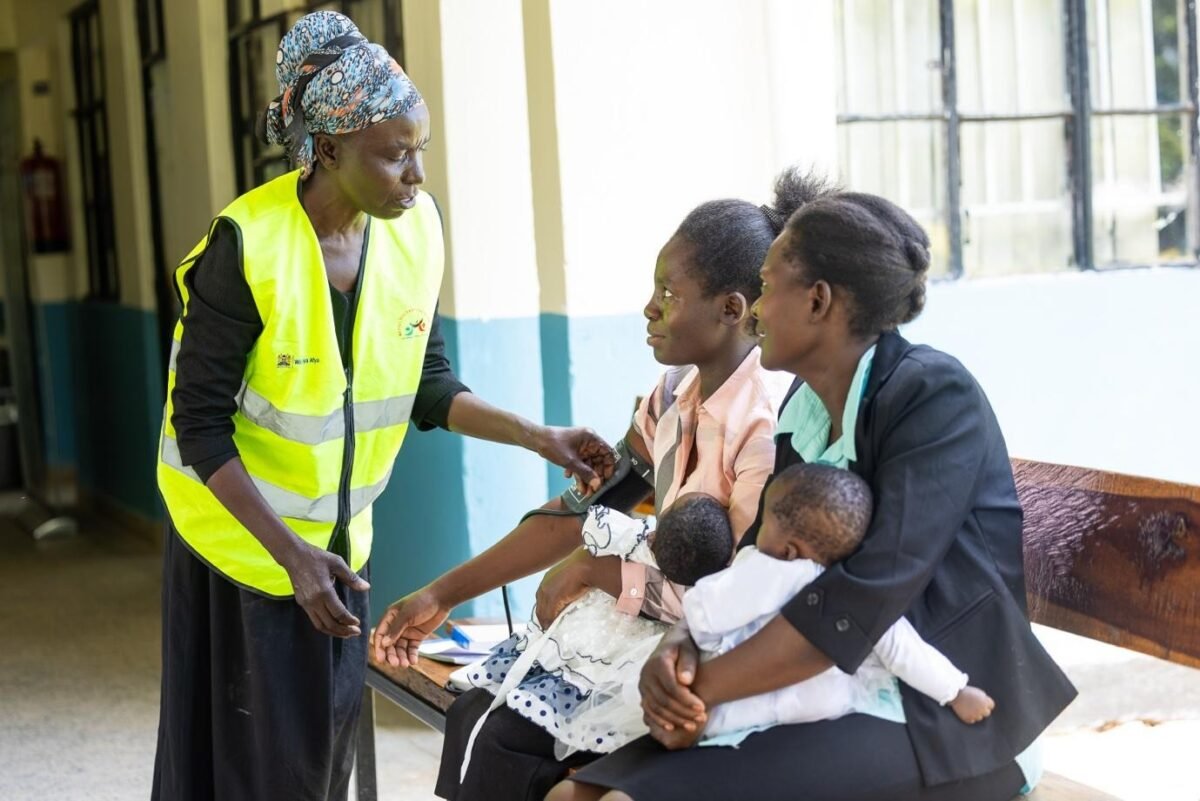
At the community level, Community Health Promoter Pamela Naliaka plays a key role linking households to care. Covering Sango village within a wider network of over 40 villages in Mechimeru, her work involves identifying pregnant women early, conducting household visits, providing health education, and facilitating referrals.
She notes that before the facility expanded, referrals were difficult due to distance and cost. Now, the process is more direct and effective.
“When mothers know there is a facility nearby that can support them throughout the pregnancy, they are more willing to come early and continue with clinic visits,” she says. “That has helped us reduce cases where mothers only seek help when it is too late.”
She notes that she has already referred more than 20 mothers to the facility, many requiring urgent care.
From School to Health Centre
Beyond KCDF’s intervention, the growth of Dr. Pike Roper Medical Centre is rooted in earlier development at ACK Madeleine Community Centre, which began as a school before gradually expanding into a community support centre.
In 2016, management was handed over to the ACK Diocese of Bungoma, opening the way for further partnerships with Yatima Outreach.
Yatima works with community institutions to strengthen what already exists rather than start new projects. Its work focuses on supporting children through education, health, nutrition, and social support, while helping local organisations grow and manage services better.
At ACK Madeleine, this support helped stabilise the school and improve how it operated.
“Yatima came on board and helped structure the school better. Teachers started getting salaries through Yatima Outreach, which helped retain staff and improve operations,” says Christine Makoha.
As the school grew, the need for healthcare also became clear.
“We had a security booth that served as a clinic for learners, which we later opened to the rest of the community, leading to the expansion of the MCH wing,” she explains.
That shift from serving only learners to serving the wider community laid the foundation for the medical centre as it exists today.
Challenges and Expansion
Despite the progress, resources have not kept pace with demand.
“There is still a need for an ambulance and theatre services,” Pepela says. “Right now, some critical cases have to be referred, and that can delay treatment.”
Road access, particularly during rainy seasons, continues to affect timely care.
Staff availability during emergencies also remains a major concern, especially given the distance many health workers travel to reach the facility.
“One of the issues we face is that staff live far from the facility. In emergency cases, that delay in response can be critical, so having staff quarters is something we are also looking into,” says Okeyo.
The facility is also working towards aligning with national health reforms under the Social Health Authority, which sets updated hospital standards, including a minimum requirement of at least 16 inpatient beds for eligible facilities under the revised classification system.
This has pushed the facility to rethink and expand its inpatient capacity.
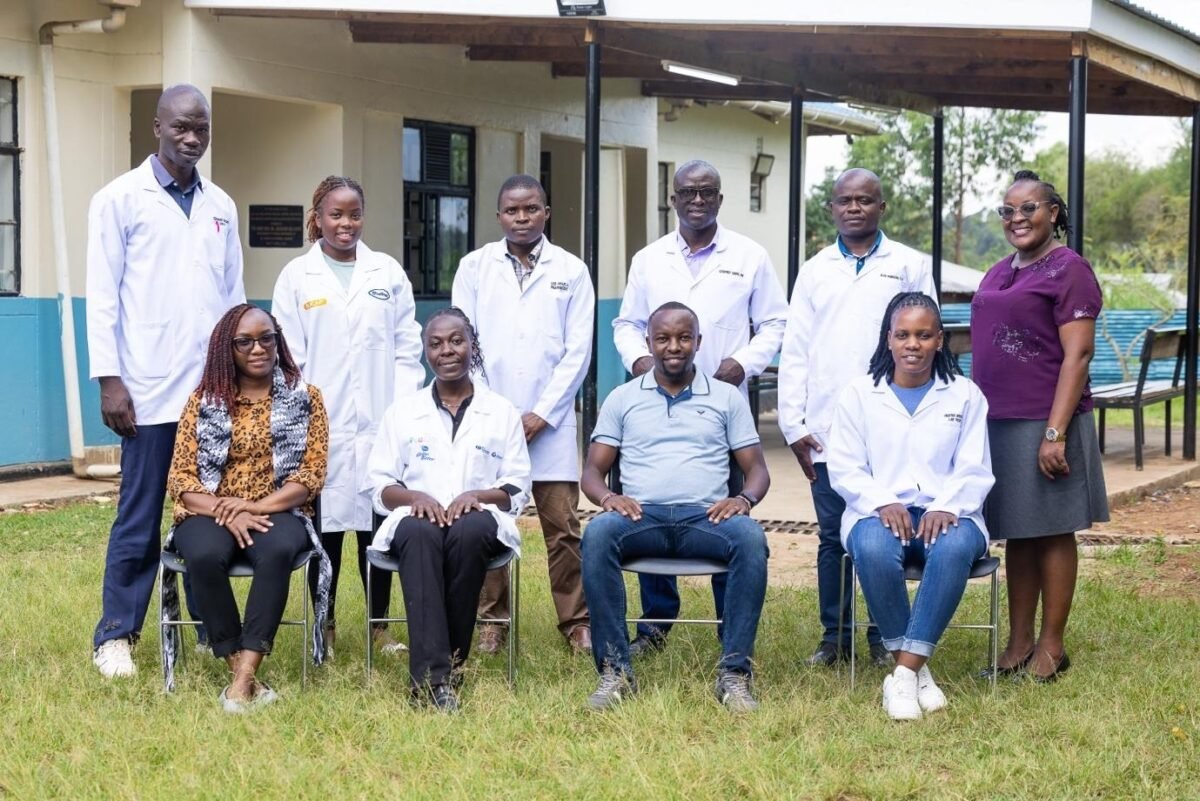
“We need to increase bed capacity. This is important not just for compliance, but also for sustainability, because it allows us to access SHA reimbursement,” she adds.
She notes that before the reforms, the facility received reimbursement, which helped ease the cost burden on patients seeking care and made services more affordable and accessible for the surrounding community.
Growth and What Comes Next
Since 2011, P4C has reached 29 countIes, working with 52 organisations across 82 projects and mobilising about 161 million dollars, half of it raised by communities.
KCDF Programme Director Caesar Ngule says the success of the P4C model rests on trust.
“The biggest lesson I have learnt throughout the implementation of these projects is trust. Sometimes we sign agreements before communities have fully mobilised resources, so you have to trust, believe, and support them, believing they are capable.”
He adds that perception shapes outcomes.
“If you see communities as incapable, you weaken them. But if you begin from a place of trust, they respond positively in how they engage and participate.”
For Okeyo, that impact is already visible in Mechimeru.
“The transformation is not something small,” she says. “It is something the community can see and feel. The number of patients has increased, services have expanded, and outcomes are improving.”
“Through the support from KCDF, we have been able to move from identifying a need to actually responding to it. And that has made a real difference in the lives of families in Mechimeru. We thank KCDF for the support and hope we continue growing together with them,” she concludes.