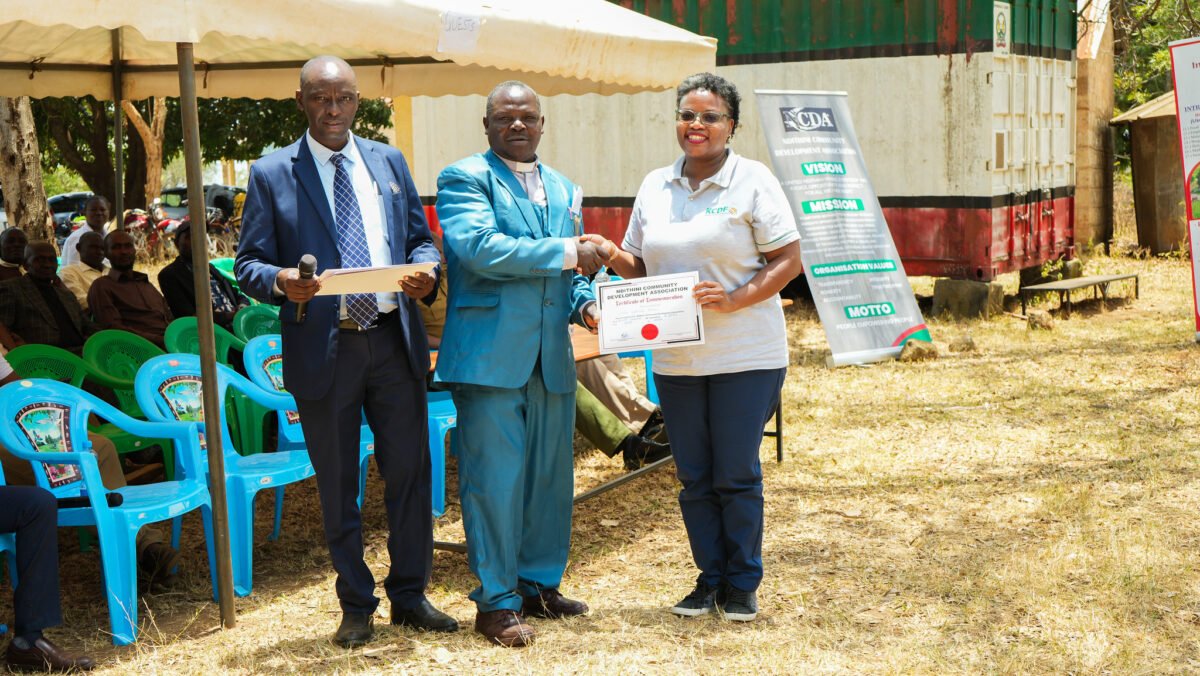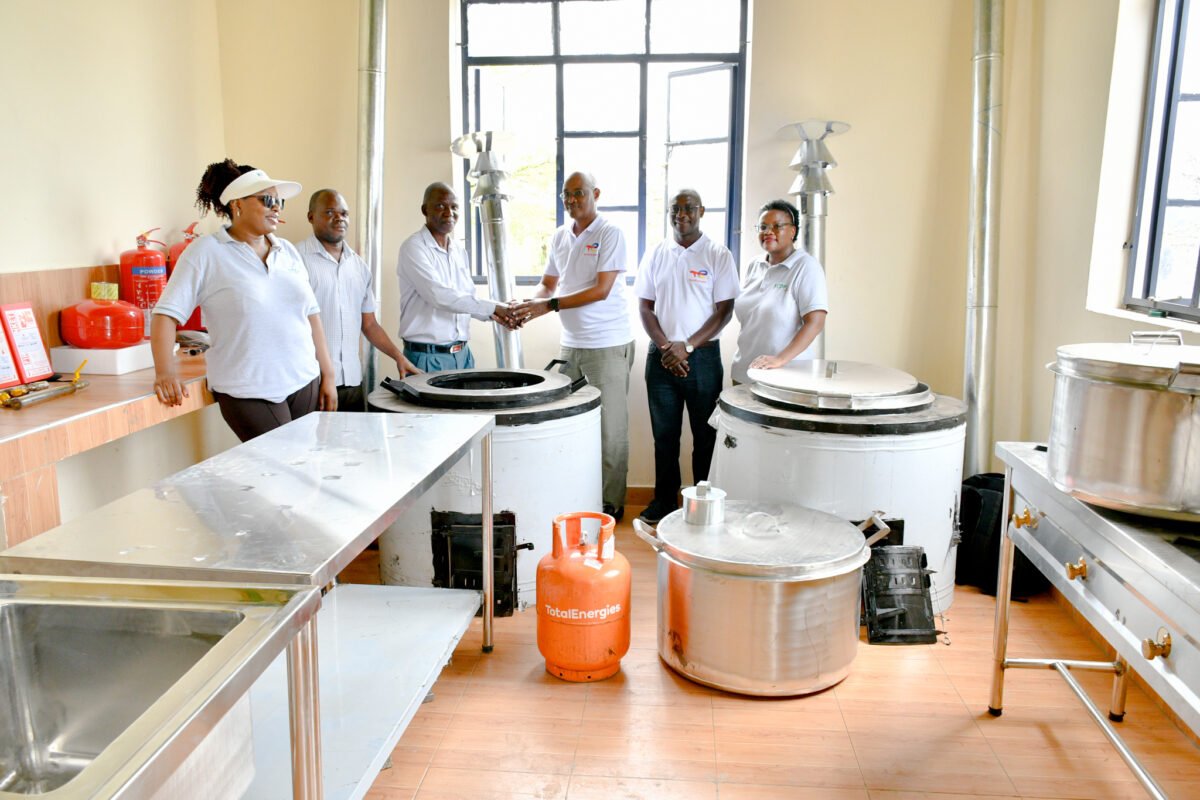





A Well of Learning: A library built by the community, for the community in Zimmerman, Nairobi.
August 18, 2026
Bringing Care Closer: How community investment is reshaping maternal health in Bungoma
August 19, 2026In Siaya County and parts of western Kenya, community savings groups have become deeply embedded in everyday survival and progress. For many caregivers and vulnerable households, these groups are no longer just informal gatherings for small savings.
Over time, what began as simple women’s table banking has evolved into stronger savings and lending systems supported by training, structured financial discipline, and revolving loan funds.
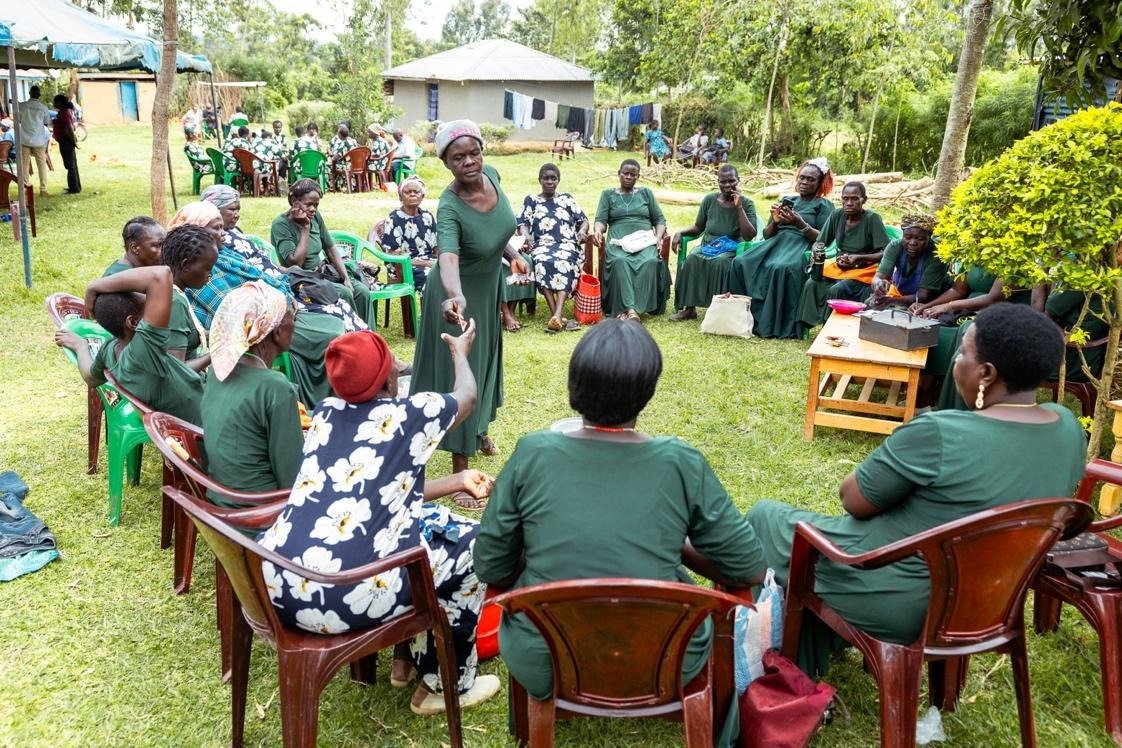
These changes have not only improved access to money but have also shifted how households think about work, income, and long-term stability.
At the centre of this transformation is SCORE (Sustainable Communities Opportunities for Restoration and Empowerment)-Kenya, an organisation working with caregivers of HIV and AIDS orphaned children and vulnerable families to strengthen livelihoods and build resilience through structured community systems.
A development model rooted in community strength
For George Ariya, Executive Director of SCORE-Kenya, the foundation of the organisation’s approach is a belief that even in difficult conditions, communities already carry resources that can be strengthened.
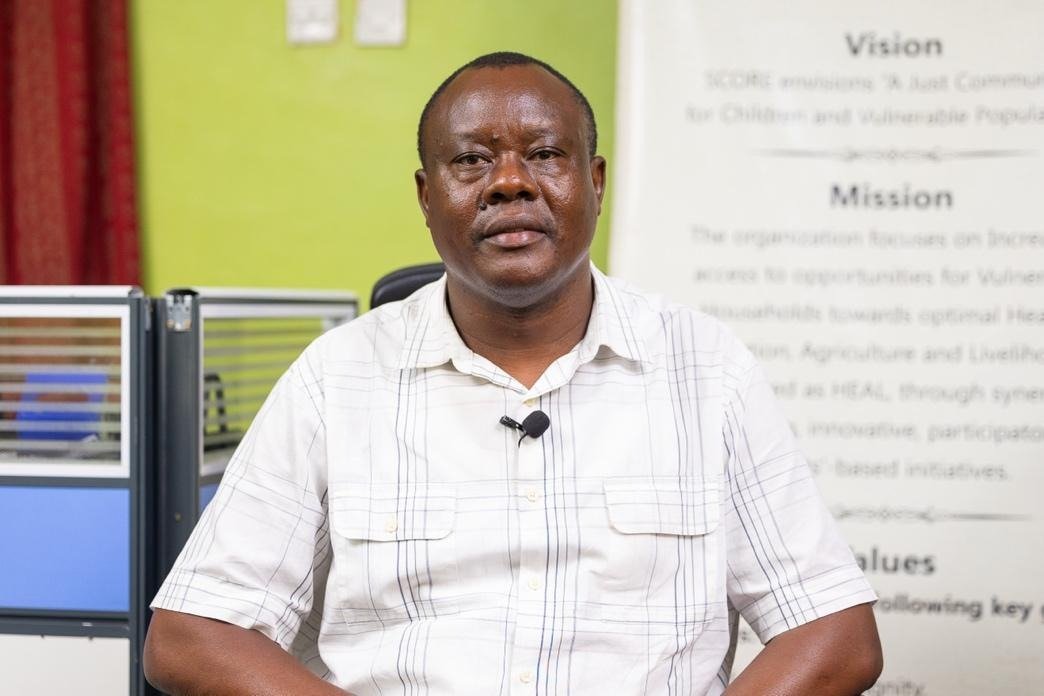
“As much as people may be poor, dejected, and deprived, there is still something good that you find in them,” he explains.
“We looked at families affected by HIV and AIDS and asked, what strengths do they already have? How can we use those resources to support them to live more self-reliant lives?”
Founded in 2006, SCORE-Kenya works through four key pillars: health, education, agriculture, and livelihoods. The goal is to ensure that children are supported not only through immediate care but through systems that allow households to sustain themselves.
“Our vision is a just society for children,” Ariya says. “If families can access health and education, and also improve agriculture and livelihoods, then they are able to support their children in a sustainable way.”
This framework later became central to SCORE-Kenya’s partnership with KCDF through the Pamoja for Change (P4C) programme. Under the programme’s shilling-for-a-shilling model, communities raise 50 per cent of project costs, which KCDF then matches through the grant.
“A shilling-for-a-shilling programme requires that communities raise their own contribution of 50 per cent of the whole budget,” says Emily Omudho, KCDF’s Programmes team lead.
“What we do is train them on local fundraising so they can mobilise resources from within their own context.”

She says the model is designed to shift organisations from dependence on outside donors towards building support from their own communities, networks, and local systems.
For Ariya, the idea initially appeared unrealistic.
“We were used to donor funding where money simply came to the organisation,” he recalls. “Being told communities had to raise part of the money themselves sounded almost impossible because these were vulnerable households already struggling financially.”
However, discussions with community groups changed SCORE-Kenya’s perspective.
Under the first SHAPE phase in 2022, the project operated under a KSh 2 million co-financing structure. KCDF provided KSh 1 million, while SCORE-Kenya and participating communities matched this with KSh 500,000 in cash and about KSh 500,000 in-kind support.
Cash contributions came from group savings and support from SCORE-Kenya’s board, while in-kind support included volunteer leadership roles, mobilisation, meeting coordination, transport support, and participation in trainings.
From six groups to seventy-one
The first SHAPE phase began with six groups and focused on boosting SILC loan kitties, agriculture, productive assets, business support, and training. Because the funds were structured as revolving support, repaid loans created a growing pool that could support additional groups.
“After six months, we had accumulated some money which they had returned, and we were able to bring on board more groups,” Ariya says.
The second phase expanded to 26 groups, while the third phase later reached 71 groups. Some earlier groups also returned seeking larger loans after their businesses grew.
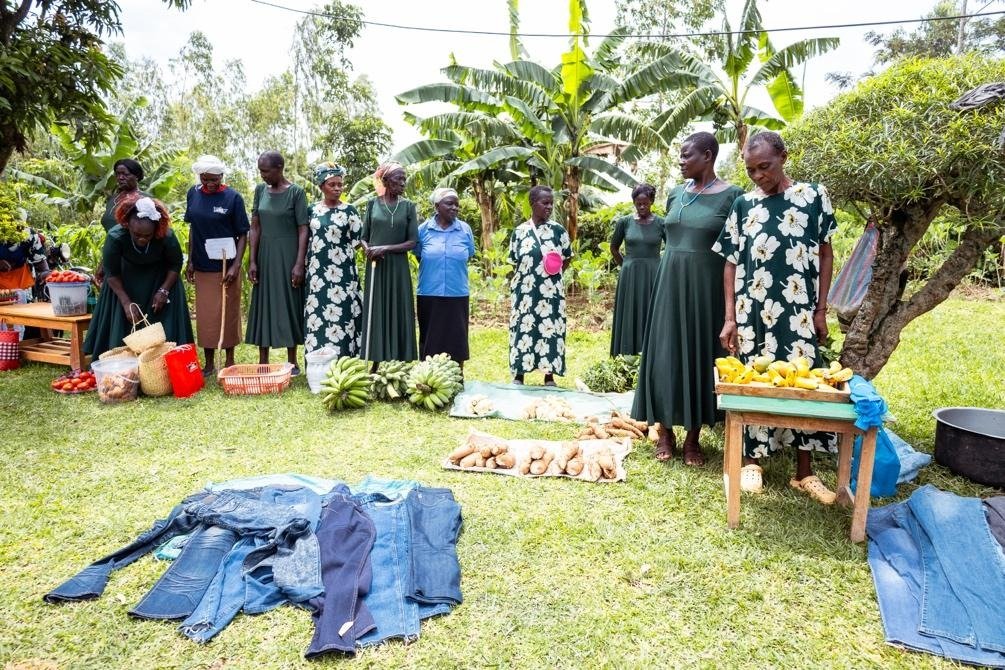
“Some wanted KSh 100,000 and others KSh 200,000 because they had outgrown the first level of support,” Ariya says.
The programme gradually evolved beyond lending into a broader household-strengthening model centred on agriculture, nutrition, financial literacy, and long-term resilience.
By the third phase, SCORE-Kenya had narrowed the interventions into two major areas: loan kitty boosts and agriculture. The agricultural component focused on nutrition-sensitive farming and regenerative agriculture aimed at improving food security while protecting soil fertility through compost manure and sustainable farming methods.
According to Ariya, the expansion of groups also translated into more households and children receiving support through school fees, vocational training, apprenticeships, and livelihood opportunities.
Household transformation
One of the beneficiaries is Florence Achieng, a member of Nyaolo Widows SILC Group, whose journey reflects how savings groups evolved from simple contributions into practical tools for economic survival.
Achieng says the group trained members on savings, table banking, modern farming, and loan management.
She first borrowed KSh 5,000 and used it to begin small-scale vegetable farming and basketry.
“I started with kale seedlings, vegetable farming and basketry,” she says. “The profit helped me pay school fees, support my household and save some money for growth.”
She later borrowed KSh 25,000 and invested in poultry farming, buying chickens which she later sold for profit. The income allowed her to continue expanding the business while also improving conditions at home.
“I had a problem with my toilet before, but through the profits I managed to build one,” Achieng explains. “Before, whatever little money came from the market only went to household expenses and nothing remained, but now it is different.”
Beyond income generation, Achieng says kitchen gardening also improved nutrition in her household after members were trained on the health benefits of traditional vegetables.
“We learnt that we should not stay idle but become independent,” she says. “The vegetables have helped with nutrition at home and I also sell some for income.”
She now hopes to construct a proper chicken house to improve poultry production further.
Another beneficiary, Lydia Otieno, a member of Rambula SILC Group, says joining the savings group completely changed her understanding of financial discipline and business growth.
“When we were saving on our own, the loans were very small,” Otieno explains. “SCORE later boosted the loan kitty and we could borrow larger amounts that could actually grow businesses.”
Otieno borrowed KSh 10,000 and invested it in expanding her small business in Usugu by increasing stock for customers. The business later enabled her to employ two people while training three others.
“Before this, I worked in a salon where sometimes I was not even paid,” she recalls. “Now I run my own business, support my family, employ others and plan for the future.”
She estimates earning nearly KSh 10,000 monthly, with part of the income reinvested back into savings and business expansion.
Through the profits, she has improved her housing situation, acquired land, and supported a sibling now attending university.
What stood out for her most was that SCORE prioritised training before lending.
“They first teach you how to use loans responsibly,” Otieno says.
“When you finally receive the money, you already know how to manage it properly and keep records.”
Skilling communities
Frederick Nyadeo, a SCORE-Kenya’s service provider, says the process involves continuous mentorship and community mobilisation rather than simply issuing loans.
Nyadeo works with groups across Sidindi and Sigomre wards, supporting more than 1,200 caregivers and vulnerable children through financial literacy, SILC training, regenerative agriculture, and smart kitchen gardening.
“The first challenge is always convincing people to save their own money,” Nyadeo explains. “Many communities initially expect organisations to simply give donations.”
Over time, however, members begin understanding the value of saving, loan repayment, and structured group systems.
He says smart kitchen gardening has become especially important because it protects crops from pests and improves household nutrition.
“Nowadays almost every member has a kitchen garden,” Nyadeo says. “Many no longer go to the market to buy vegetables because they grow their own and even sell the surplus.”
He adds that the groups have also strengthened confidence and self-reliance among caregivers, many of whom previously depended entirely on unstable support systems.
“The way they were before is not the way they are now,” he says. “Most now have businesses, they save money, and many are supporting themselves independently.”
Long-term progress beyond loans
While access to loans became important, SCORE-Kenya officials say the programme’s wider impact came from continuous training and social support systems built around the groups.
Joseph Agunda, SCORE-Kenya Program Manager, says many caregivers initially lacked confidence even in handling money.
“When we started working with the caregivers, many did not even have the appetite for money or business,” Agunda explains. “Today, many of them actively seek opportunities, save consistently, repay loans, and reinvest profits into businesses.”
The programme also introduced training on compost manure and regenerative agriculture aimed at improving food security while protecting soil fertility. He believes one of the biggest achievements has been changing how caregivers see themselves.
“Some of these women had almost given up,” he says. “But through the groups they realised they were not alone. The social interaction and sharing became just as important as the money itself.”
He adds that 1,458 caregivers have been able to pay school fees or school levies through business income, while 274 new businesses have been started through the loan kitty boost.
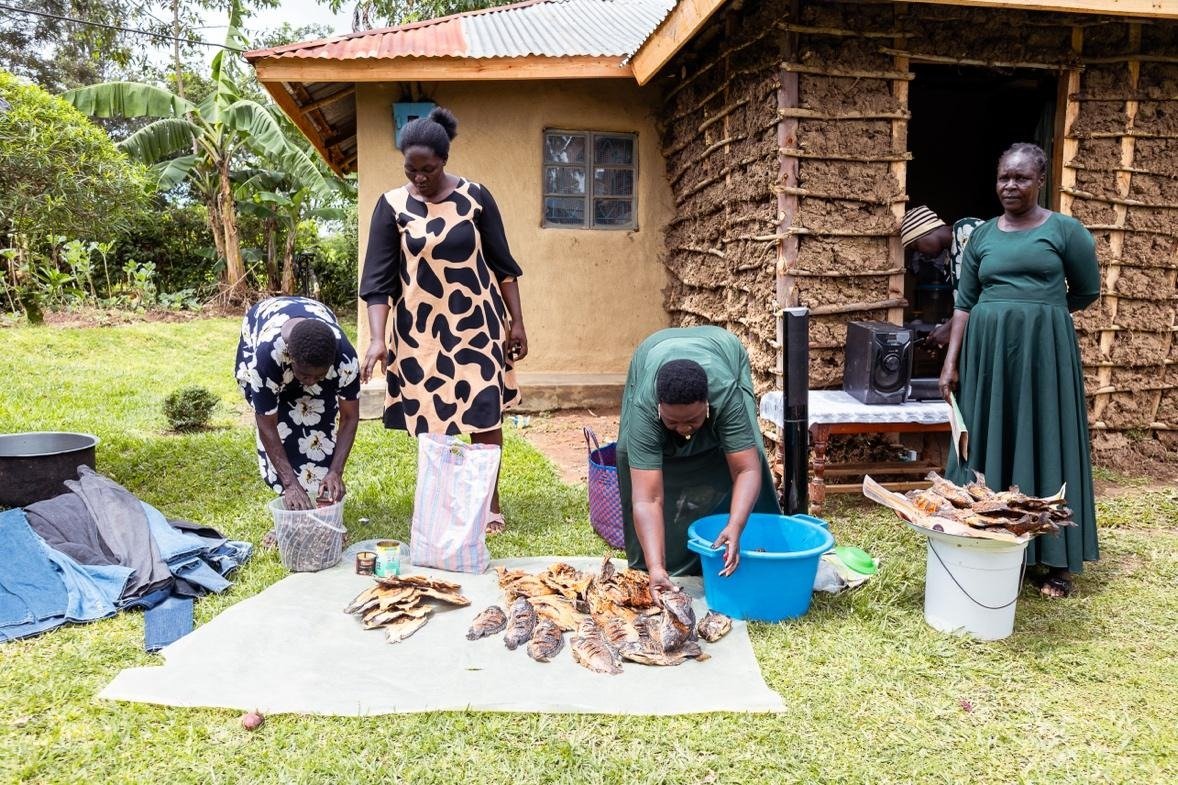
“Businesses that previously made around KSh 300 a day are now generating KSh 500 or KSh 600 daily,” he says. “That difference may appear small, but at household level it changes livelihoods.”
The groups are also retaining capital for future lending instead of sharing out all savings at the end of each cycle.
“As we speak, there is KSh 1.8 million among the 71 groups that is not being shared,” he says.
Some members are now exploring the possibility of forming a SACCO, showing growing confidence and long-term ambition.
Looking to the future
Despite the progress, challenges remain, particularly around loan repayment and slow learning processes among some members.
“You cannot rush people,” Nyadeo says. “Learning happens gradually and communities need constant follow-up and refresher training.”
Still, both SCORE-Kenya and KCDF believe the model has demonstrated strong long-term potential because communities themselves have taken ownership of the process.
Caesar Ngule, KCDF Programmes Director, says one of the biggest lessons KCDF has learnt through community-centred programmes is that sustainable development becomes possible when communities stop seeing themselves as passive beneficiaries.
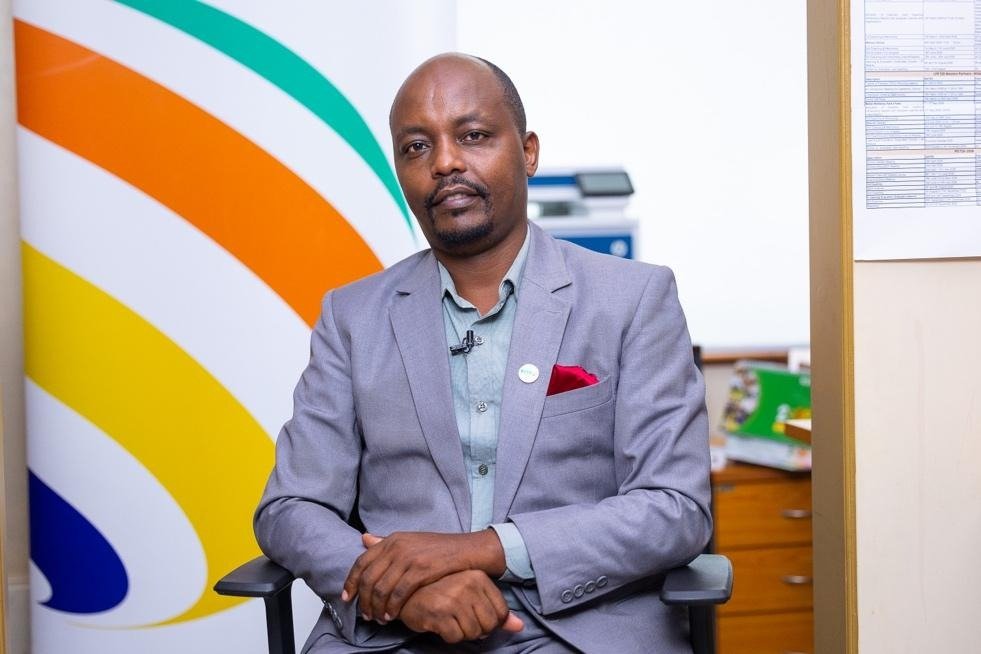
“When communities participate beyond leadership structures, there is ownership and accountability,” Ngule says.
“That participation also brings dignity, because nobody wants to be seen as helpless. There is pride when communities say we contributed and we built this together.”
For Ariya, one of the biggest lessons from the KCDF partnership has been the value of organised groups as a path to stronger households and better support for children.
“We moved from a family-centred approach to a group-centred approach, and we have seen it working,” he says.
What began as a matching grant partnership has grown into stronger savings groups, better incomes, improved nutrition, and more families able to support their children.